How VR Can Revolutionize Your Business 2025
Author
Elisha Roodt
Date Published

Discover how virtual reality is revolutionizing industries and propelling businesses into the future.
In the rapidly evolving landscape of 2025, businesses are continually seeking innovative ways to gain a competitive edge. Virtual Reality (VR) has emerged as a transformative technology, offering immersive experiences that transcend traditional business practices. Imagine walking through a virtual storefront from the comfort of your office or conducting training sessions in lifelike simulations. VR is not just a futuristic concept; it's a present-day catalyst driving efficiency, engagement, and growth across various sectors. This integration of VR into business operations is akin to the advent of the internet, reshaping how companies interact with customers, train employees, and develop products. As we delve into the multifaceted benefits and use cases of VR, it becomes evident that embracing this technology is not merely an option but a strategic imperative for businesses aiming to thrive in the digital age.
Enhanced Customer Experience
Immersive Product Demonstrations
Virtual Reality transforms product demonstrations from static displays into dynamic, interactive experiences. Instead of relying on brochures or 2D images, businesses can showcase their offerings in a 3D environment where customers can explore every feature. For instance, a furniture retailer can create a virtual showroom where customers can visualize how a sofa fits into their living space, adjusting colors and configurations in real-time. This level of interactivity not only enhances understanding but also fosters a deeper emotional connection with the product.
Immersive product demonstrations can bridge the gap between online and offline shopping experiences. By allowing customers to interact with products virtually, businesses can replicate the tactile satisfaction of physical stores, reducing hesitation and boosting confidence in purchase decisions. This technology-driven approach caters to the modern consumer's demand for personalized and engaging experiences, ultimately driving higher conversion rates and customer loyalty.
Virtual Showrooms and Stores
The concept of virtual showrooms revolutionizes the traditional retail model by eliminating geographical constraints and expanding market reach. Businesses can create expansive, customizable virtual spaces that mirror their brand identity, offering a unique and consistent experience to customers worldwide. For example, an automotive company can design a virtual showroom where potential buyers can explore different car models, customize features, and even take virtual test drives without leaving their homes.
Virtual stores also provide valuable insights into customer behavior and preferences. By tracking interactions within the virtual environment, businesses can gather data on which products attract the most attention, preferred configurations, and navigation patterns. This information can inform inventory decisions, marketing strategies, and personalized recommendations, enhancing the overall shopping experience and operational efficiency.
Personalized Shopping Experiences
Personalization is a cornerstone of modern business success, and VR takes it to the next level by tailoring experiences to individual preferences. Utilizing data analytics and machine learning, virtual reality environments can adapt in real-time to cater to each customer's unique tastes and needs. For instance, a fashion retailer can create a virtual fitting room where customers receive personalized style suggestions based on their previous choices and body measurements, enhancing satisfaction and reducing return rates.
Personalized VR experiences can extend beyond product customization to include tailored content and interactions. Businesses can create immersive narratives that resonate with specific customer segments, fostering a deeper connection and brand loyalty. By leveraging VR's capabilities to deliver bespoke experiences, companies can differentiate themselves in a crowded market and build long-lasting relationships with their clientele.

Streamlined Training and Development
Simulated Training Environments
Virtual Reality offers unparalleled opportunities for creating realistic training simulations that enhance learning outcomes and reduce risks. Industries such as healthcare, aviation, and manufacturing can utilize VR to replicate complex scenarios in a controlled, virtual setting. For example, medical professionals can practice surgical procedures in a virtual operating room, allowing them to refine their skills without the consequences of real-life errors.
Simulated training environments also enable businesses to standardize training programs, ensuring consistency and quality across all training sessions. Trainees can engage with interactive modules that adapt to their skill levels, providing immediate feedback and fostering continuous improvement. This approach not only accelerates the learning curve but also increases retention rates, leading to a more competent and confident workforce.
Remote Collaboration and Learning
In an era where remote work has become the norm, Virtual Reality bridges the gap between physical and virtual collaboration. VR platforms can host virtual meetings, conferences, and workshops that simulate in-person interactions, enhancing communication and teamwork among geographically dispersed teams. Employees can collaborate in a shared virtual space, using avatars and interactive tools to brainstorm ideas, share documents, and visualize projects in 3D.
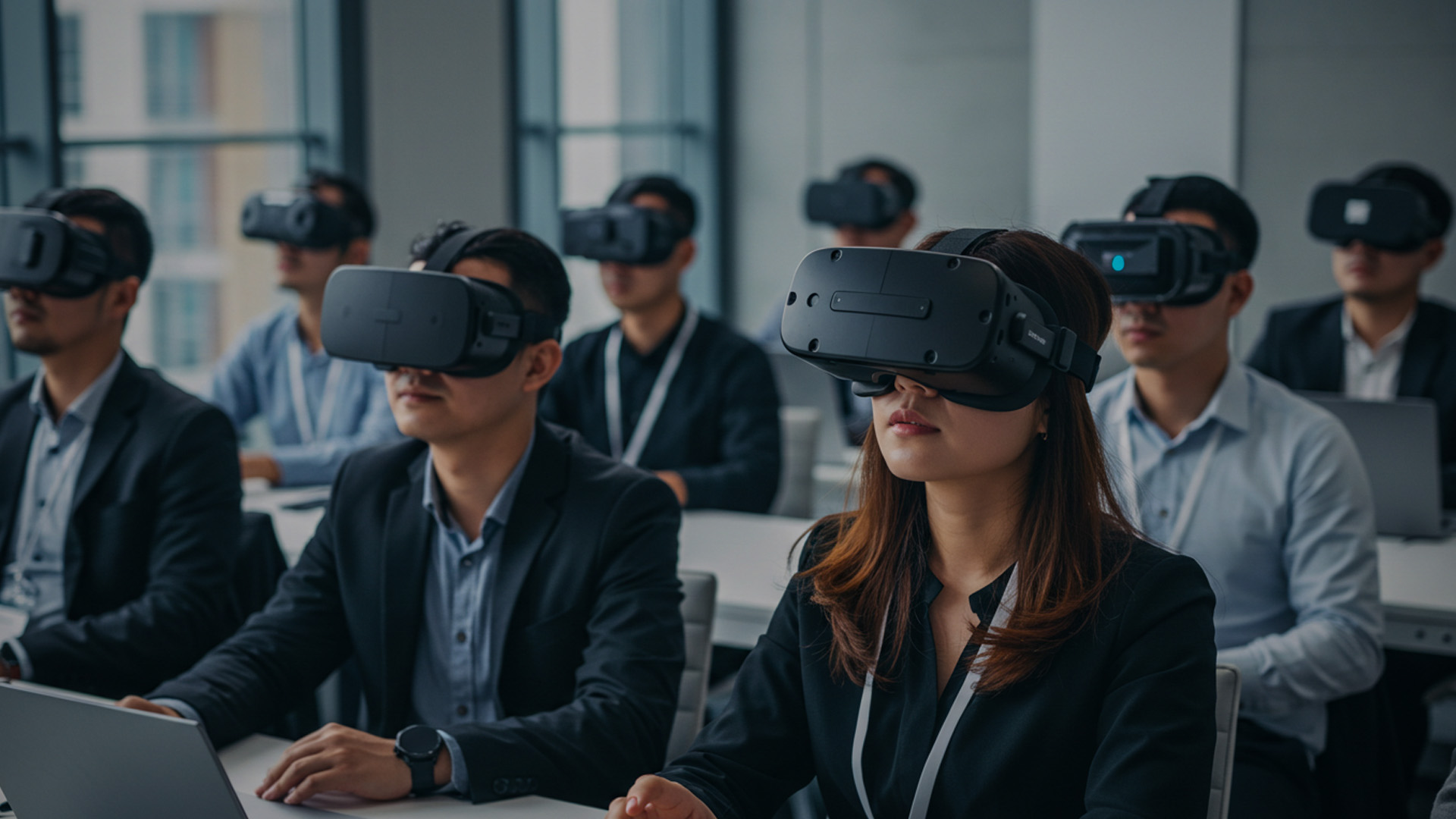
Additionally, VR facilitates remote learning by providing immersive educational experiences that are more engaging than traditional video-based training. Interactive virtual classrooms can host live lectures, interactive discussions, and hands-on practice sessions, catering to diverse learning styles and improving knowledge retention. By leveraging VR for remote collaboration and learning, businesses can maintain productivity and foster a culture of continuous development, regardless of physical location.
Skill Enhancement through Gamification
Gamification in Virtual Reality transforms mundane training programs into engaging, game-like experiences that motivate employees to develop new skills. By incorporating elements such as challenges, rewards, and progress tracking, VR-based training can make learning more enjoyable and effective. For instance, a logistics company can create a virtual warehouse where employees complete tasks under time constraints, earning points and unlocking levels as they improve their efficiency and accuracy.
This approach not only enhances skill acquisition but also promotes healthy competition and teamwork among employees. Gamified VR training programs can cater to various skill levels, allowing individuals to progress at their own pace while still striving to achieve collective goals. The immersive and interactive nature of VR makes skill enhancement a more dynamic and impactful process, leading to a more capable and motivated workforce.
Innovative Marketing Strategies
Interactive Advertising Campaigns
Virtual Reality enables businesses to create interactive advertising campaigns that captivate audiences and leave a lasting impression. Unlike traditional ads, VR campaigns immerse users in a branded experience, allowing them to engage with the content in a meaningful way. For example, a travel agency can design a virtual tour of exotic destinations, enabling potential customers to explore locations and activities before booking their trips.
Interactive VR advertisements can also collect valuable data on user engagement and preferences, providing insights that can refine marketing strategies and personalize future campaigns. By offering an engaging and memorable experience, VR advertising can significantly enhance brand awareness and affinity, driving higher engagement rates and ultimately increasing sales.
Virtual Events and Trade Shows
Hosting virtual events and trade shows in VR offers businesses a cost-effective and accessible alternative to traditional in-person gatherings. Virtual venues can accommodate a larger audience from around the globe, eliminating the need for travel and reducing logistical complexities. Exhibitors can showcase their products and services in interactive booths, while attendees can network, attend presentations, and participate in workshops from the comfort of their homes or offices.
Virtual events also provide enhanced analytics and real-time feedback, allowing organizers to measure engagement levels, track attendee behavior, and gather actionable insights. This data-driven approach enables continuous improvement of event formats and content, ensuring that future virtual events are even more impactful and aligned with audience preferences. By leveraging VR for events and trade shows, businesses can expand their reach, increase participation, and achieve greater return on investment.
Storytelling through Virtual Worlds
Storytelling is a powerful tool for building emotional connections and conveying complex messages, and Virtual Reality elevates this art by placing users at the center of the narrative. Businesses can create immersive virtual worlds where customers can experience their brand story firsthand, making the message more relatable and memorable. For instance, a sustainability-focused company can develop a virtual journey that illustrates the impact of their eco-friendly products on the environment, fostering a deeper understanding and commitment to their mission.
Virtual storytelling also allows for greater creativity and innovation, as businesses can craft unique and interactive narratives that differentiate them from competitors. By engaging customers in a compelling story, companies can enhance brand perception, drive emotional engagement, and inspire action, ultimately strengthening their market position and fostering long-term loyalty.

Operational Efficiency and Design
Virtual Prototyping and Design
Virtual Reality revolutionizes the product development process by enabling virtual prototyping and design, significantly reducing time and costs associated with physical prototypes. Designers and engineers can create and test 3D models in a virtual environment, allowing for rapid iteration and real-time modifications based on feedback. This streamlined approach not only accelerates the development cycle but also enhances the precision and functionality of the final product.
Virtual prototyping facilitates better collaboration among cross-functional teams by providing a shared, immersive platform for reviewing and refining designs. Stakeholders can visualize concepts from different perspectives, identify potential issues early in the development process, and make informed decisions that enhance product quality and market readiness. By integrating VR into the prototyping and design phases, businesses can foster innovation, improve efficiency, and bring superior products to market faster.
Remote Maintenance and Support
Virtual Reality transforms remote maintenance and support by providing technicians with immersive tools and real-time guidance, regardless of their physical location. Using VR headsets, technicians can visualize complex machinery and receive step-by-step instructions overlaid onto their field of view, enhancing their ability to perform repairs and maintenance tasks accurately and efficiently. This reduces downtime, minimizes errors, and extends the lifespan of equipment.
Additionally, VR facilitates remote collaboration between technicians and experts, enabling seamless knowledge transfer and problem-solving. Experts can virtually join the technician's workspace, offering real-time assistance and sharing insights that might otherwise require on-site presence. This collaborative approach not only enhances the quality of maintenance and support but also reduces travel costs and response times, leading to more efficient operations and improved customer satisfaction.
Data Visualization and Decision Making
In the age of big data, Virtual Reality offers a sophisticated solution for data visualization, enabling businesses to interpret complex information in an intuitive and interactive manner. VR environments can transform raw data into immersive 3D models, allowing decision-makers to explore trends, patterns, and correlations from multiple angles. For instance, financial analysts can visualize market data in a virtual space, identifying key insights that inform strategic investments and risk management.
Enhanced data visualization through VR also promotes more informed and collaborative decision-making processes. Teams can gather in a shared virtual environment to discuss and analyze data collectively, leveraging the spatial and interactive capabilities of VR to foster deeper understanding and consensus. By integrating VR into their data analysis workflows, businesses can enhance their analytical capabilities, make more accurate predictions, and drive smarter, data-driven decisions that propel their growth and success.
Employee Engagement and Well-being
Virtual Team Building Activities
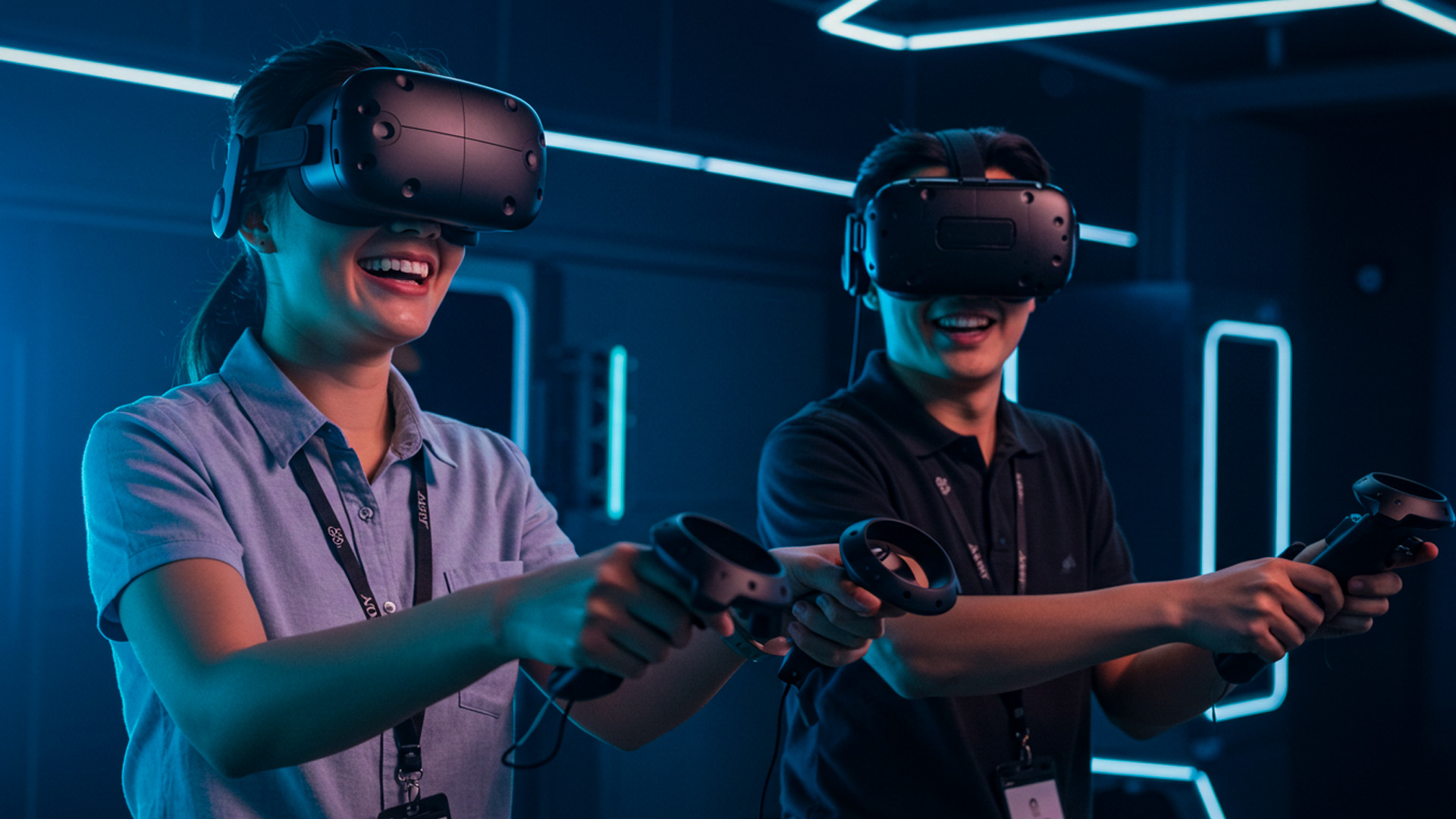
Maintaining strong team dynamics is crucial for business success, especially in remote or hybrid work environments. Virtual Reality offers innovative team-building activities that foster collaboration, trust, and camaraderie among employees. Through immersive VR experiences, team members can engage in virtual escape rooms, collaborative games, or simulated projects that require coordinated effort and communication, strengthening their relationships and enhancing teamwork skills.
These virtual team-building activities also provide a refreshing break from routine work, boosting morale and reducing feelings of isolation among remote employees. By offering engaging and interactive experiences, businesses can cultivate a positive work culture, improve employee satisfaction, and enhance overall productivity. Virtual team building through VR not only strengthens interpersonal connections but also aligns team members towards common goals, driving collective success.
Wellness and Stress Reduction Programs
Employee well-being is increasingly recognized as a critical factor in organizational performance, and Virtual Reality offers effective tools for promoting wellness and reducing stress. VR-based wellness programs can include guided meditation sessions, virtual nature walks, and immersive relaxation experiences that help employees unwind and recharge. These programs provide a convenient and accessible way for employees to manage stress, improve mental health, and maintain work-life balance.
VR can be used to deliver personalized wellness plans tailored to individual needs and preferences. By tracking user interactions and responses, VR platforms can adapt and recommend activities that best support each employee's well-being journey. Integrating VR into wellness initiatives demonstrates a company's commitment to its employees' health, fostering a supportive and resilient workforce that is better equipped to handle the demands of the modern workplace.
Enhanced Remote Work Experiences
As remote work continues to be a significant aspect of the business landscape, Virtual Reality enhances the remote work experience by creating virtual office environments that mimic the dynamics of physical workplaces. VR can provide virtual workspaces where employees can interact, collaborate, and communicate as if they were in the same room, reducing feelings of disconnection and fostering a sense of community. Features such as virtual whiteboards, shared project spaces, and interactive meeting rooms facilitate seamless collaboration and creativity.
Additionally, VR can support remote work by offering immersive environments that enhance focus and productivity. Employees can customize their virtual workspaces to suit their preferences, creating environments that minimize distractions and promote concentration. By leveraging VR to enhance remote work experiences, businesses can improve employee engagement, reduce turnover, and maintain high levels of productivity, ensuring that remote teams remain cohesive and effective.

Virtual Team Building Activities