Industrial Simulations: VR Transforming Engineering & Design
Date Published

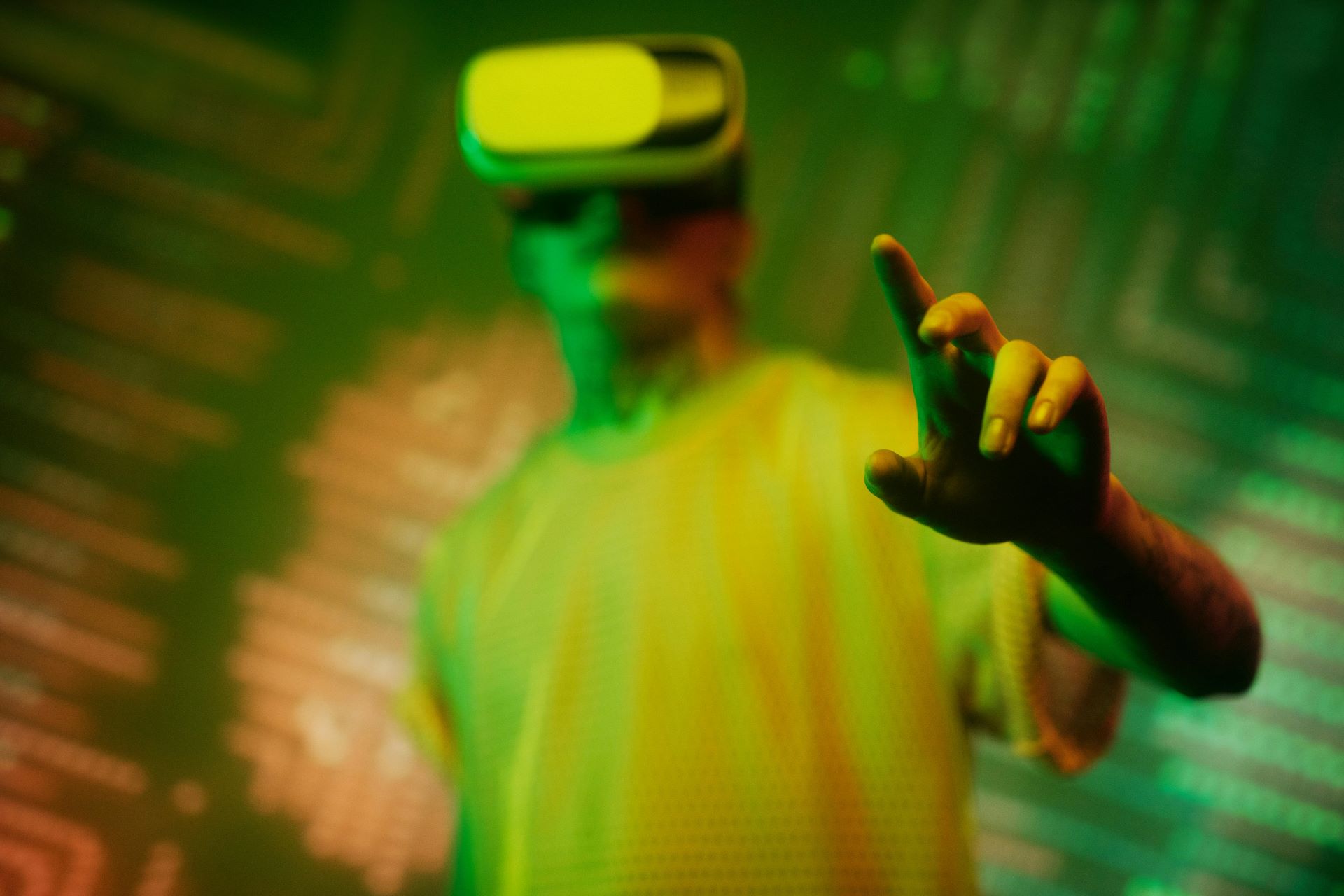
Virtual reality is no longer confined to gaming or consumer entertainment—it has become an essential tool for engineers and architects navigating complex industrial landscapes. In design studios and construction sites around the globe, VR enables professionals to step into projects before a single beam is laid or a circuit is wired. By immersing teams in interactive, three-dimensional models, VR allows for unparalleled visualization of structures, systems, and workflows, bridging the gap between abstract blueprints and tangible reality.
This evolution is more than a novelty; it addresses real-world challenges in efficiency, safety, and design iteration. Projects that once relied on static CAD files or costly physical prototypes can now be simulated in a fully immersive environment, enabling quicker decision-making and proactive problem-solving. For industries where margin for error is razor-thin, VR represents both a shield against costly mistakes and a launchpad for innovation.

Accelerating Project Timelines Through Immersive Design
Traditional design cycles often involve repeated revisions, multiple physical prototypes, and frequent misalignments between teams. VR streamlines this process by allowing stakeholders to inhabit the digital model simultaneously, regardless of location. A structural engineer in Johannesburg can virtually walk through a factory layout while a mechanical designer in Munich evaluates machinery placement in real-time.
The ability to interact with components at scale and in context means potential design flaws surface early. For instance, the ergonomic impact of a control panel in an industrial plant can be evaluated virtually, and changes applied instantly without waiting for costly physical mock-ups. By removing bottlenecks and providing immediate visual feedback, VR reduces project timelines while enhancing precision.
Safety: Testing the Unbuildable
One of VR’s most compelling applications in industrial simulations is safety testing. Construction sites, chemical plants, and manufacturing floors carry inherent risks, some of which cannot be replicated safely in the real world until construction is underway. VR allows engineers to model dangerous scenarios—machine malfunctions, chemical spills, or structural failures—in a controlled environment.
Simulations can be run repeatedly, analyzing how humans interact with machinery, emergency escape routes, or hazardous materials. Architects can test building evacuation protocols, while engineers can optimize plant layouts to minimize risk. By exposing potential hazards in the virtual realm, VR mitigates real-world accidents, reduces insurance costs, and informs regulatory compliance, all without compromising human safety.
Iterative Design in the Metaverse
The digital-first approach of VR fosters a culture of iteration and experimentation. Architects can explore multiple spatial configurations of a high-rise complex, toggling between materials, lighting conditions, and environmental factors. Engineers can simulate energy flows, mechanical stresses, or assembly line efficiency with granular control.
Because VR models are inherently dynamic, revisions are instantaneous. A virtual walkthrough can highlight aesthetic inconsistencies, structural clashes, or workflow inefficiencies, enabling teams to pivot quickly. This agility is transformative, particularly in projects with tight deadlines or complex interdisciplinary requirements, as it allows design evolution to keep pace with rapidly changing client demands and regulatory constraints.

Collaborative Workflows Across Borders
Industrial projects increasingly span continents and involve multidisciplinary teams. VR platforms provide shared digital spaces where stakeholders can converge without physical travel. Design meetings evolve into immersive experiences where engineers, architects, and clients navigate the project together, annotate in real-time, and make informed decisions collaboratively.
This democratization of access reduces communication gaps and accelerates consensus. Disagreements over scale, visibility, or structural feasibility can be resolved within the VR model, ensuring alignment before construction begins. By embedding collaboration directly into the simulation environment, VR reduces friction, enhances transparency, and strengthens team cohesion.
Cost Efficiency and Sustainability
Beyond safety and speed, VR has a profound impact on cost management and sustainability. Physical prototypes, site visits, and repeated on-site corrections consume resources, time, and capital. VR allows for virtual prototyping that drastically reduces material waste and travel expenses.
Furthermore, simulation of energy systems, structural materials, and urban environments enables architects and engineers to make data-driven decisions about resource efficiency and environmental impact. Buildings can be optimized for natural light, airflow, and energy usage, while industrial layouts can minimize material handling and energy consumption. VR doesn’t just save money; it helps create greener, more responsible industrial solutions.
Training the Next Generation of Engineers and Architects
VR is not just a design tool—it’s a learning platform. Students and early-career professionals can explore complex industrial environments safely, gaining experience and intuition without the real-world risk. By simulating everything from construction cranes to chemical reactors, VR accelerates skill acquisition and instills a deeper understanding of spatial and systemic relationships.
This immersive training translates directly into safer, more competent professionals. Companies adopting VR-based training report improved retention of procedures and faster onboarding, reducing the lag between learning and application in real projects.
The Future: Intelligent VR Simulations
As VR technology evolves, industrial simulations will integrate AI, IoT data, and real-time analytics, creating “living” digital twins that reflect ongoing project changes. These intelligent simulations will predict structural stress, optimize energy efficiency, and anticipate safety hazards before they arise. Engineers and architects will not just observe but interact with predictive models, making decisions informed by foresight rather than hindsight.
In the metaverse, the boundary between planning, testing, and execution blurs. Collaborative VR environments will host global teams, automated systems, and predictive models in a single space, enabling industrial projects of unprecedented complexity and efficiency. The future of engineering and architecture is not just digital—it is immersive, intelligent, and virtually limitless.

Virtual reality is redefining the industrial landscape. From immersive design and rapid iteration to safety testing and collaborative workflows, VR transforms the way engineers and architects conceive, communicate, and implement projects. As VR simulations become increasingly sophisticated, industries can expect reduced costs, faster delivery, safer operations, and more sustainable outcomes.
By turning ideas into interactive, three-dimensional experiences, VR empowers professionals to navigate complexity with confidence, foresight, and creativity. The once-abstract world of industrial design has become tangible, testable, and, above all, safer. In the age of VR, engineers and architects don’t just plan the future—they walk through it.