Virtual Product Handling: The New Trade-Show Advantage
Date Published

When Touch Meets Technology
Trade shows have always thrived on physical interaction. For decades, manufacturers of heavy machinery, industrial tools, medical equipment, robotics and other complex systems have leaned on tactile demonstrations to create trust, prove performance and ignite curiosity. Yet as exhibitions become increasingly global, digitised and efficiency-driven, the limits of physical displays are more apparent than ever. Transporting multi-ton machinery is expensive. Space on the exhibition hall floor is scarce. Technical risks lurk behind every mechanical demo. And even with flawless execution, visitors rarely get as much hands-on time as they want.
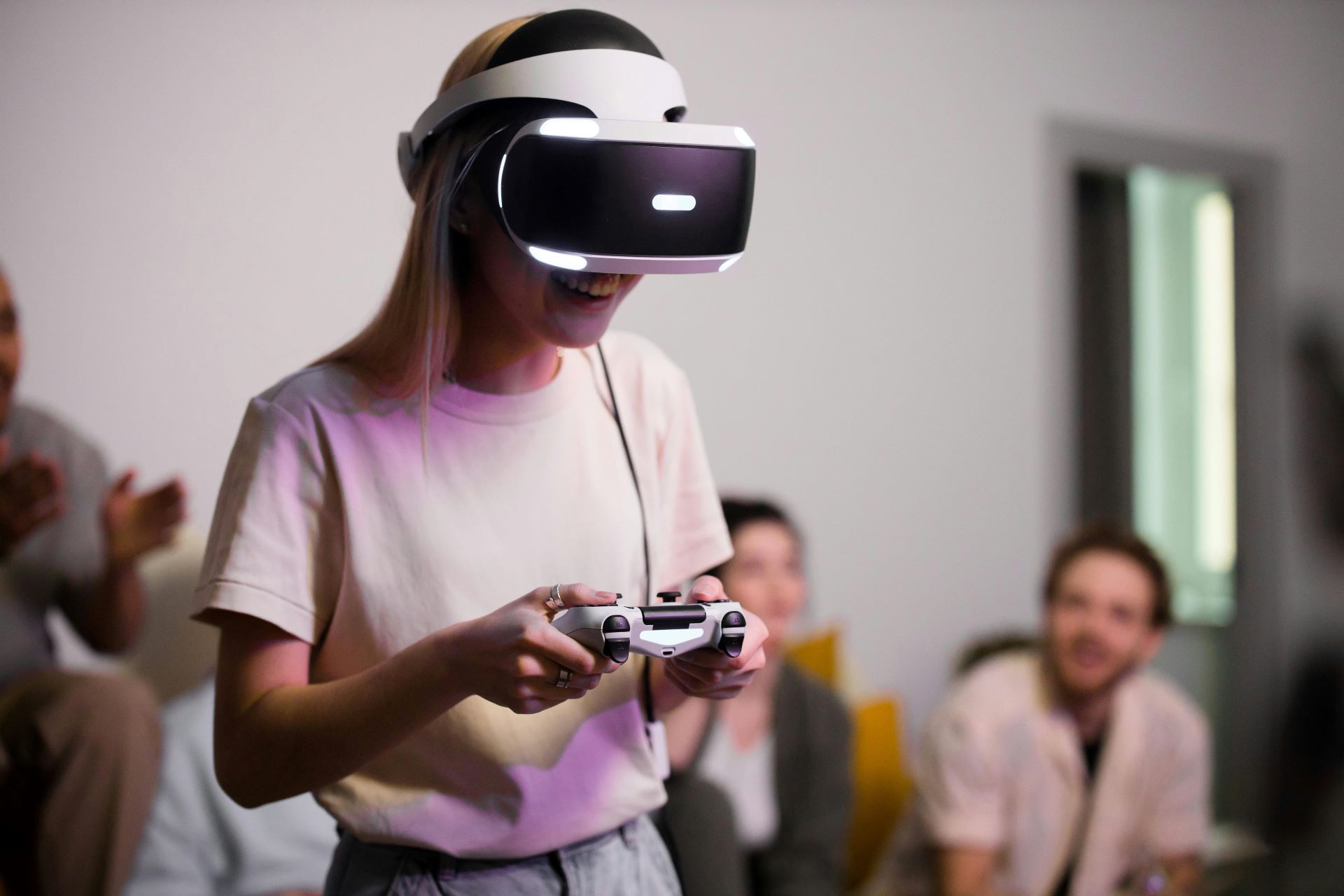
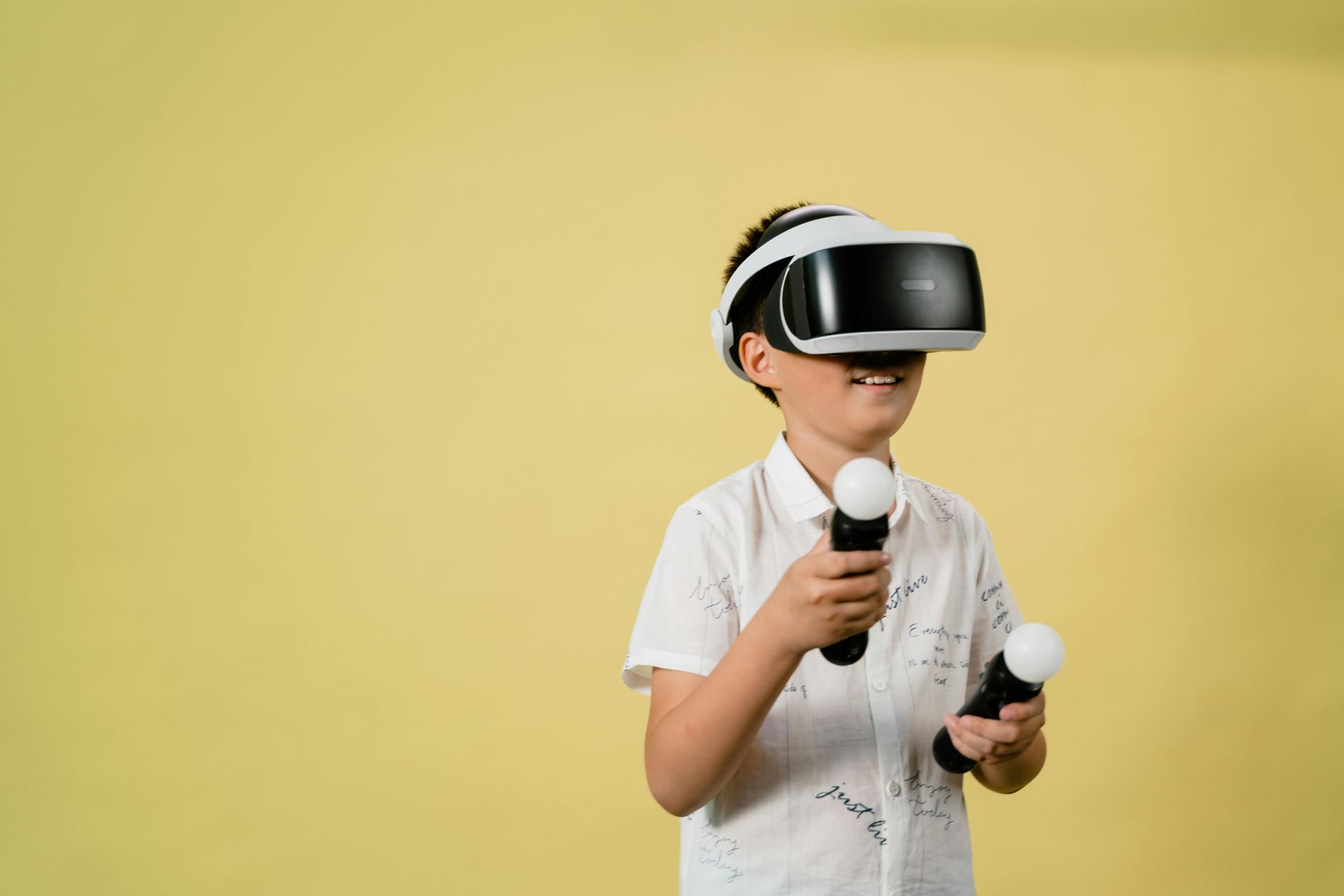
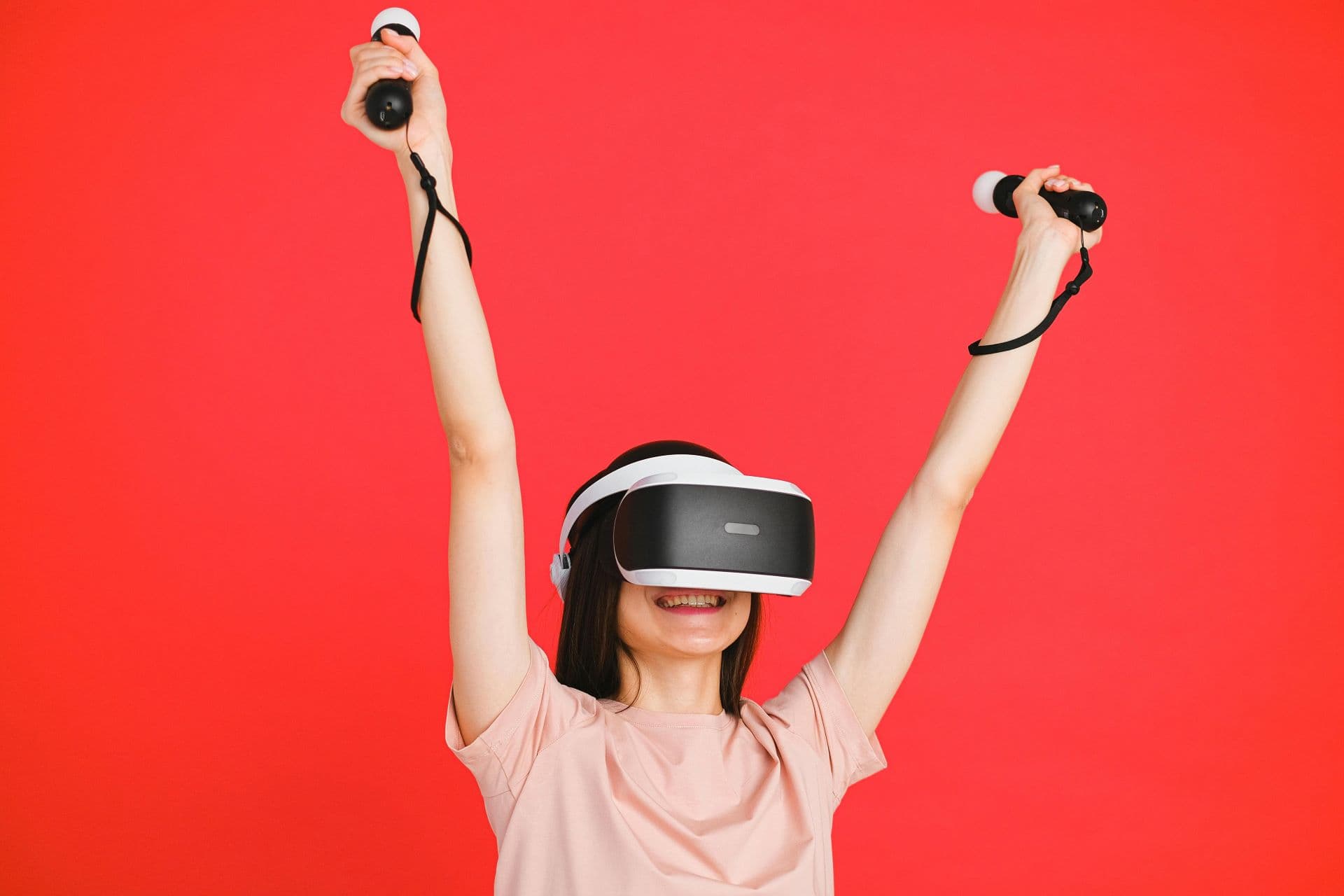
Virtual reality has quietly but decisively risen to solve these constraints. What began as a novelty attraction has evolved into one of the most powerful trade-show enablement tools available: virtual product handling. By creating fully interactive VR replicas of complex machines, brands can simulate real-world operation with astonishing realism. Visitors don’t just watch demos. They pick up tools, pull levers, diagnose faults, disassemble components, activate control systems and operate machinery in environments tailored for understanding rather than spectacle.
This new form of interaction is more than a convenience. It is a sales accelerator. When potential buyers can safely manipulate a machine, explore its design and experience its performance without barriers, conversion happens faster. Misunderstandings fade. Technical approval cycles shrink. Confidence rises. And because VR makes impossible scenarios routine—such as shrinking to examine an engine from the inside—exhibitors can deliver insight that even physical models cannot.
Trade shows are entering an era where the most memorable hands-on experience may involve no physical product at all. The intersection of realism, immersion and interactivity is reshaping exhibitor strategy, and virtual product handling is emerging as the star attraction.

Why Virtual Product Handling Works
The core power of VR replicas lies in fidelity. Visitors are not merely watching animated approximations. Modern VR simulations combine physical-accurate modelling, haptic cues, gesture tracking and photorealistic assets to create experiences that feel grounded and believable. Every bit of realism shortcuts cognitive translation: the visitor does not need to imagine what the machine might feel like in real life—they feel it.
This immediacy is extremely effective for complex products. A small consumer gadget may not benefit heavily from VR handling, but a robotic arm with sixteen degrees of freedom? A welding torch with programmable settings? A milling machine that normally weighs several tons? These items benefit enormously from being virtually handling-ready.
A VR replica provides a controlled, precise demonstration. Visitors move through product interactions at their own pace. They can repeat steps, test features, or even explore engineering aspects normally off-limits due to safety or confidentiality. Exhibitors, meanwhile, can observe behavior, answer questions and guide the experience without worrying about equipment damage or queue times around a single physical unit.
Realistic simulation cuts through the complexity barrier. Instead of conceptual descriptions, visitors gain embodied understanding. That is what accelerates sales: comprehension becomes visceral rather than theoretical.
The Cost and Space Advantages at Exhibitions
One of the immediate motivations for companies adopting VR replicas is cost. Transporting heavy machinery internationally is a logistical feat involving shipping crates, insurance, specialist technicians and extensive planning. Even small technical devices require careful handling and setup.
A VR alternative changes the equation completely. A full product line can be displayed within a few headsets and PCs, freeing booth space for conversations, meetings and hospitality. Exhibitors can showcase dozens of variations—sizes, attachments, configurations, add-ons—without physically hauling any of them. The cost reduction is substantial, but the strategic advantage is even bigger. Space becomes flexible. Displays become dynamic. Updates can be deployed instantly.
Trade-show organisers are also more willing to accommodate VR-centric booths because the footprint remains manageable while the experiential value skyrockets. A compact booth equipped with high-end VR can rival the presence of a much larger exhibitor with traditional equipment. It levels the playing field for smaller companies while giving larger brands a way to demonstrate scale without the physical bulk.
Building a VR Replica: Engineering Precision in Digital Form
Creating a VR model that handles realistically is an interdisciplinary task that requires engineering expertise, 3D artistry and simulation science. A credible replica cannot be faked with generic interactions. The core design philosophy prioritises accuracy over aesthetics—although modern VR easily delivers both.
Manufacturers typically provide CAD models, performance charts, materials data and operator procedures. These inputs become the foundation of a simulation that mirrors real-world movements, limitations and behaviors. Motion arcs must be correct. Load responses must make sense. Tool activation sequences need to reflect actual operating principles.
Even the intangible aspects matter. The noise of a hydraulic pump. The vibration of a power tool. The motion resistance of a lever. While trade-show headsets cannot perfectly replicate haptics, carefully tuned audio-visual cues can trick the brain into filling the gaps.
This fidelity matters because trade shows bring an audience of professionals. They know what machinery should feel like. They know when a rotary tool spins incorrectly or a drill head moves unnaturally. A convincing VR replica respects their expertise, creating credibility that transfers directly to the brand.
Demonstrating Complex Machinery Without Risk
Trade shows are high-risk environments for heavy equipment. Crowds, tight spaces, unpredictable user behavior and constant operation over multiple days create challenges. Safety procedures can slow down demonstrations; breakdowns can derail a booth for hours; and some tools simply cannot be demonstrated indoors due to regulations.
VR removes these obstacles entirely. Hazardous machinery becomes safe and fully explorable. Cutting tools, high-pressure systems, heavy lifting devices, robotic arms and chemical handling solutions can be operated in VR without endangering anyone.
The sales impact of this safety shift is profound. Visitors are willing to try features they normally wouldn’t. They touch more controls, experiment more freely and gain deeper confidence. Exhibitors can push the educational envelope further, showing internal mechanisms, failure states, near-miss scenarios or maintenance workflows that would be unsafe or impractical to demonstrate physically.
By turning risk into engagement, VR makes technical demonstrations richer, safer and more persuasive.
Interactive Learning as a Lead Qualification Tool
In traditional trade-show setups, sales teams try to gauge visitor interest through conversation, observation and intuition. VR adds a new dimension: behavioral data. As attendees move through virtual experiences, the simulation can track what they explore, which features they test, how long they spend on various components and where they hesitate.
This data becomes a powerful lead-qualification mechanism. Exhibitors can identify high-intent prospects based on how deeply they interacted with the product. A visitor who runs through an entire operation cycle, swaps attachments and investigates maintenance procedures is far more qualified than someone who only skimmed the basics.
Because VR experiences are guided but self-paced, they reveal genuine curiosity rather than performative interest. Sales teams can use this information in real time, tailoring conversations to what the visitor experienced. Instead of generic pitches, discussions become precise and relevant.
The combination of immersive understanding and targeted engagement shortens sales cycles dramatically.
Bringing Invisible Features to Life
A major limitation of physical demonstrations is that many internal features—engineering innovations, energy-efficiency improvements, procedural logic—are invisible. They must be described verbally or illustrated with static diagrams. This approach rarely communicates the true value or complexity of the design.
VR changes this completely. A visitor can isolate components, pause animations, scale mechanisms up or down, or even step inside the machine to examine details from impossible angles. They can explode a model into its subassemblies and see how everything functions cohesively.
Invisible features become tactile knowledge. This transparency builds trust because prospects feel they understand not only the product’s capabilities but also the craftsmanship behind it.
For manufacturers who differentiate through engineering excellence rather than aesthetic flair, VR provides a stage to showcase what normally remains hidden.
Dynamic Configuration Demonstrations
Many industrial products come in multiple configurations: optional attachments, size variations, power modes, control systems, add-ons and custom packages. Demonstrating every combination physically is impossible. Even showing a few variations requires extra units, more space and more cost.
VR solves this elegantly. A visitor can toggle configurations instantly. The simulation can update geometry, behavior and performance characteristics in real time. This flexibility enables deeper customisation discussions at the booth itself, rather than deferring them until later meetings.
It also prevents visitor fatigue. Instead of wandering through multiple displays, prospects remain focused within a seamless VR environment where changes happen effortlessly. The immediacy amplifies retention, making the pitch more convincing.
A single headset can represent an entire product catalog, enabling scale without clutter.
Bridging the Gap Between Concept and Reality
Trade shows often include prototypes or pre-production designs that are not yet ready for physical handling. Manufacturers typically rely on static models or concept visuals that fail to communicate how the finished product will actually function.
VR replicas can simulate not only current products but future versions. Exhibitors can present prototypes fully realised in virtual form. Visitors can test features, inspect functionality and interact with conceptual innovations as if they exist already.
This capability opens a new dimension in B2B marketing. Companies can validate interest before building anything. They can gather feedback from potential buyers, identify which features resonate most, and refine designs accordingly.
In fast-moving industries—robotics, renewable energy tech, advanced manufacturing—this compresses development cycles and reduces risk.
Remote Collaboration Within the Trade-Show Experience
Another advantage of VR replicas is their ability to incorporate remote participants. A visitor on the exhibition floor can interact with an engineer or product specialist located anywhere in the world. Both appear in the same virtual space, collaborating on a shared model.
This capability solves a long-standing trade-show challenge: ensuring deep technical expertise is always available. Instead of flying global specialists to every event, companies can connect them virtually. These experts can demonstrate advanced functionality, walk visitors through operational procedures, or answer highly technical questions while interacting with the same machine replica.
It also enhances international accessibility. Potential buyers who cannot attend in person can experience the same VR demo remotely, maintaining consistent communication across global markets.
Trade shows are no longer geographically bound. VR expands their reach beyond the hall, enabling multi-location engagement without logistical strain.

Emotional Impact: The Psychology of Immersive Demonstration
Technical accuracy drives understanding, but emotional resonance drives decision-making. VR excels at both. A visitor fully immersed in a simulation experiences the product with an intensity unmatched by brochures, videos or static displays. Their focus sharpens. Their memory retention increases. Their impression of the brand deepens.
This happens because VR creates presence—the psychological sensation of “being there.” Presence amplifies every element of the experience: the hum of machinery, the scale of industrial equipment, the precision of tools, the satisfaction of successful operation.
Visitors leave with a memory rather than an impression, and memories convert far better than impressions. For high-value machinery and tools, where the decision cycle is long and competition fierce, this emotional lift is a significant competitive edge.
VR does not just demonstrate a product. It builds a connection.
Designing Experiences for the Trade-Show Environment
Building a realistic VR machine replica is only part of the challenge. Exhibitors must design the surrounding user experience to accommodate trade-show constraints: noise, foot traffic, tight schedules, queues and varying levels of visitor familiarity with VR.
A well-designed booth acknowledges that some visitors will want thorough, guided experiences, while others prefer quick, high-impact impressions. To support both, VR simulations should include intuitive controls, clear onboarding, and the option to jump between demonstration modes.
Another important consideration is headset turnover. Sanitisation, fit adjustment and user comfort impact flow efficiency. High-end headsets with pass-through capability, comfortable straps and wide field-of-view help reduce friction and heighten immersion.
Meanwhile, booth staff should serve as facilitators, not simply observers. Guiding visitors into the experience, interpreting their reactions and using VR moments as conversation starters transforms the simulation into an integrated sales tool.
The goal is a seamless blend of digital immersion and human interaction.
The Competitive Landscape: VR as Differentiation
In crowded trade-show halls, differentiation is everything. Exhibitors compete not only for attention but for time—arguably the scarcest resource for attendees. Traditional booths rely on size, spectacle or giveaways to attract crowds. VR provides a sharper, more meaningful hook.
Brands leveraging virtual product handling consistently see higher engagement times. Visitors willingly queue for immersive demos because they offer more value than passive experiences. This increased interaction creates natural momentum around the booth, drawing additional visitors through visible interest.
The strategic advantage becomes self-reinforcing. Companies known for immersive VR demos are remembered. They become must-visit destinations at future events. Prospects feel the brand is technologically forward-thinking. The perception of innovation spills over into their view of the product itself.
In industries defined by precision, reliability and engineering sophistication, this perception matters.
Overcoming Skepticism Through Realism
Not all audiences are immediately convinced by VR. Some visitors perceive it as a gimmick, especially older or highly technical professionals accustomed to evaluating machinery physically. Yet skepticism typically evaporates within seconds of engaging with a well-executed simulation.
The key is realism. If a simulation behaves naturally—tools respond correctly, mechanisms move authentically, and controls feel intuitive—resistance fades. On the contrary, these visitors often become the most enthusiastic advocates. They recognise the inherent value of exploring machinery without physical limits.
The realism must extend beyond visuals. Authenticity of motion, accurate physics, precise timing, and believable audio cues all matter. Subtle details—like the slight delay before a hydraulic line engages or the wobble of a handheld tool under torque—signal to experienced users that the simulation respects real-world behavior.
The more realistic the experience, the faster it transforms skeptics into believers.
Scaling VR Across a Product Portfolio
Once a company invests in VR replicas, the value extends beyond a single product or single event. The digital assets become reusable, modifiable and expandable. A brand can scale VR across:
future trade shows
customer training programmes
after-sales support
engineering demonstrations
sales presentations
remote technical audits
This multi-use approach increases ROI dramatically. Each new simulation builds on existing frameworks, reducing development time. Over time, a company can assemble an entire library of interactive VR models representing their complete product line.
This digital ecosystem becomes a long-term strategic asset, supporting global sales and training long after the trade show ends.
Enhancing Storytelling Through Scenario-Based Demonstrations
One of VR's greatest strengths is its ability to integrate products into meaningful scenarios. Instead of floating in white voids, machines can operate within realistic environments: construction sites, manufacturing floors, medical labs, offshore platforms, warehouses or energy facilities.
These contexts tell a story. They show how the product solves a problem. They demonstrate day-to-day usage, safety protocols and performance under stress. Visitors understand not just how a machine works but why it matters.
Scenario-based VR also emphasises outcomes rather than mechanisms. Instead of highlighting features, exhibitors showcase results. A robotic arm completes a task with precision. A tool increases efficiency. A machine handles a workflow seamlessly. These mini-narratives make value unmistakable.
At trade shows, where attendees are exposed to countless competing messages, scenario-driven immersion ensures the product stands apart.
The Role of Analytics in Refining Future Trade-Show Strategy
VR unlocks a new level of analytics for trade-show planners. Behind the scenes, simulation data can reveal which products attract the most interest, which interactions prove challenging, where visitors spend the most time and which scenarios generate the highest engagement.
Patterns emerge. Exhibitors can refine their booth layout, restructure simulation flow, identify product features that resonate most strongly and adjust sales messaging accordingly. Data enriches intuition, guiding decisions with empirical insight.
This iterative approach transforms trade-show participation into a long-term optimisation process. VR isn't just a tool for engagement. It’s a feedback engine for strategy.
Ethical and Accessibility Considerations
As VR becomes more central to trade-show experiences, accessibility must be prioritised. Not all visitors can comfortably use headsets. Motion sensitivity, visual impairments and physical limitations require thoughtful design. Alternative display modes—such as mirrored screens or desktop versions—should accompany the VR setup to ensure inclusivity.
Ethical considerations around data collection must also be addressed. Visitors should know how their interactions are being tracked and why. Transparent communication fosters trust and ensures VR enhances the brand experience rather than complicating it.
Design choices must accommodate diverse audiences. Intuitive controls, optional seated modes and slow-paced onboarding all contribute to comfort and accessibility.
Sustainability Benefits
In an era of growing environmental awareness, trade-show sustainability is increasingly scrutinised. VR replicas significantly reduce the carbon footprint associated with exhibition transport. No heavy machinery shipping. No additional raw materials. No energy-intensive displays.
Compact VR booths require fewer resources overall. Exhibitors can promote sustainability without compromising engagement. This advantage is especially appealing to environmentally conscious clients, who appreciate brands taking proactive steps toward greener operations.
VR demonstrates innovation and responsibility simultaneously—a powerful brand statement.
Future Directions: Where Virtual Product Handling Is Heading
The trajectory of VR in trade shows is only accelerating. As hardware improves—higher resolution, wider field-of-view, lighter designs, better pass-through and haptics—the realism of product handling will deepens further. Emerging technologies will extend this evolution:
Mixed reality will merge virtual and physical objects, enabling hybrid demos where users handle real controls connected to virtual systems.
Haptic gloves and exoskeletons will add tactile fidelity, introducing real resistance, pressure and fine-motor feedback.
AI-driven simulation will personalise demos based on visitor behavior, adapting difficulty, guiding exploration or recommending features.
Cloud streaming will allow high-fidelity simulations without powerful local hardware, enabling simpler booth setups and smoother remote participation.
These innovations will make VR demonstrations even more compelling and democratise access across industries.

A New Standard for Trade-Show Engagement
Virtual product handling represents a paradigm shift for trade shows. By transforming complex machinery into fully interactive VR replicas, exhibitors overcome physical limitations and unlock unprecedented engagement. Visitors gain hands-on experience without risk. Sales teams gain deeper insights into buyer interest. Engineers gain a platform to showcase invisible innovations. And brands gain a dynamic, scalable, future-forward tool for storytelling.
As VR continues to mature, the question for trade-show exhibitors is no longer whether they should adopt virtual demonstrations—it is whether they can afford not to. In a global marketplace defined by innovation, efficiency and rapid change, virtual product handling stands as one of the most powerful accelerators available.
Trade shows will always value human connection. But in the years ahead, the most influential interactions may unfold inside a headset, where realism, immersion and insight converge to redefine what “hands-on” truly means.