VR in Sports: Transforming Training, Analysis & Fan Experience
Date Published

Virtual reality (VR) is no longer a futuristic concept reserved for gaming or sci-fi films—it has firmly established itself in the world of professional sports. From enhancing athletic performance to delivering immersive experiences for fans, VR is transforming how teams train, strategize, and engage with audiences. As technology becomes more accessible, teams across leagues and disciplines are investing heavily in VR solutions, recognizing its potential to provide competitive advantages both on and off the field.
This article explores how VR is shaping sports today, focusing on training efficiency, performance analysis, and fan engagement, highlighting real-world examples of how technology is becoming an indispensable tool in modern sports.

Revolutionizing Training and Skill Development
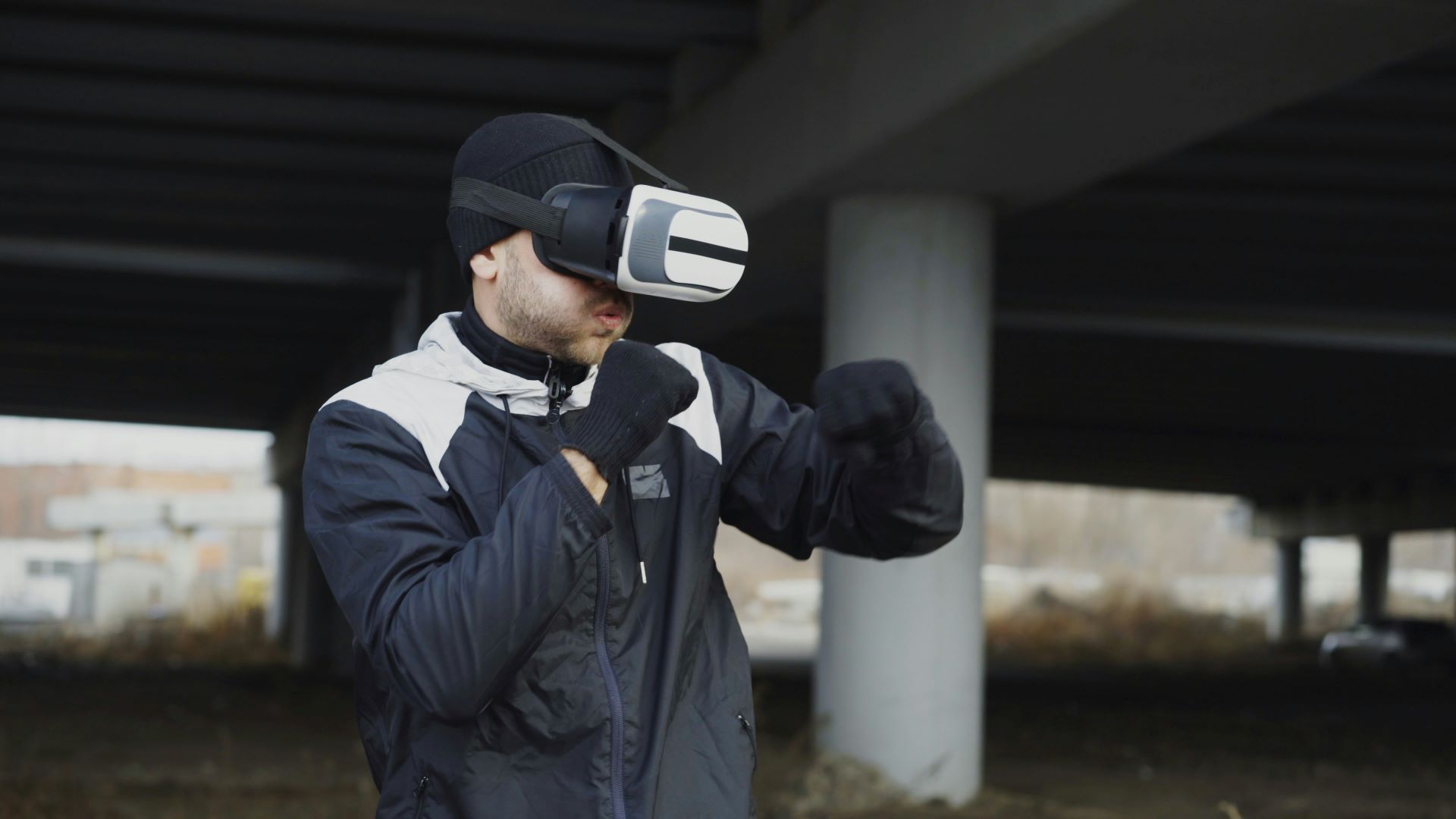
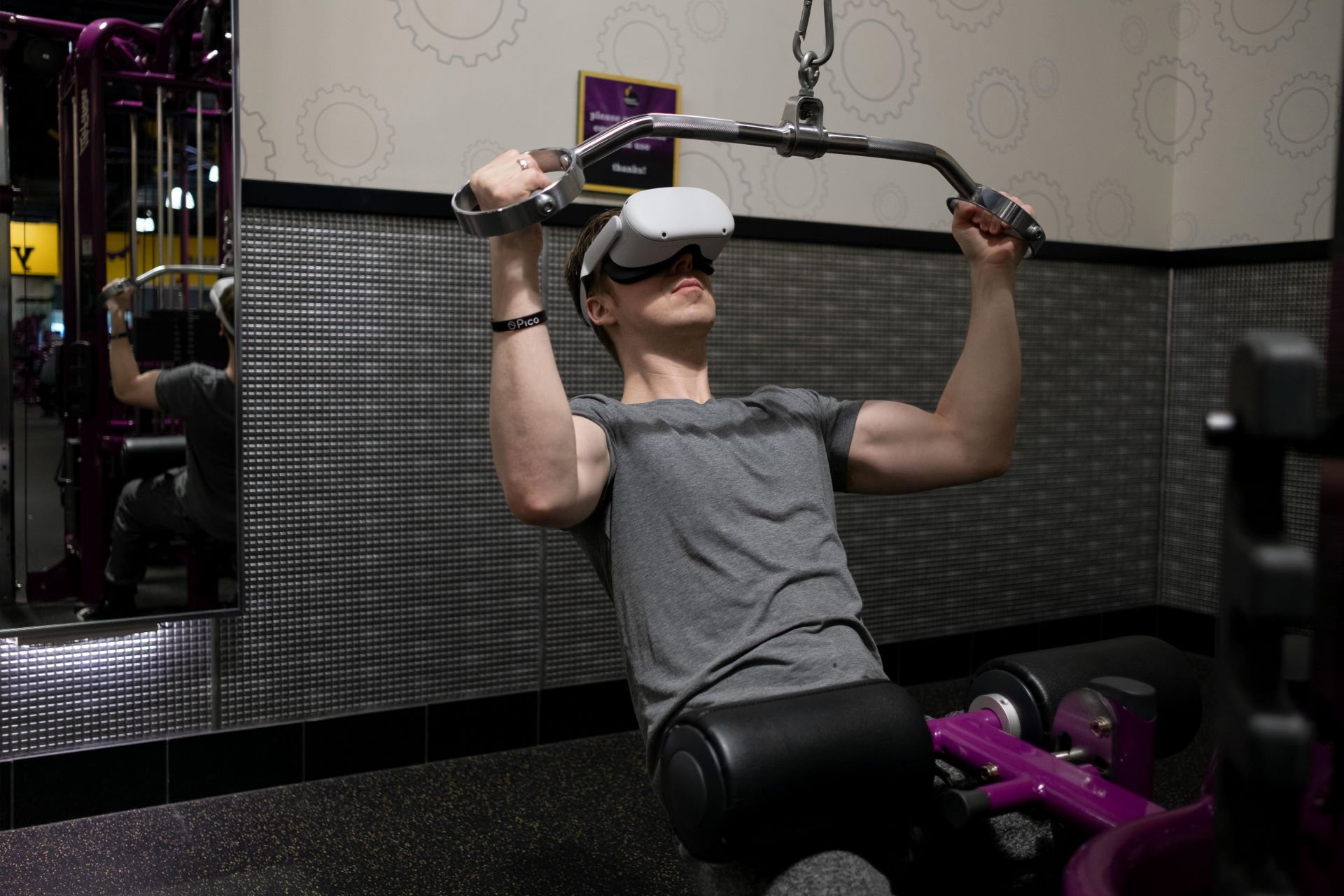
For professional athletes, the margin between victory and defeat is often razor-thin. VR offers a controlled, risk-free environment where players can practice and refine their skills without the physical toll of repeated drills or game-day pressures. By simulating real-game scenarios, VR allows athletes to rehearse plays, anticipate opponents’ moves, and develop decision-making skills with unparalleled precision.
Consider football teams leveraging VR to train quarterbacks. By donning VR headsets, quarterbacks can virtually face defensive formations that mimic upcoming opponents. The experience offers instant feedback on reaction times, decision-making, and spatial awareness. This allows players to mentally rehearse plays while preserving their physical condition, reducing fatigue and injury risk. Basketball teams are also embracing VR to simulate game situations, such as free-throw pressure or defensive rotations, enabling athletes to train their mental resilience alongside physical skill.
Beyond individual training, VR supports team-based practice. Coaches can design simulations to practice set plays or strategies without the logistical burden of full-field sessions. By analyzing the data captured during VR sessions, teams can identify patterns, pinpoint weaknesses, and refine tactics efficiently, giving athletes a mental edge even before they step onto the actual field.
Data-Driven Performance Analysis
VR is not only a tool for training but also a gateway to comprehensive performance analysis. Advanced VR platforms can integrate motion tracking, biometric sensors, and AI analytics, creating a rich dataset that coaches and sports scientists can study in depth. This allows teams to quantify performance in ways that were previously impossible.
For instance, soccer clubs use VR to track player positioning, passing accuracy, and reaction speed in simulated matches. The VR environment captures subtle body movements, allowing analysts to examine biomechanics and optimize player performance. These insights can then inform personalized training plans tailored to an athlete’s specific strengths and weaknesses.
VR analytics also supports injury prevention. By simulating high-impact plays in a virtual setting, teams can identify potentially dangerous movement patterns or overuse tendencies. This predictive capability helps medical teams intervene before injuries occur, reducing downtime and extending athletes’ careers. In contact sports such as rugby or American football, where injuries can be career-defining, VR becomes an invaluable tool for safeguarding players while maintaining peak performance.
Moreover, VR allows for scenario-based decision analysis. Coaches can simulate critical moments, such as penalty shootouts or end-of-game strategies, giving players the chance to mentally rehearse high-pressure situations. The combination of immersive simulation and granular data analytics is redefining how teams approach performance optimization.
Immersive Fan Engagement
While VR’s impact on training and analysis is significant, its influence on fan engagement is arguably more transformative. Sports organizations are increasingly recognizing the potential of VR to create immersive experiences that bring fans closer to the action than ever before.
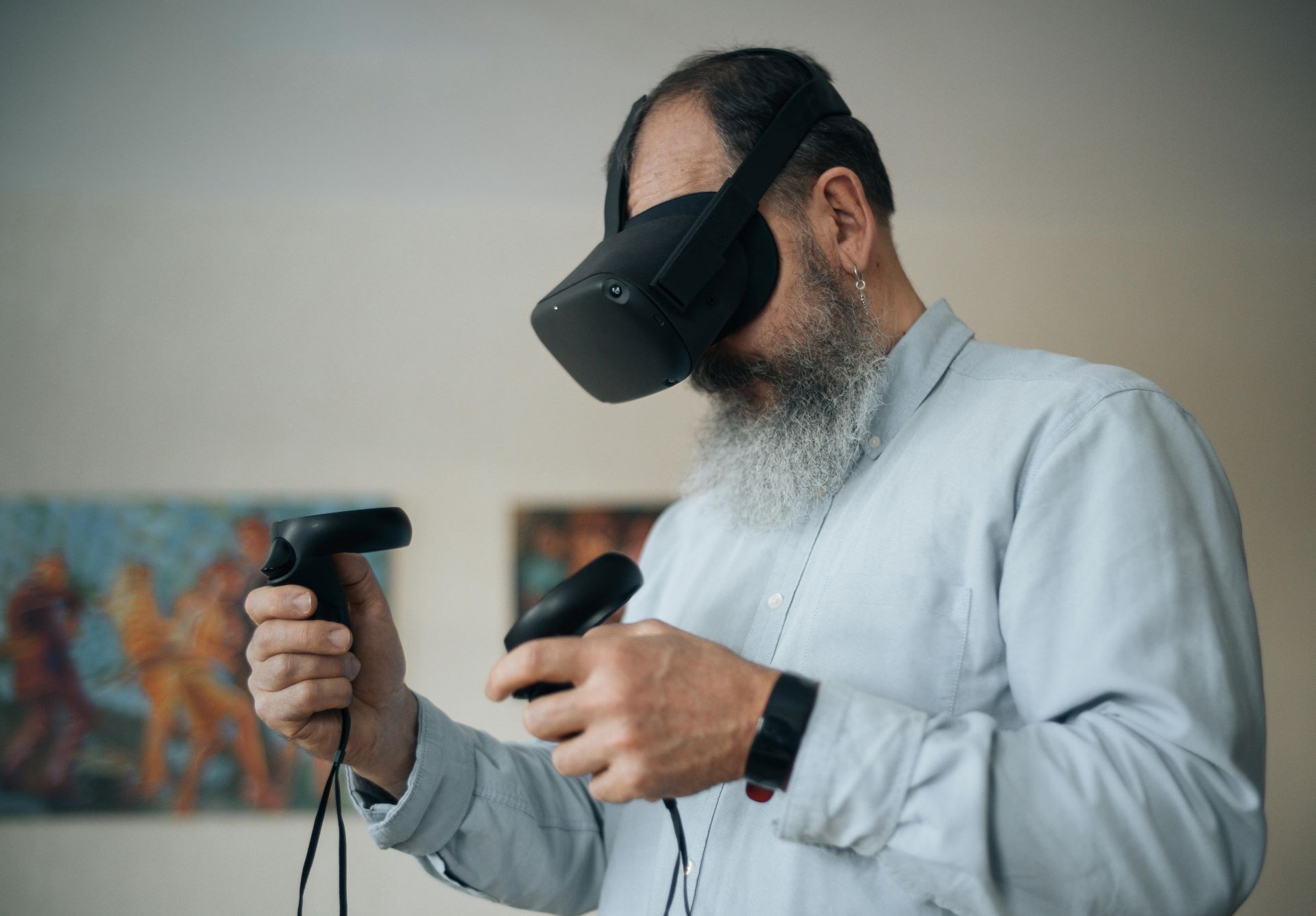
Imagine donning a VR headset to experience a front-row perspective at a championship final, or to see the game from a player’s point of view. VR platforms can simulate these experiences in real-time, making fans feel like they are on the pitch or court, even from thousands of miles away. This level of immersion strengthens emotional connections, encouraging loyalty and enhancing the overall fan experience.
VR also enables interactive engagement. Fans can explore 360-degree replays, watch behind-the-scenes content, or virtually meet their favorite athletes. Some teams are even gamifying VR experiences, allowing users to participate in drills, shoot hoops, or score goals alongside their idols. This interactive approach goes beyond passive viewership, transforming sports consumption into an active, participatory experience.
Sports franchises are increasingly integrating VR into ticketing and membership models. Premium VR experiences, such as virtual suites or training session access, create new revenue streams while offering fans exclusive insight into their teams. Beyond professional leagues, college and grassroots clubs are exploring VR as a tool to attract younger audiences, who are often digital-native and expect immersive, technology-driven experiences.

Case Studies: VR in Action
Several professional sports organizations have already embraced VR, providing concrete examples of its effectiveness.
In the NFL, teams like the San Francisco 49ers and Dallas Cowboys use VR to train quarterbacks and wide receivers. VR simulations allow players to rehearse plays against virtual defenses, improving reaction times and decision-making without the wear and tear of physical practice.
NBA teams, including the Golden State Warriors, have incorporated VR for both player training and fan experiences. Players can practice free throws or simulate game scenarios, while fans can explore immersive courtside views or relive key game moments in 360-degree environments.
European football clubs, such as Real Madrid and Manchester United, are experimenting with VR to enhance training analysis and global fan engagement. These clubs use VR to visualize tactical formations, study opponents, and offer interactive content for fans worldwide, strengthening their brand presence and creating unique digital experiences.
Even extreme sports organizations are exploring VR. Skiing, motocross, and surfing athletes can rehearse courses or wave patterns virtually, preparing mentally for high-risk maneuvers without exposing themselves to danger. This cross-discipline adoption highlights VR’s versatility and potential to redefine training across sports.
Challenges and Future Opportunities
Despite its benefits, VR adoption in sports is not without challenges. High-quality VR equipment can be expensive, and integrating VR into existing training and broadcasting infrastructure requires careful planning. There is also a learning curve for athletes and coaches, who must adapt to virtual environments and interpret data effectively.
Moreover, the immersive nature of VR can present physical and cognitive challenges. Extended sessions may cause fatigue or motion sickness, and over-reliance on virtual scenarios could theoretically limit exposure to real-world variables. Balancing VR with traditional methods is crucial to ensure athletes develop both mental and physical readiness.
Looking ahead, the future of VR in sports is bright. Advances in haptic feedback, AI-driven analytics, and real-time simulation will make virtual training even more realistic and precise. Augmented reality (AR) integration could further enhance fan engagement, blending virtual overlays with live experiences. As 5G networks expand, high-fidelity VR experiences will become more accessible globally, bridging the gap between teams and fans and democratizing access to elite training insights.
VR also opens the door to new business models. Subscription-based VR content, virtual merchandise, and interactive advertising could become mainstream revenue sources for sports organizations. By embracing these opportunities, leagues can expand their reach, engage diverse audiences, and generate value beyond the traditional confines of stadiums and broadcast channels.

Virtual reality is no longer a novelty in sports; it has become a transformative tool that reshapes training, performance analysis, and fan engagement. Professional teams harness VR to refine skills, optimize tactics, and prevent injuries, while fans benefit from immersive experiences that bring them closer to the game than ever before.
As technology continues to evolve, VR will further integrate into every aspect of sports, from elite training sessions to global fan interactions. Teams that embrace VR today are not only enhancing performance but also building the foundation for a digitally connected, immersive sports culture that captivates audiences and redefines what it means to experience the game.
Whether on the training field, in the broadcast studio, or through a headset at home, virtual reality is bridging the gap between athletes and fans, creating a new era where sports are not just watched—they are lived.