
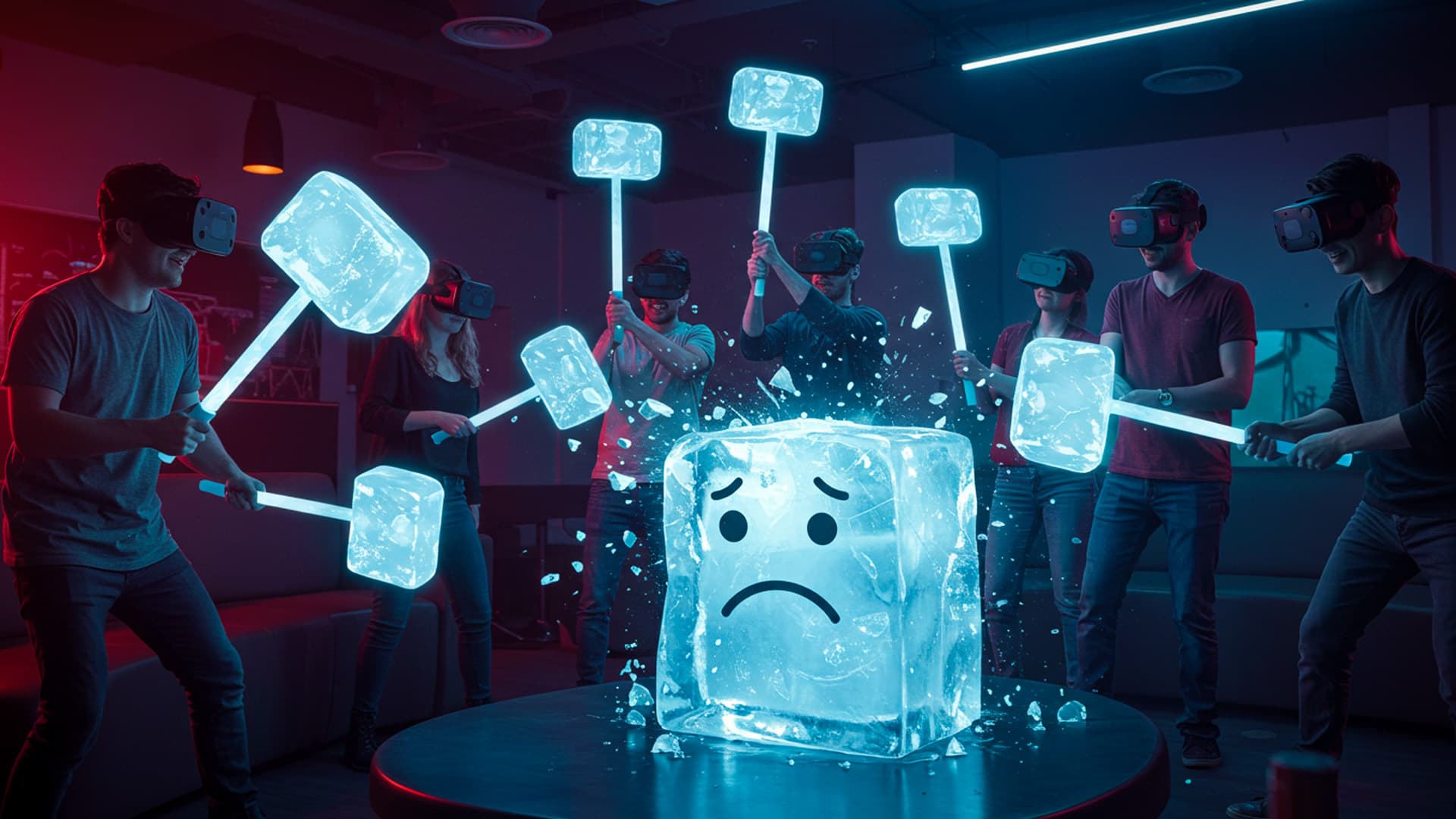
Why VR is the Ultimate Icebreaker
Exploring How Virtual Reality Transforms Networking and Interaction Virtual reality (VR) has evolved far beyond a niche entertainment medium to...
Exploring How Virtual Reality Transforms Networking and Interaction
Virtual reality (VR) has evolved far beyond a niche entertainment medium to become a transformative force in modern event engagement.
By merging digital artistry with technical innovation, VR creates immersive spaces that break down social barriers and spark authentic connections.
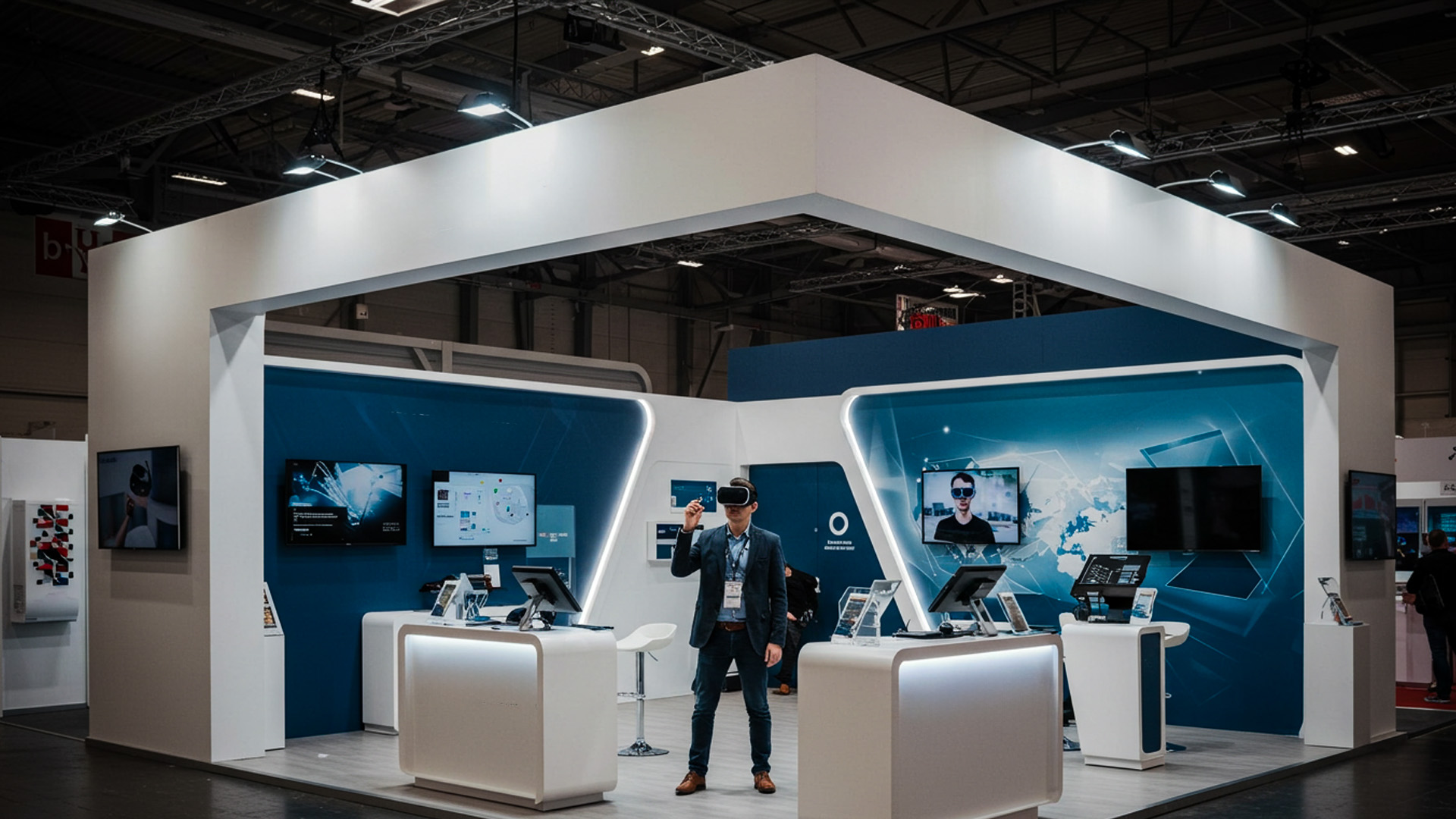
Attendees can explore virtual landscapes that mimic or enhance physical interactions, making every moment at an event more engaging and memorable.
Transforming Social Dynamics Through Immersive Experiences
Bridging Physical and Digital Realms
VR acts as a bridge between the physical and digital worlds, allowing attendees to interact in environments that defy traditional limitations.
In these hybrid spaces:
- Physical presence merges with digital interaction
- Attendees engage with virtual objects and environments
- Social barriers are reduced through immersive participation
This creates a more inclusive and dynamic networking environment.
VR encourages spontaneous conversations and helps even introverted participants engage more comfortably.
Catalyzing Spontaneous Conversations
VR environments naturally encourage interaction through:
- Interactive virtual objects
- Responsive environments
- Avatar-based communication
These elements create natural conversation starters and encourage organic engagement between attendees.
Discussions often extend beyond the experience itself into:
- Technology insights
- Personal VR experiences
- Creative and industry ideas
This deepens networking value beyond surface-level interaction.
Evoking Shared Emotions and Experiences
VR creates emotionally shared experiences that strengthen human connection.
Participants experience:
- Collective virtual journeys
- Interactive challenges
- Story-driven environments
These shared moments build emotional resonance and lasting memories among attendees.
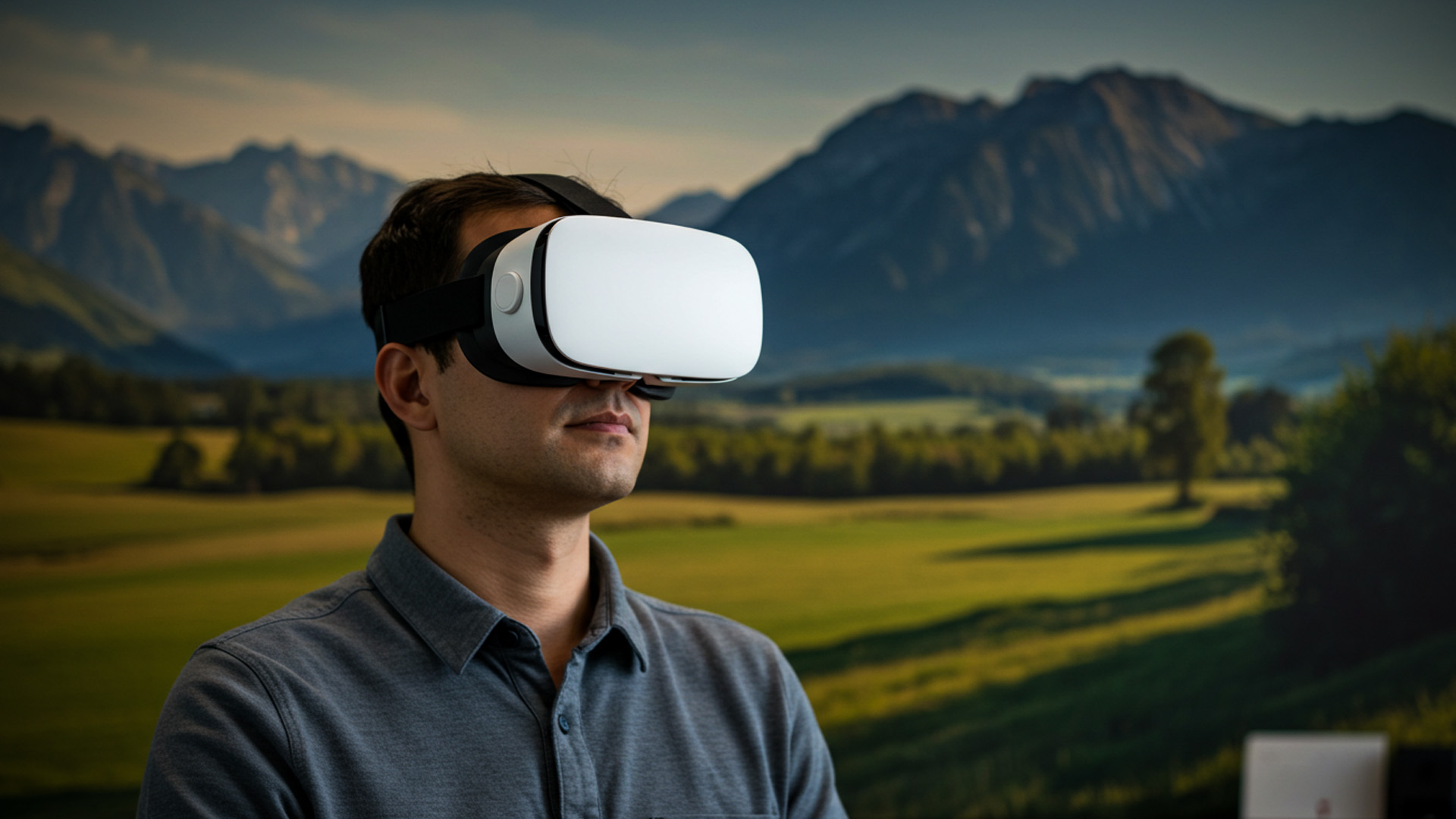
Enhancing Interactivity with Advanced VR Technology
State-of-the-Art Hardware and Software Innovations
Modern VR systems combine:
- High-performance headsets
- Motion tracking systems
- Real-time rendering engines
- Multi-sensory feedback systems
These technologies create deeply immersive and responsive environments.
Personalized and Adaptive User Interfaces
VR systems adapt dynamically to each user by:
- Tracking user behavior
- Adjusting interfaces in real time
- Personalizing navigation and content
This ensures both beginners and advanced users have seamless experiences.
Seamless Integration with Event Ecosystems
VR integrates with physical events by enhancing:
- Live presentations
- Exhibitions
- Networking areas
Attendees can transition between real and virtual experiences seamlessly, creating a unified event journey.
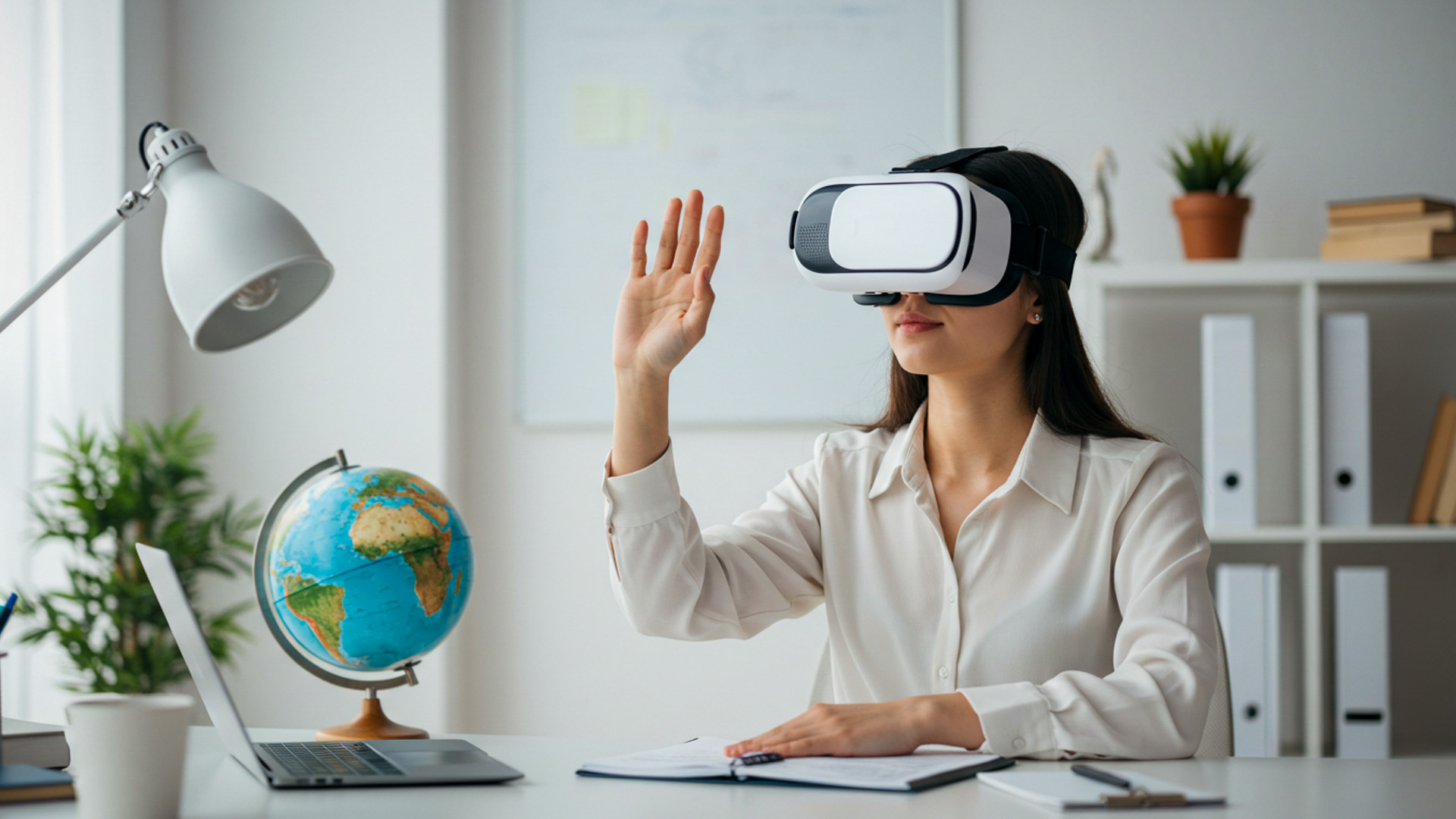
Fostering Networking and Collaboration in Real-Time
Virtual Meeting Spaces Redefining Professional Interactions
VR enables global networking through:
- Avatar-based interaction
- Virtual breakout rooms
- Real-time collaboration tools
This removes geographical barriers and enhances accessibility.
Interactive Workshops and Team-Building Adventures
VR workshops simulate real-world scenarios where teams:
- Solve challenges collaboratively
- Participate in gamified learning
- Build communication and trust
These experiences strengthen teamwork and engagement.
Overcoming Geographical Limitations
VR allows participants from around the world to:
- Meet in shared virtual environments
- Collaborate in real time
- Participate in global events without travel
This creates a truly borderless networking experience.
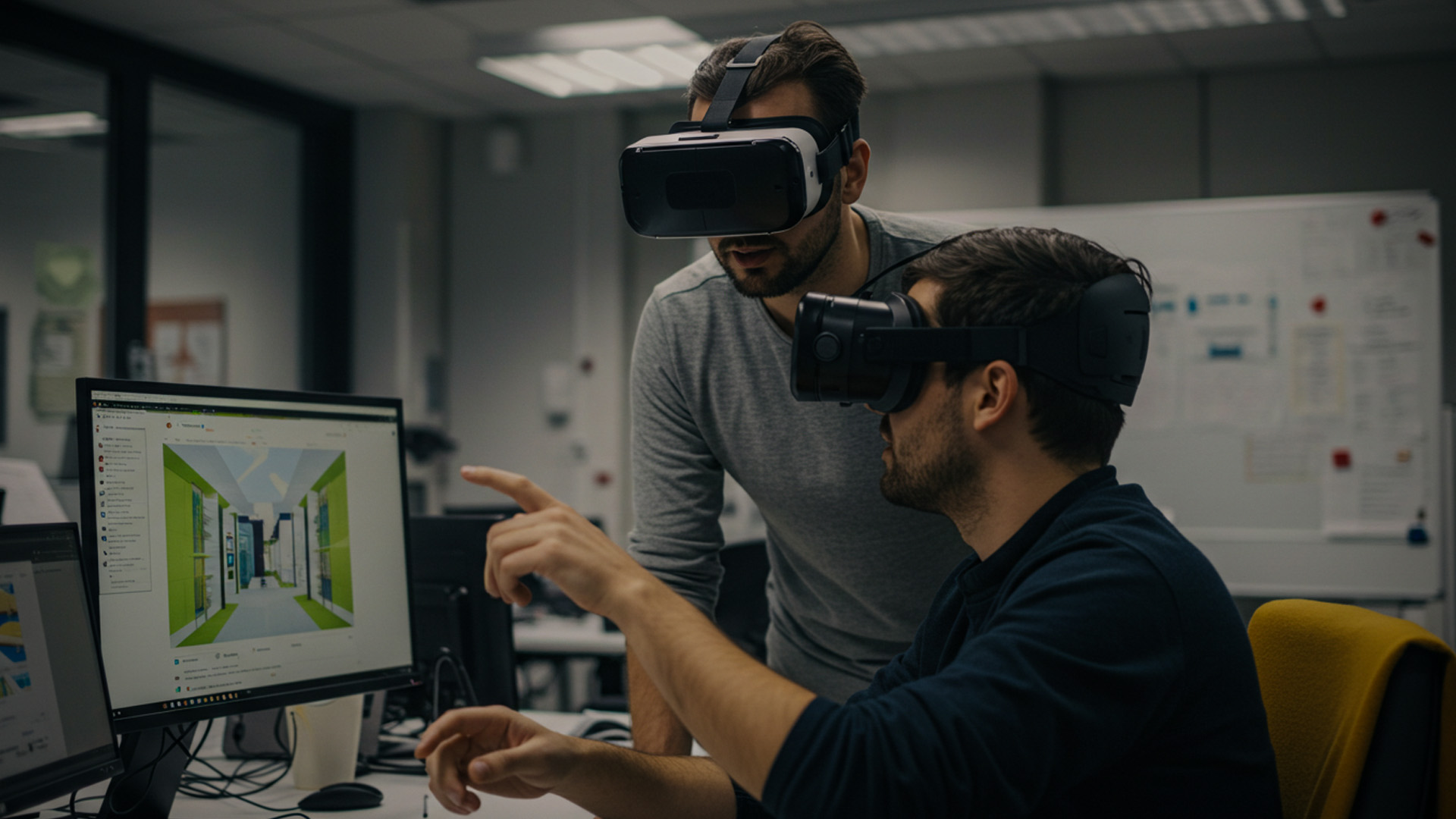
The Future Landscape of Event Engagement with VR
Emerging Trends and Technological Convergence
VR is evolving alongside:
- Artificial intelligence
- Haptic feedback systems
- Augmented reality integration
These technologies are merging into unified immersive ecosystems.
Expanding Beyond Traditional Event Boundaries
VR is reshaping events such as:
- Hybrid conferences
- Digital exhibitions
- Virtual festivals
This expands accessibility and engagement on a global scale.
Envisioning a Fully Immersive Social Sphere
The future of VR events involves fully immersive environments where:
- Users interact through personalized avatars
- Digital spaces evolve dynamically
- Global audiences participate simultaneously
This creates a unified and interactive social ecosystem.
Author: Elisha Roodt
South Africa's leading VR rental specialists, delivering high-impact immersive experiences for corporate events, trade shows, and brand activations nationwide.