
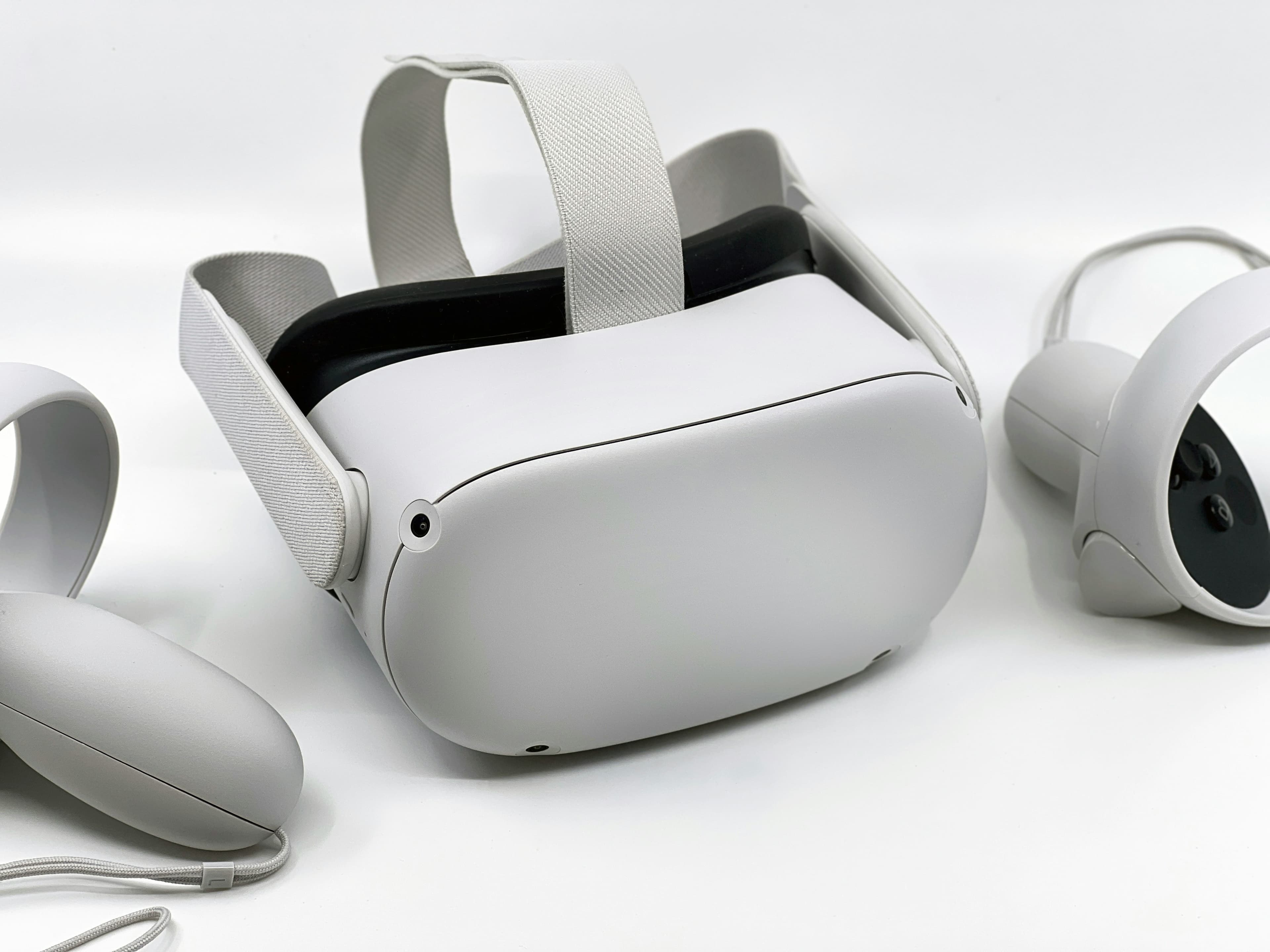
The Maintenance Reality of Large VR Headset Fleets
Managing VR headset fleets requires understanding wear, battery health, and replacement cycles to ensure peak performance and longevity.
The Maintenance Reality of Large VR Headset Fleets
Virtual reality has grown far beyond its early novelty status. What was once the domain of gaming enthusiasts is now central to corporate training, healthcare simulations, and large-scale immersive entertainment.
Organizations are investing heavily in VR fleets—dozens, hundreds, sometimes thousands of headsets—to deliver experiences that were unimaginable a decade ago.
Yet with scale comes complexity. Devices degrade physically, batteries weaken, and software drifts over time. Managing these factors is mission-critical to maintaining performance and user experience.
Device Wear: The Invisible Threat
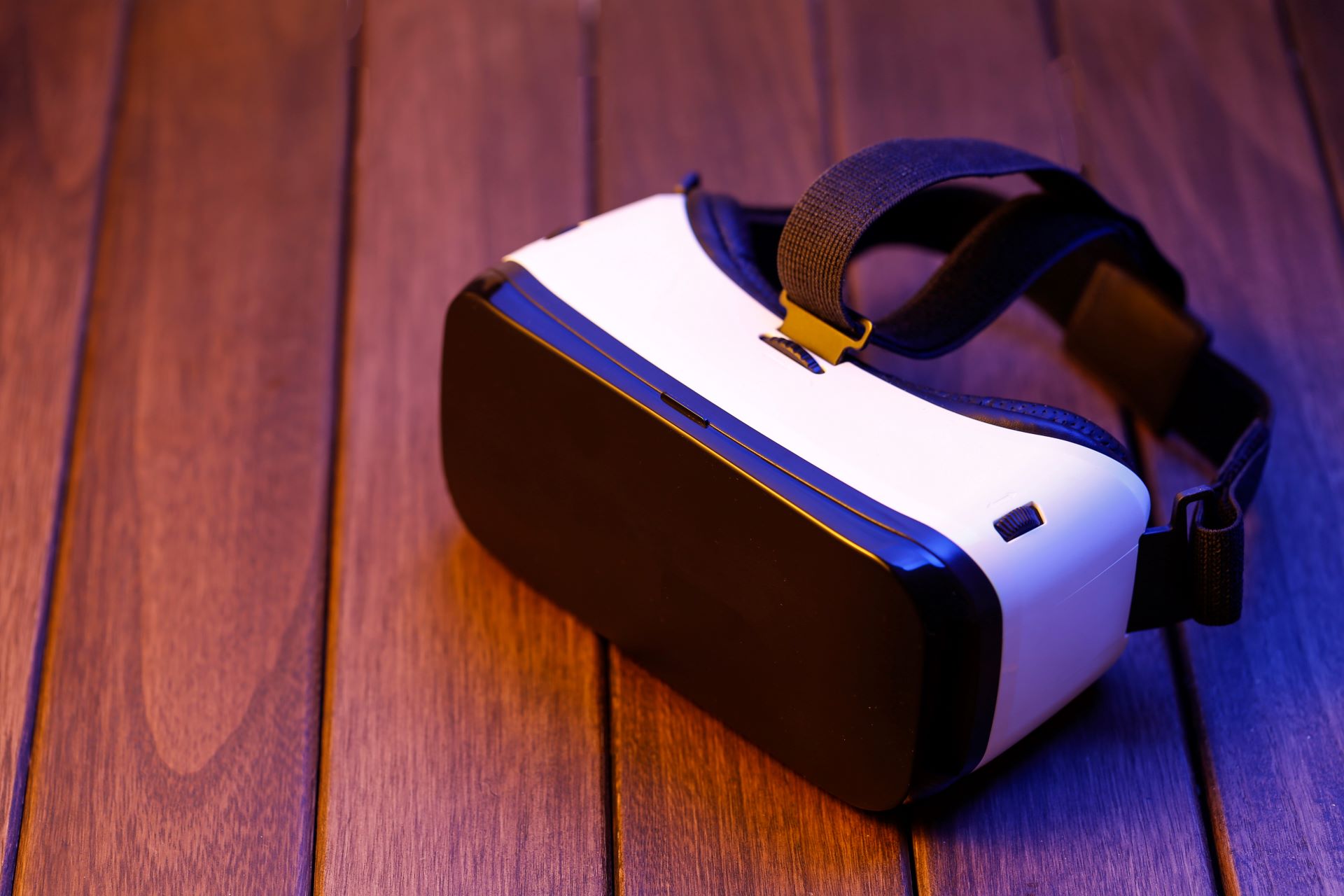
Physical degradation is one of the most immediate challenges in VR fleets.
Headsets experience:
- Foam padding compression
- Strap loosening
- Lens micro-abrasions
- General structural wear
Even small issues impact user experience, causing blur, discomfort, or motion sickness.
Hygiene is also a major concern in shared environments, where sweat and oils can affect sensors and internal components.
Environmental conditions such as dust, humidity, and heat further accelerate wear.
Preventive maintenance is essential:
- Cleaning after each session
- Controlled storage environments
- Rotating device usage
Batteries: The Lifeblood of VR Fleets
Battery degradation is a silent but critical issue.
Lithium-ion batteries naturally degrade over time, but usage patterns accelerate this process.
Common challenges include:
- Reduced runtime
- Increased charging frequency
- Heat-related degradation
Fleet managers rely on:
- Battery health dashboards
- Charge cycle tracking
- Temperature monitoring
Proper charging infrastructure is essential:
- Smart docking stations
- Controlled charging environments
- Avoiding overcharging and overheating
Staff training also plays a key role in extending battery lifespan.
Software and Firmware: The Hidden Layer
Maintenance is not only physical—software consistency is equally important.
Issues include:
- Tracking drift
- Firmware inconsistencies
- Calibration errors
- Connectivity issues
Managing large fleets requires:
- Staged updates
- Rolling deployment strategies
- Device version tracking
Regular calibration ensures stable tracking and consistent performance across all devices.

Replacement Cycles: Predicting the Inevitable
VR devices have a finite operational lifespan.
Typical replacement timelines:
- Foam interfaces: frequent replacement in high-use environments
- Batteries: ~12–18 months depending on usage
- Headsets: partial refresh every 18–24 months
Reactive replacement increases costs and downtime.
Proactive planning ensures:
- Budget predictability
- Continuous performance
- Reduced operational disruption
Fleet Management Best Practices
Effective VR fleet management includes:
- Routine inspections before and after use
- Cleaning and hygiene protocols
- Detailed maintenance logs
- Device rotation strategies
Centralized maintenance hubs improve efficiency by:
- Standardizing procedures
- Protecting equipment
- Enabling faster repairs and resets
Case Studies: Learning from Enterprise Deployments
Large-scale VR deployments have developed effective strategies:
Corporate Training
- Scheduled inspections every 6 weeks
- Disposable facial interfaces
- Reduced complaints and extended device lifespan
VR Arcades
- Modular replacement parts
- Swappable components (batteries, straps, lenses)
- Integrated maintenance tracking systems
Healthcare Simulations
- Strict calibration schedules
- Automated firmware updates
- Real-time performance monitoring
Scaling Maintenance for Growing Fleets
As fleets grow, maintenance becomes exponentially more complex.
Modern organizations use:
- Predictive analytics
- Usage tracking systems
- IoT environmental monitoring
This enables:
- Early failure detection
- Optimized replacement cycles
- Reduced downtime
Conclusion
Large VR headset fleets are powerful but not self-sustaining.
Without structured maintenance, performance declines quickly due to:
- Physical wear
- Battery degradation
- Software drift
- Environmental stress
Organizations that adopt predictive, structured maintenance systems achieve:
- Higher reliability
- Better user experiences
- Lower long-term costs
In VR, success is not only about immersion—it is about operational excellence behind the scenes.
Author: Elisha Roodt
South Africa's leading VR rental specialists, delivering high-impact immersive experiences for corporate events, trade shows, and brand activations nationwide.