

Events and Virtual Reality
In an age where digital experiences are reshaping every aspect of our lives, the events industry stands on the precipice of a profound...
The Evolution of Events with Virtual Reality
In an age where digital experiences are reshaping every aspect of our lives, the events industry is undergoing a major transformation.
Virtual Reality (VR) is not just a trend — it is a paradigm shift in how events are designed, delivered, and experienced.
Traditional events are giving way to immersive virtual environments that transcend physical limitations.
The Evolution of Events: From Traditional to Virtual Reality
How Event Planning Has Transformed Over the Decades
Event planning has evolved from simple logistics and venue coordination into a complex creative discipline.
Previously, success depended on:
- Physical attendance
- Venue selection
- On-site engagement
Then came digital evolution:
- Webinars
- Live streaming
- Hybrid events
Now VR is redefining everything entirely.
The Role of Technology in Modern Events
Technology has always influenced events, but VR is fundamentally different.
Instead of enhancing events, it:
- Replaces physical limitations
- Creates fully immersive environments
- Enables real-time interaction in virtual spaces
Attendees can now:
- Explore virtual venues
- Interact as avatars
- Engage with content dynamically
Virtual Reality: The Next Frontier in Events
VR is now expanding beyond gaming into:
- Corporate events
- Healthcare simulations
- Education
- Marketing and exhibitions
It enables:
- Immersive storytelling
- Product simulation experiences
- Global virtual attendance
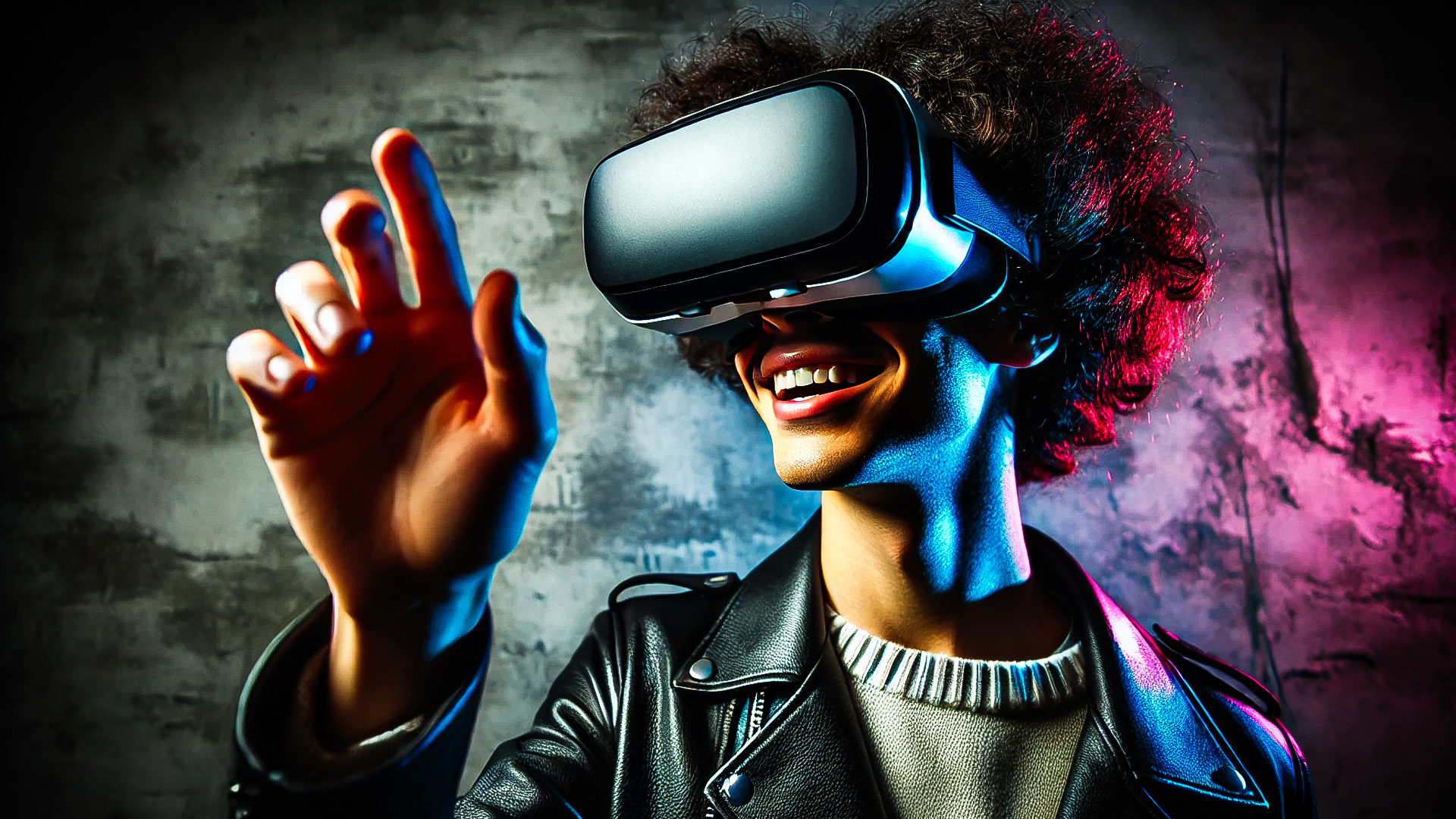
What is Virtual Reality and How Does It Work in Events?
Understanding Virtual Reality
Virtual Reality is a technology that creates simulated 3D environments where users can interact in real time.
In events, this allows:
- Virtual venues
- Interactive exhibitions
- Simulated product experiences
VR Hardware and Software
VR experiences rely on:
Hardware:
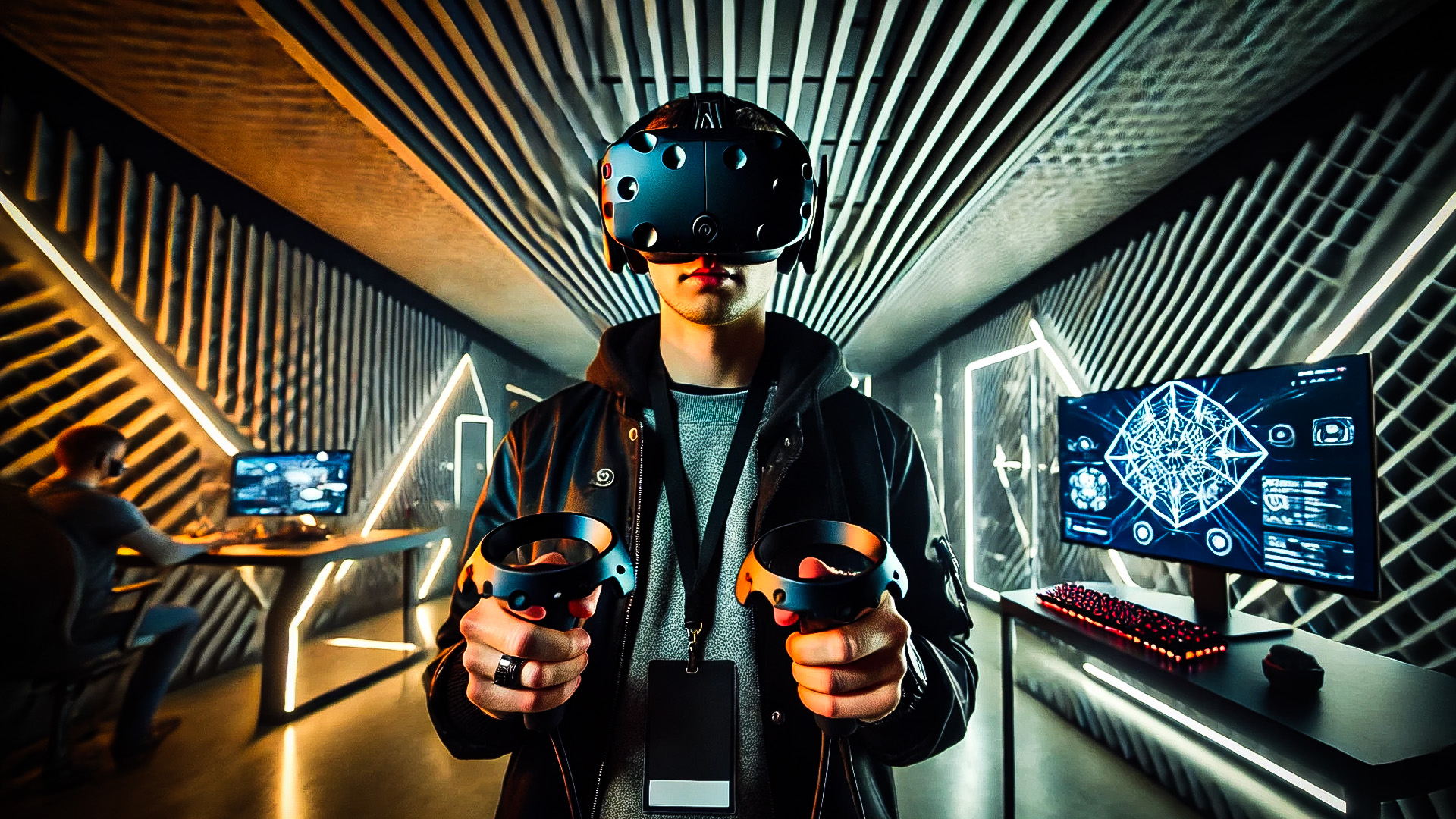
- VR headsets (Oculus Rift, HTC Vive, etc.)
- Motion controllers
- Tracking systems
Software:
- Unity
- Unreal Engine
- VR event platforms like VRChat and AltspaceVR
Case Studies: VR in Real Events
VR has already been successfully used in:
- Sundance Film Festival (immersive storytelling)
- CES (virtual product showcases)
These examples highlight VR’s versatility across industries.
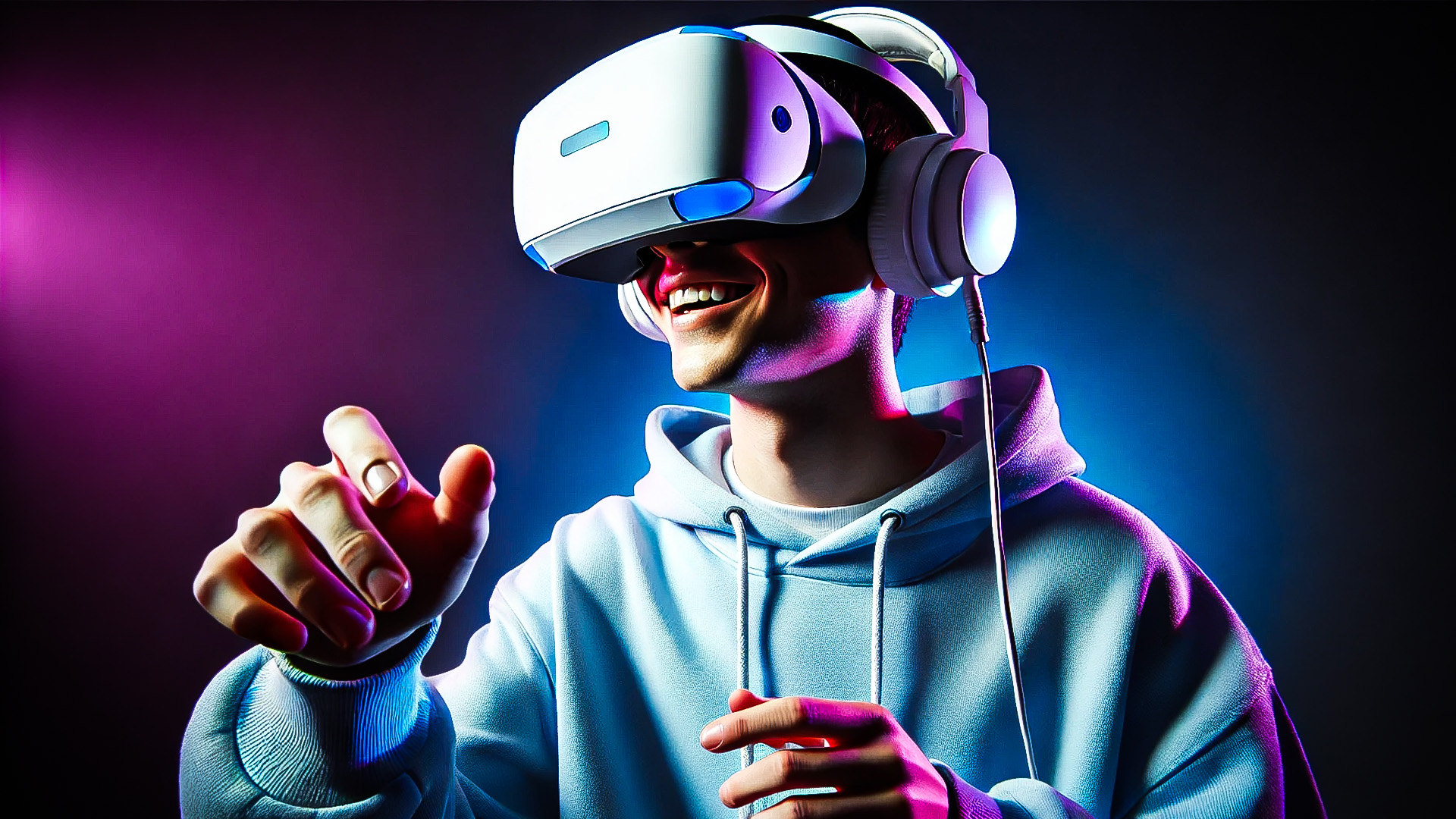
Enhancing Engagement with Virtual Reality
Immersive Environments
VR enables fully immersive worlds where attendees can:
- Explore virtual landscapes
- Experience branded environments
- Interact with digital products
Interactive Elements
VR transforms passive attendees into active participants through:
- Virtual workshops
- Collaborative simulations
- Interactive demonstrations
Personalized Experiences
VR allows tailored experiences based on user preferences:
- Custom environments
- Individual content journeys
- Adaptive interactions
VR for Event Marketing and Branding
Pre-Event Marketing
VR can be used to:
- Create teaser experiences
- Build anticipation
- Showcase event highlights
On-Site Activation
At events, VR can:
- Replace traditional product demos
- Create immersive brand worlds
- Engage visitors interactively
Post-Event Engagement
VR extends the event experience by:
- Offering virtual recaps
- Replaying key moments
- Providing interactive follow-ups
Challenges of Implementing VR in Events
Cost and Accessibility
- High development costs
- Equipment limitations
- Accessibility barriers for some users
Technical Requirements
- Hardware compatibility
- Event setup complexity
- Real-time system stability
Audience Readiness
- Some users are unfamiliar with VR
- Requires onboarding and guidance
- Needs user support systems
The Future of Events with Virtual Reality
Emerging Trends
- Hybrid VR + physical events
- Mixed reality experiences
- Global virtual attendance models
Future Predictions
- Fully virtual global events
- Immersive conferences and festivals
- Persistent digital event spaces
Preparing for the Future
Event organizers must:
- Adopt VR technologies early
- Partner with VR experts
- Invest in immersive infrastructure
Conclusion
Virtual Reality is redefining the events industry.
It enables:
- Immersive environments
- Interactive engagement
- Global accessibility
- Transformative experiences
The future of events is no longer physical — it is virtual, immersive, and limitless.
Author: Elisha Roodt
South Africa's leading VR rental specialists, delivering high-impact immersive experiences for corporate events, trade shows, and brand activations nationwide.