
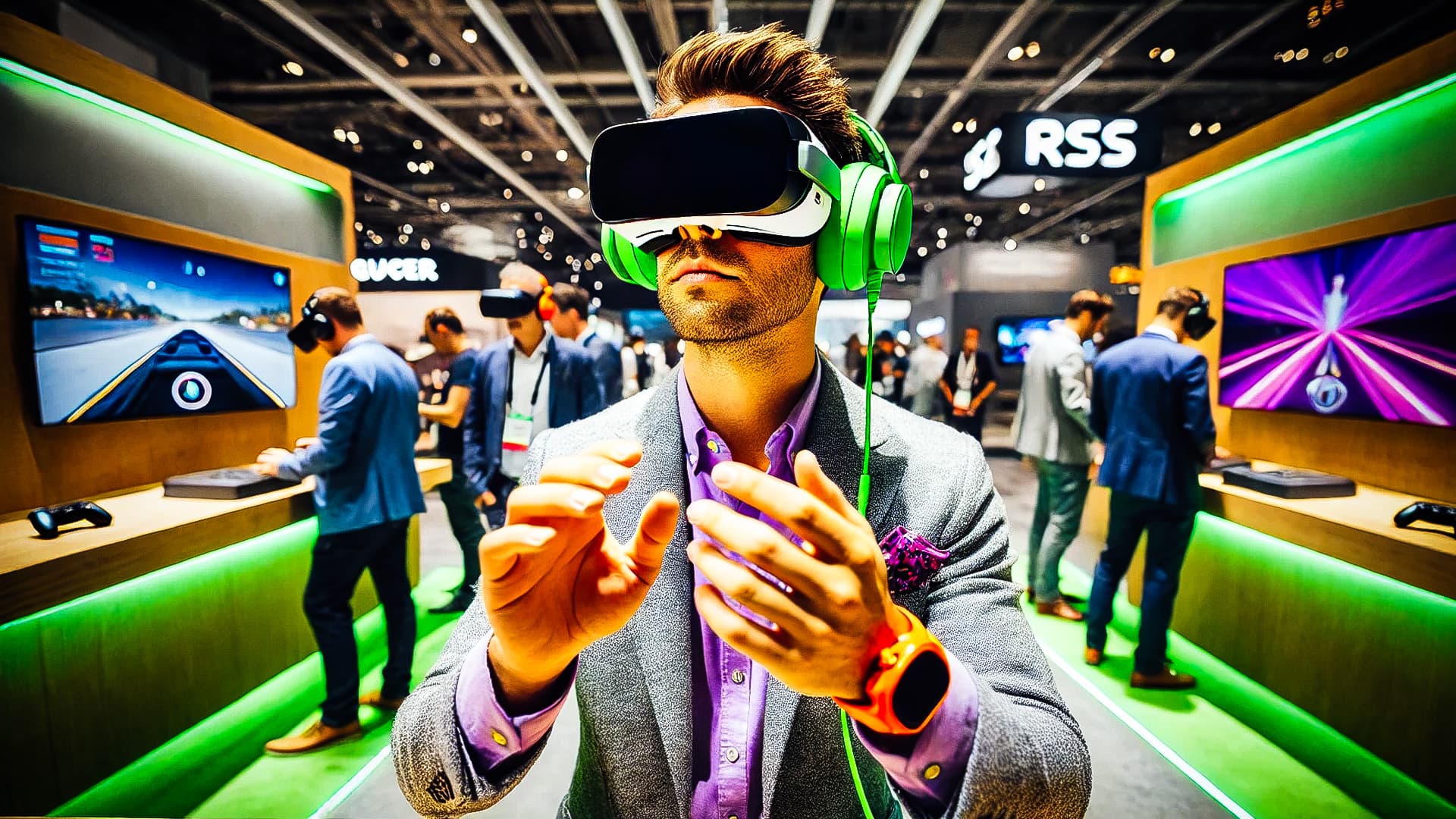
How Virtual Reality Can Enhance Your Next Event
The world of events is rapidly evolving, and at the forefront of this transformation is Virtual Reality (VR). No longer confined to the realms of...
The Growing Trend of Virtual Reality in Events
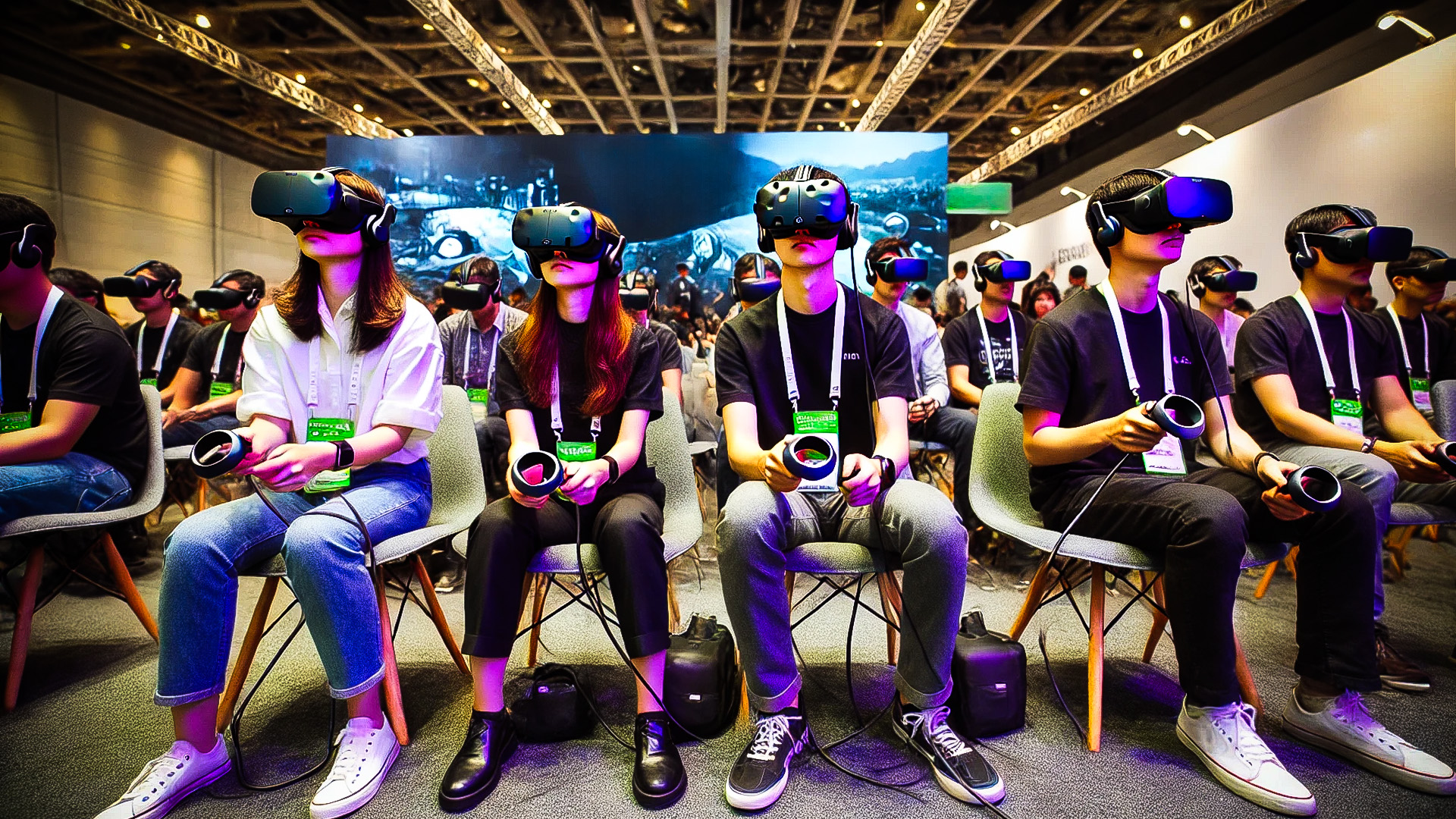
In recent years, VR has emerged as a powerful tool for event planners seeking to create unforgettable experiences. From corporate conferences to music festivals, VR is being used to transport attendees to new worlds, enhance participation, and provide interactive experiences that go beyond the physical limitations of traditional events. The growing popularity of VR in events is driven by its ability to offer something truly unique—an experience that blends the real with the virtual, creating a hybrid reality that resonates with attendees long after the event has ended.
Why VR is the Future of Event Planning
As technology continues to advance, VR is becoming more accessible and affordable, making it a viable option for event planners across the spectrum. Its potential to create immersive environments, personalize content, and engage attendees in ways that were previously unimaginable is transforming the way events are conceptualized and executed. VR offers the opportunity to elevate events beyond the ordinary, providing attendees with experiences that are not only memorable but also meaningful. For these reasons, VR is not just a trend; it is the future of event planning.
Understanding the Basics of Virtual Reality
What is Virtual Reality?
Virtual Reality is a simulated experience that can be similar to or completely different from the real world. It typically involves the use of VR headsets that immerse the user in a 3D environment, allowing them to interact with digital elements as if they were physically present. The essence of VR lies in its ability to create a sense of presence, where the user feels as though they have been transported to another place, whether it’s a conference room on the other side of the world or a fantastical landscape that defies the laws of nature.
Key Components of a VR Experience
A compelling VR experience hinges on several key components: the visual display, spatial audio, motion tracking, and haptic feedback. The visual display, delivered through VR headsets, provides a stereoscopic view that creates depth and realism. Spatial audio enhances this experience by simulating sound from various directions, making the virtual environment more immersive. Motion tracking allows the system to respond to the user’s movements, creating a dynamic and interactive experience. Finally, haptic feedback adds a tactile dimension, enabling users to “feel” the virtual objects they interact with, further blurring the line between reality and simulation.
How VR Differs from Other Event Technologies
Unlike other event technologies such as augmented reality (AR) or live streaming, VR creates a fully immersive environment that can completely transport attendees away from their current surroundings. While AR overlays digital content onto the real world, VR builds an entirely new reality from the ground up. This full immersion offers a level of engagement that is unparalleled, as attendees are not just passive observers but active participants in the virtual environment. VR also differs in its ability to provide shared experiences, allowing multiple users to interact within the same virtual space, making it ideal for collaborative events and team-building exercises.
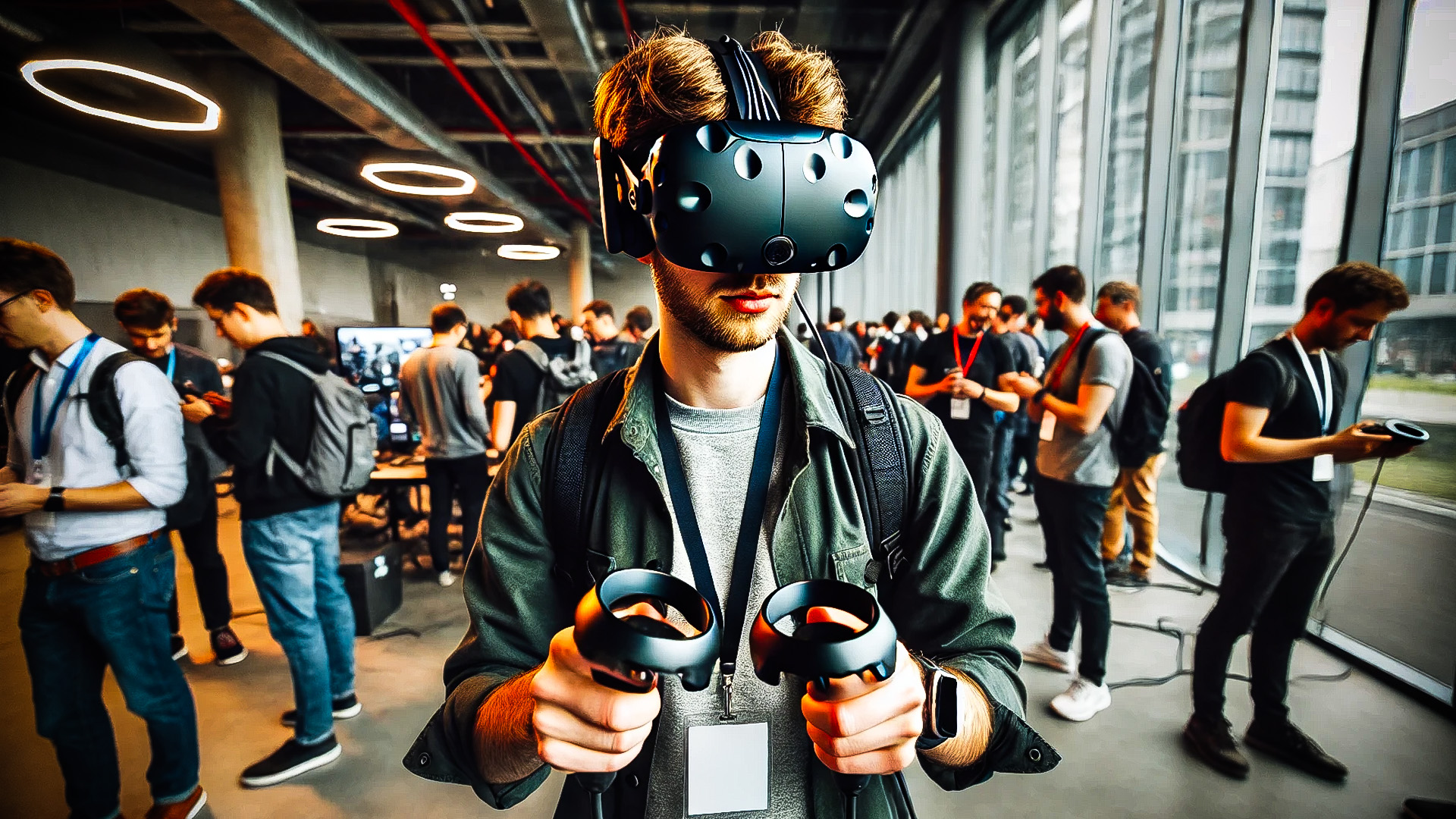
Transforming Event Experiences with VR
Immersive Environments: Transporting Attendees to New Worlds
One of the most compelling aspects of VR is its ability to create immersive environments that can transport attendees to places they’ve never been—or even imagined. Whether it’s a virtual tour of a remote location, a walk through a historical reenactment, or an exploration of a futuristic city, VR allows event organizers to break free from the constraints of the physical world. These immersive experiences can be used to enhance thematic elements of an event, creating a cohesive narrative that engages attendees on multiple sensory levels.
Interactive Engagement: Creating Memorable Experiences
VR’s interactive capabilities are a game-changer for event engagement. By allowing attendees to interact with the virtual environment, VR turns passive spectators into active participants. This interactivity can take many forms, from simple gestures like reaching out to touch a virtual object, to more complex interactions like navigating through a virtual space or collaborating with others in real-time. The result is a more memorable and impactful experience, as attendees are not just watching—they are doing. This active engagement can lead to deeper connections with the content and a more lasting impression of the event.
Personalized Content: Tailoring VR to Individual Preferences
One of the key advantages of VR is its ability to deliver personalized content to each attendee. Through data collection and analysis, VR systems can tailor experiences based on individual preferences, interests, and behaviors. For example, at a trade show, an attendee might be guided through a virtual exhibit that highlights products and services relevant to their industry. In a conference setting, VR could offer personalized breakout sessions that align with the attendee’s professional development goals. This level of personalization ensures that each attendee’s experience is unique, enhancing their satisfaction and increasing the likelihood of a positive event outcome.
Enhancing Audience Interaction and Participation
Gamification in VR: Making Events Fun and Competitive
Gamification is a powerful tool for driving engagement, and when combined with VR, it becomes even more effective. By incorporating game-like elements into the VR experience, event organizers can create a sense of competition and fun that motivates attendees to participate.
Networking in Virtual Spaces: Building Connections Beyond Physical Boundaries
VR provides a unique platform for building connections in a way that transcends physical boundaries. Attendees can meet others globally in shared virtual environments, participate in structured meetings, or engage in informal networking spaces.
Live Polling and Q&A Sessions: Boosting Real-Time Engagement
Live interaction tools in VR increase engagement and allow real-time feedback, making events more dynamic and responsive.
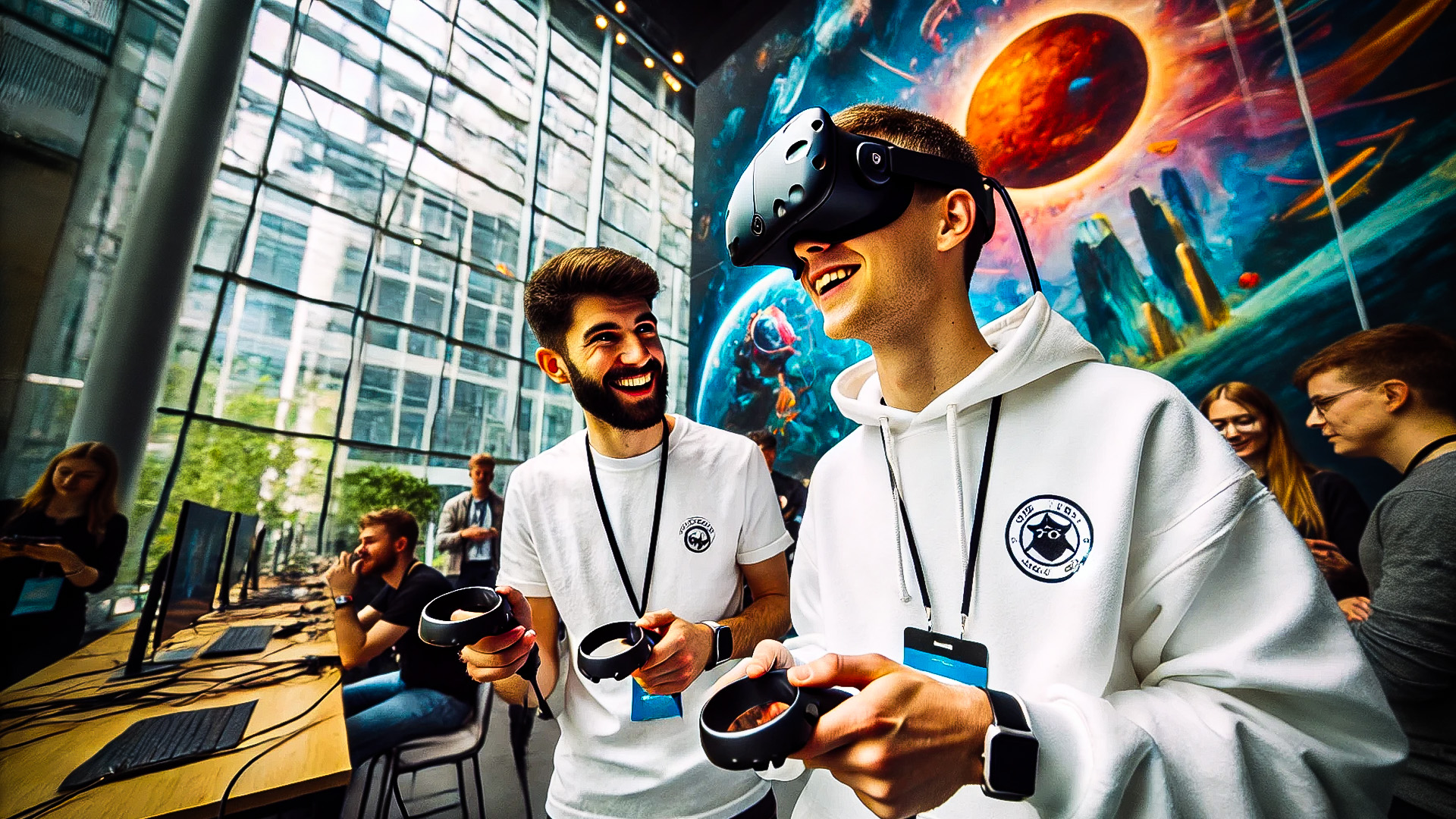
Cost-Effective Solutions for Event Planners
VR as a Budget-Friendly Option
VR reduces costs by eliminating travel, physical setups, and logistics while allowing scalable virtual environments.
Scaling Up or Down
VR environments can be adjusted for small meetings or large global conferences with ease.
Maximizing ROI
VR improves engagement, data collection, and conversion rates, improving overall event performance.
Virtual Reality for Different Types of Events
Corporate Events
VR enhances branding, training, and immersive product demonstrations.
Conferences and Trade Shows
VR booths attract attention and increase engagement.
Product Launches
VR allows immersive product exploration in controlled virtual environments.
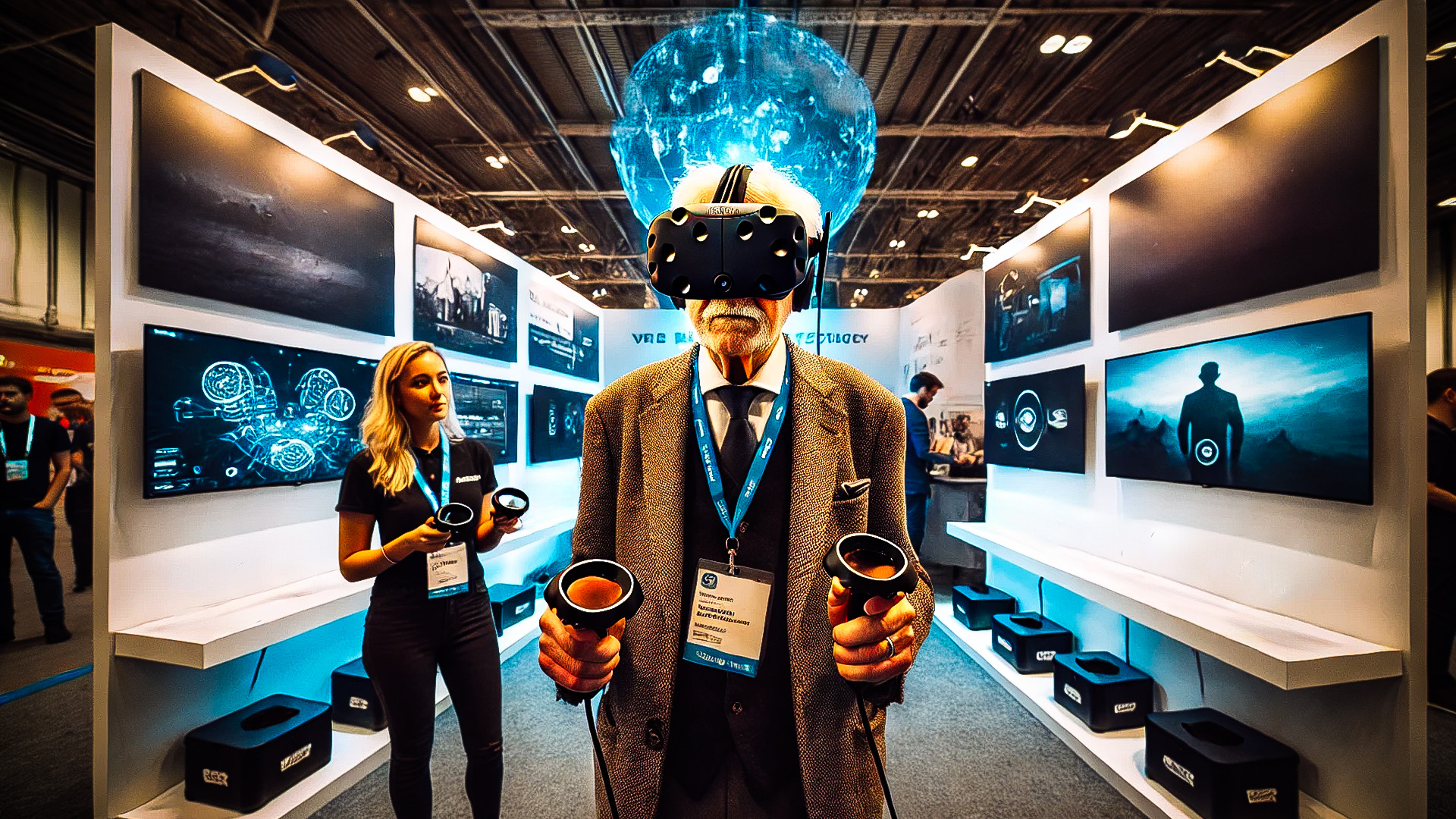
Overcoming Challenges with Virtual Reality in Events
Accessibility and Inclusivity
Ensuring VR is accessible to all users, including those without headsets or with disabilities.
Technical Considerations
Requires testing, support, and stable hardware setup.
Common Pitfalls and How to Avoid Them
Motion sickness, technical issues, and low engagement can be avoided through planning and testing.
The Future of Events is Virtual
VR is becoming central to modern event experiences, shaping the future of engagement.
Why You Should Consider VR for Your Next Event
VR helps create immersive, memorable, and cost-effective event experiences.
Taking the First Steps Towards a VR-Enhanced Event
Start by identifying goals, choosing VR experiences, and planning implementation.
Author: Elisha Roodt
South Africa's leading VR rental specialists, delivering high-impact immersive experiences for corporate events, trade shows, and brand activations nationwide.