

How VR Transforms SA Brands
As the digital landscape evolves, brands across the globe are exploring new ways to engage with their audiences, and South Africa is no exception...
The Rise of Virtual Reality Events in South Africa
As the digital landscape evolves, brands across the globe are exploring new ways to engage with audiences — and South Africa is no exception.
Virtual Reality (VR) events are rapidly emerging as a powerful tool for brand communication, offering immersive experiences that traditional media cannot match.
This shift is redefining how brands build loyalty, communicate value, and engage audiences in both consumer and business environments.
The Rise of Virtual Reality in South Africa
Exploring the Growth of VR Adoption Among South African Businesses
Virtual Reality technology has moved beyond novelty and is now a core part of innovative business strategies in South Africa.
Companies across industries — from retail to startups — are using VR to:
- Enhance customer engagement
- Improve training experiences
- Deliver interactive product launches
The adoption of VR shows a clear shift from experimentation to strategic implementation.
Businesses are no longer asking if they should use VR, but how quickly they can implement it.
Why South Africa is Poised for a VR Revolution
South Africa is uniquely positioned for VR growth due to:
- A young, tech-savvy population
- Strong growth in digital innovation sectors
- Government support for digital transformation
- Opportunities for localized cultural experiences
Industries like tourism, education, and retail are leading early adoption.
The Role of Technology and Innovation in Local Markets
South Africa’s technology ecosystem is rapidly expanding, driven by startups and innovation hubs.
Key drivers include:
- Mobile VR advancements
- Expansion of 5G networks
- Lower hardware costs
- Increased access to immersive tools
These factors are making VR more accessible and commercially viable.
Changing the Way Brands Engage with Audiences
From Physical to Virtual: Creating Immersive Brand Experiences
VR removes physical limitations of traditional events.
It enables users to:
- Explore branded environments
- Interact with 3D products
- Attend virtual experiences from anywhere
This creates deeper engagement and stronger emotional connections.
How VR Events Deepen Customer Engagement and Loyalty
VR increases engagement through interaction.
Examples include:
- Virtual product trials
- Gamified brand experiences
- Personalized environments
These experiences strengthen brand recall and loyalty.
Bridging the Gap Between Online and Offline Brand Interactions
VR connects digital and physical experiences seamlessly.
For example:
- A user attends a virtual launch
- Then visits a physical store to purchase
This creates a unified brand journey across channels.

Cost-Effective Marketing with Immersive Impact
Lowering Event Overheads Without Sacrificing Experience
VR reduces costs associated with:
- Venue hire
- Travel
- Logistics
- Physical setup
This allows brands to reinvest savings into richer digital experiences.
Maximizing Brand Visibility with VR Campaigns
VR experiences are highly shareable.
Benefits include:
- Organic social media exposure
- Increased brand reach
- Real-time engagement insights
User-generated content amplifies campaign impact significantly.
How VR Provides Long-Term Value for South African Companies
VR assets can be reused across multiple campaigns.
This includes:
- Virtual environments
- 3D product models
- Training simulations
This increases ROI and reduces long-term production costs.
Tailoring VR Events for the South African Market
Addressing Local Consumer Preferences and Cultural Diversity
South Africa’s diversity requires localized VR experiences.
Effective strategies include:
- Local languages
- Cultural storytelling
- Familiar visual environments
This increases relatability and engagement.
Customizing Virtual Spaces to Reflect Brand Identity
VR allows full creative control over environments.
Brands can design:
- Corporate showrooms
- Nature-inspired spaces
- Futuristic digital environments
This strengthens brand identity and storytelling.
Case Studies: South African Brands Winning with VR
Industries already using VR successfully include:
- Retail: Virtual showrooms
- Real estate: Property walkthroughs
- Tourism: Destination previews
These applications improve engagement and increase conversions.
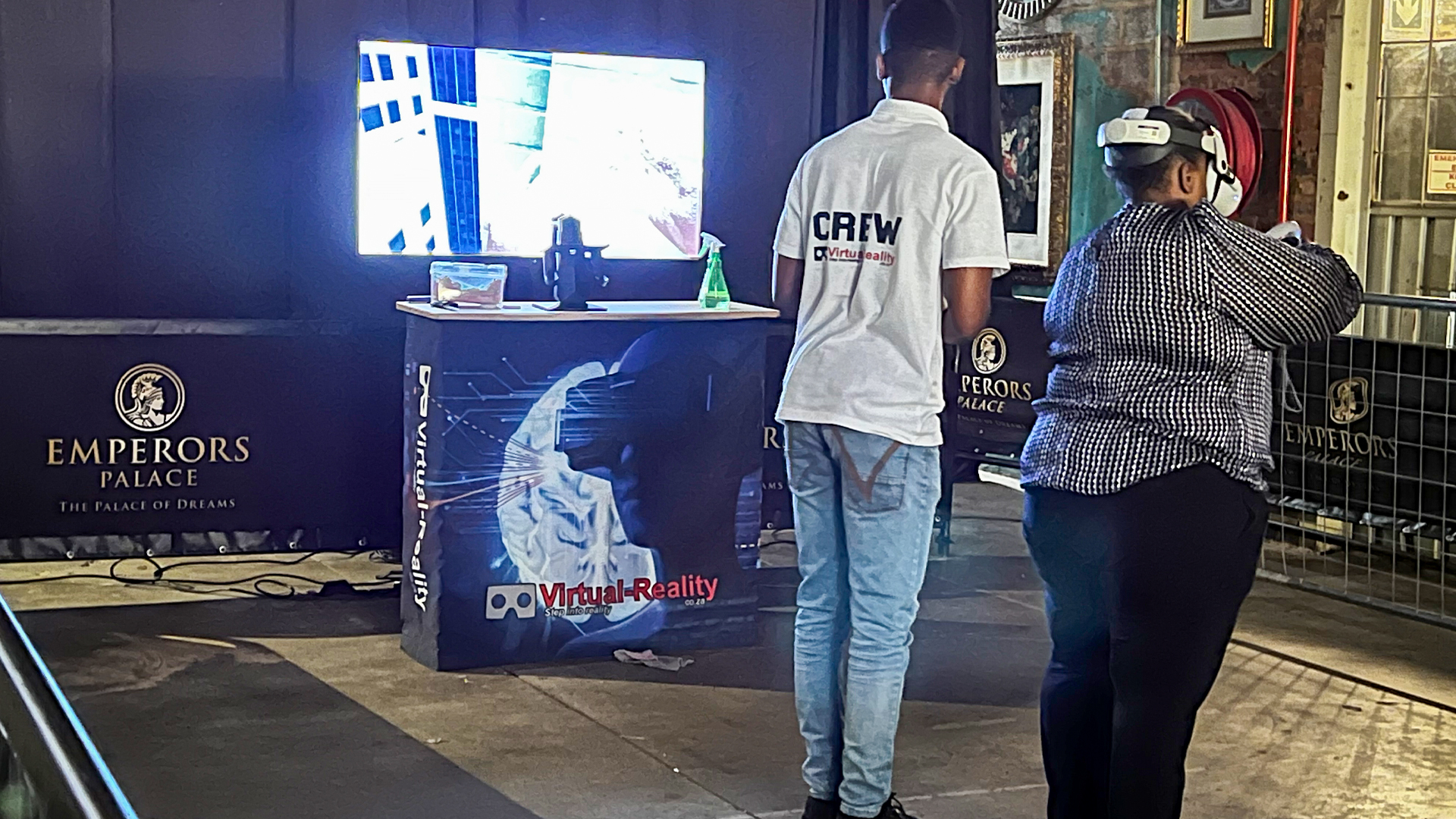
The Future of Networking and Collaboration Through VR Events
How Brands Can Build Partnerships and Collaborate in VR
VR enables:
- Joint brand activations
- Virtual co-hosted events
- Shared audience experiences
This enhances collaboration and expands reach.
Enhancing B2B Opportunities with Virtual Platforms
VR supports B2B interactions such as:
- Virtual trade shows
- Remote meetings
- Product demonstrations
This reduces travel costs and increases global accessibility.
Virtual Conferences: Connecting South African Brands Globally
Virtual conferences allow South African companies to:
- Showcase expertise globally
- Build international networks
- Strengthen brand authority
Measuring Success in VR Events and Brand Performance
Key Metrics to Track ROI of VR Events
Important metrics include:
- Engagement time
- Interaction rates
- Conversion rates
- Social shares
- User participation levels
Using Data Insights to Refine Future Strategies
VR generates valuable behavioral data.
Brands can use it to:
- Improve future event design
- Optimize engagement elements
- Personalize experiences
The Role of Customer Feedback in VR Optimization
Customer feedback helps identify:
- What worked well
- What needs improvement
- User experience gaps
This ensures continuous improvement of VR experiences.
Challenges and Solutions for VR Adoption in South Africa
Overcoming Technical Barriers and Access Issues
Challenges include:
- Hardware availability
- Internet connectivity
- Device limitations
Solutions:
- Mobile VR compatibility
- Hybrid event models
- Affordable VR deployment strategies
Ensuring Inclusivity Across Consumer Segments
Inclusive VR design should include:
- Multilingual support
- Simple navigation
- Accessible interfaces
Supporting Brands with Training and VR Expertise
Successful VR adoption requires:
- Staff training
- Technical expertise
- Strategic implementation support
Conclusion: The Future of VR in South African Brand Experiences
Virtual Reality is transforming how South African brands engage with audiences.
As adoption increases, VR will become a core part of:
- Marketing strategies
- Events and activations
- Customer engagement systems
Brands that embrace VR early will lead the next wave of digital innovation.
Author: Elisha Roodt
South Africa's leading VR rental specialists, delivering high-impact immersive experiences for corporate events, trade shows, and brand activations nationwide.