
How Virtual Reality Rentals Can Enhance Virtual Tours and Tourism Events
The Evolution of Tourism Through Technology Tourism has always been about discovery. From ancient explorers charting unknown territories to modern...
The Evolution of Tourism Through Technology
Tourism has always been about discovery. From ancient explorers to modern travelers, the desire to experience new places is deeply rooted in human nature.
However, technology has dramatically reshaped how we explore the world.
One of the most transformative innovations is Virtual Reality (VR), which allows people to experience destinations before physically visiting them.
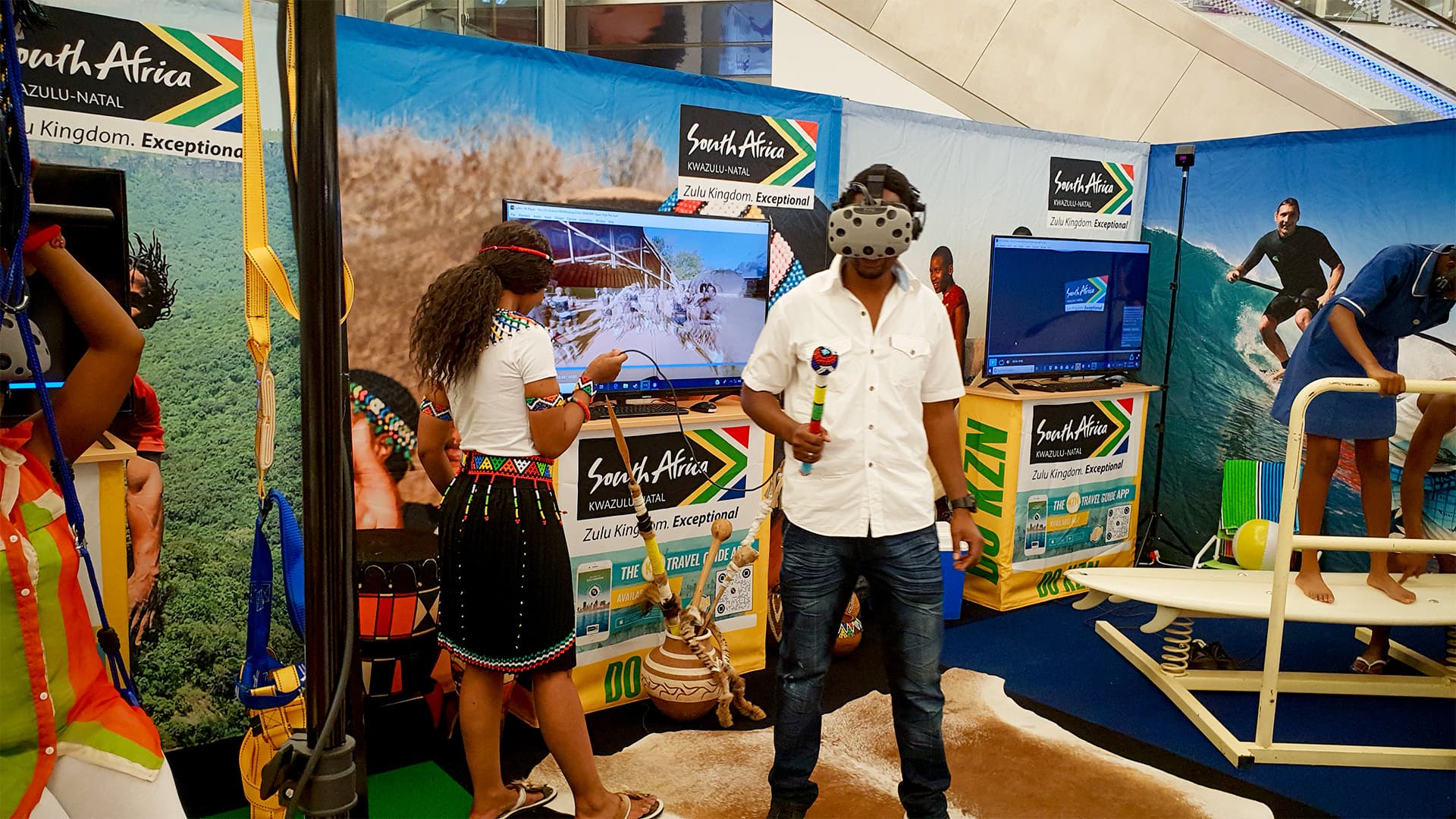
VR rentals are increasingly used at tourism expos and events to:
- Transport attendees to global destinations
- Showcase travel experiences in immersive formats
- Enhance destination marketing
From Venice’s waterways to Namibia’s deserts, VR creates powerful, interactive previews of real-world travel.
Virtual Tours: Bringing Destinations to Life
Traditional travel is limited by time, cost, and logistics.
Virtual tours remove these barriers by allowing users to:
- Explore global landmarks
- Visit museums and cultural sites
- Experience natural wonders
Unlike passive media, VR tours offer interactive exploration from a first-person perspective.
Users can:
- Look around freely
- Move through environments
- Interact with digital elements
This creates a sense of presence that deeply enhances engagement.
The Role of VR Rentals in Tourism Events
Tourism events rely heavily on engagement and experience.
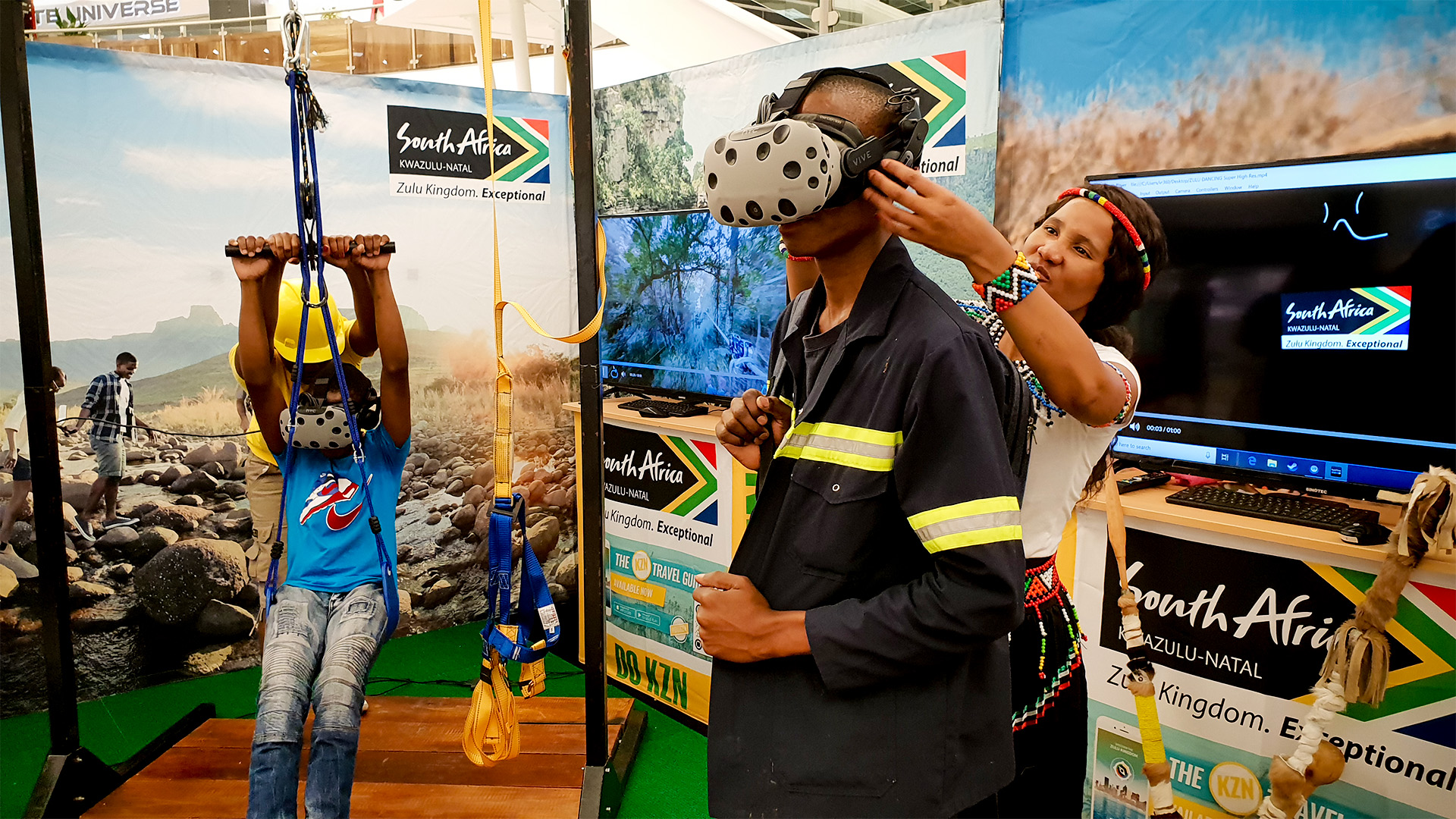
VR rentals improve these events by:
- Turning passive viewing into active participation
- Offering immersive destination previews
- Enhancing visitor engagement at expos
They are also:
- Cost-effective
- Flexible for different event sizes
- Easily integrated into hybrid events
VR experiences can be tailored to audience groups:
- Adventure tours for younger audiences
- Cultural and historical experiences for general visitors
Creating a Virtual Tour Experience with VR Rentals
Building a successful VR tourism experience requires planning and strategy.
Key elements include:
- Understanding the destination narrative
- Designing immersive environments
- Collaborating with content creators and experts
Choosing the Right VR Equipment
Equipment selection depends on event size and audience:
- Standalone headsets (e.g. Oculus Quest) for smaller setups
- High-performance tethered systems for large-scale events
Other considerations:
- Comfort
- Accessibility
- Ease of use
Enhancing Virtual Tours with Immersive Content
High-quality VR experiences often include:
- 360° video environments
- Photorealistic digital landscapes
- Interactive hotspots
- Audio narration and storytelling
- Gamified exploration elements
This combination enhances emotional engagement and realism.

Engaging Tourists with Immersive Event Activations
VR transforms tourism booths into interactive experiences.
Instead of brochures and screens, attendees can:
- Explore destinations in real time
- Experience immersive simulations
- Engage emotionally with travel content
Examples include:
- Virtual kayaking in Norway
- Walking through Petra
- Exploring cultural landmarks
This creates stronger travel intent and emotional connection.
Increasing Accessibility and Expanding Reach
VR makes tourism more inclusive by removing barriers such as:
- Travel costs
- Physical limitations
- Geographic restrictions
Benefits include:
- Global access to tourism experiences
- Remote participation in events
- Inclusive travel exploration for all users
This helps democratize tourism and expand audience reach.
The Impact on Event Success and Visitor Satisfaction
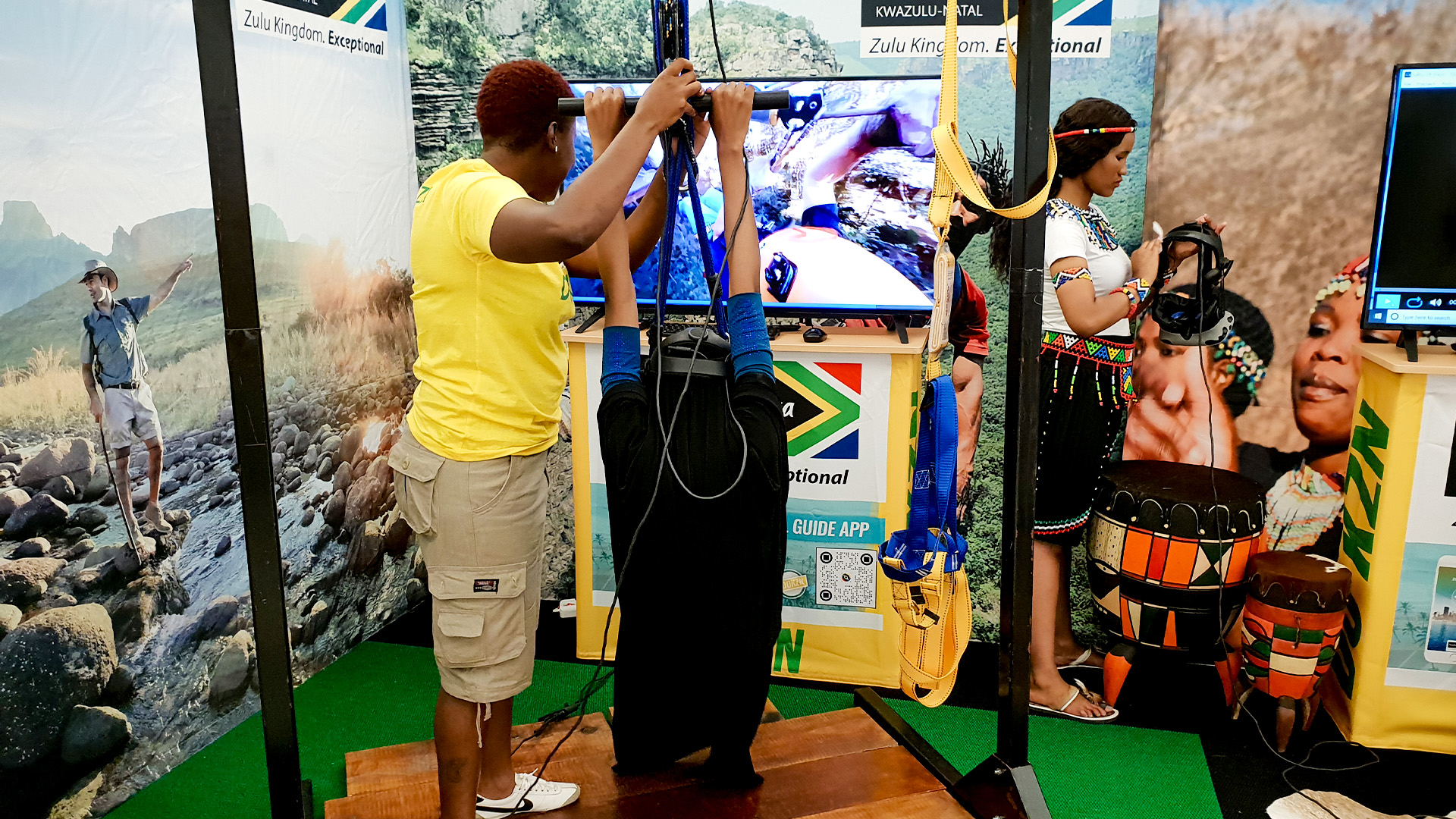
Events using VR consistently show:
- Higher engagement rates
- Increased visitor satisfaction
- Stronger emotional connections to destinations
VR encourages users to:
- Spend more time engaging at booths
- Interact with travel representatives
- Share experiences with others
This leads to higher conversion rates and travel interest.
Why Virtual Reality Rentals Are the Future of Tourism
The tourism industry is shifting toward immersive digital experiences.
VR rentals enable:
- Destination exploration from anywhere
- Emotional engagement with locations
- Inclusive and accessible travel experiences
As VR technology evolves, tourism marketing will become more:
- Interactive
- Personalized
- Experience-driven
VR is not replacing travel — it is enhancing how people discover it.
Author: Elisha Roodt
South Africa's leading VR rental specialists, delivering high-impact immersive experiences for corporate events, trade shows, and brand activations nationwide.