

The Game-Changing Impact of VR and AR in Sports Training
The world of sports is undergoing a profound transformation, driven by advancements in virtual reality (VR) and augmented reality (AR). These...
The Future of Sports Training with VR and AR
The world of sports is undergoing a profound transformation driven by Virtual Reality (VR) and Augmented Reality (AR).
These immersive technologies are no longer just entertainment tools — they are now central to how athletes train, recover, and perform.
AR and VR for Team Collaboration and Strategy Development
VR and AR are reshaping athletic preparation by enabling:
- Hyper-realistic training simulations
- Reduced injury risk during practice
- Enhanced mental preparedness
- Improved team coordination
Athletes can now train in controlled virtual environments that replicate real-world pressure without physical strain.
The Rise of VR and AR Technologies in Athletics
A Brief History of VR and AR in Sports
VR and AR originated in gaming and entertainment but quickly expanded into:
- Military training
- Aviation simulations
- Medical practice
- Sports performance training
Early adoption in sports began in the 2000s, particularly in American football and motorsports.
From Entertainment to Professional Training Tools
What was once entertainment technology is now a professional training asset.
VR enables athletes to:
- Repeat scenarios safely
- Practice decision-making under pressure
- Improve technique consistency
AR enhances real-world training by overlaying:
- Performance metrics
- Real-time feedback
- Biometric data
Why the Sports Industry is Embracing Immersive Technologies
The sports industry adopts VR and AR because they provide:
- Precision training environments
- Reduced physical wear and tear
- Customizable simulations
- Real-time performance analytics

Enhancing Athlete Performance with Immersive Training
VR and AR help athletes improve:
- Reaction time
- Tactical awareness
- Mental resilience
- Physical precision
Simulating Real-World Scenarios for Tactical Improvement
Virtual Match Situations
Athletes can rehearse entire matches in VR, allowing them to:
- Practice strategies repeatedly
- Experience pressure scenarios safely
- Improve decision-making speed
How AR Brings Real-Time Data into Practice Sessions
AR overlays real-time metrics such as:
- Speed
- Heart rate
- Movement accuracy
This allows instant correction and optimization during training.
Perfecting Reaction Times with Virtual Opponents
VR enables athletes to:
- Train against simulated opponents
- Improve reflex speed
- Adapt to unpredictable scenarios
Reducing Injury Risk and Optimizing Recovery
Virtual Rehabilitation
VR assists recovery by allowing:
- Controlled movement training
- Gradual rehabilitation progression
- Reduced physical strain
Monitoring Injury Progress with AR Overlays
AR helps track:
- Range of motion
- Muscle response
- Recovery progress
VR-Assisted Therapy
VR creates safe rehab environments that:
- Simulate sports movements
- Reduce reinjury risk
- Improve recovery engagement
Lowering Injury Risk Through Pre-Season VR Conditioning
Athletes can prepare mentally and tactically before physical training begins.
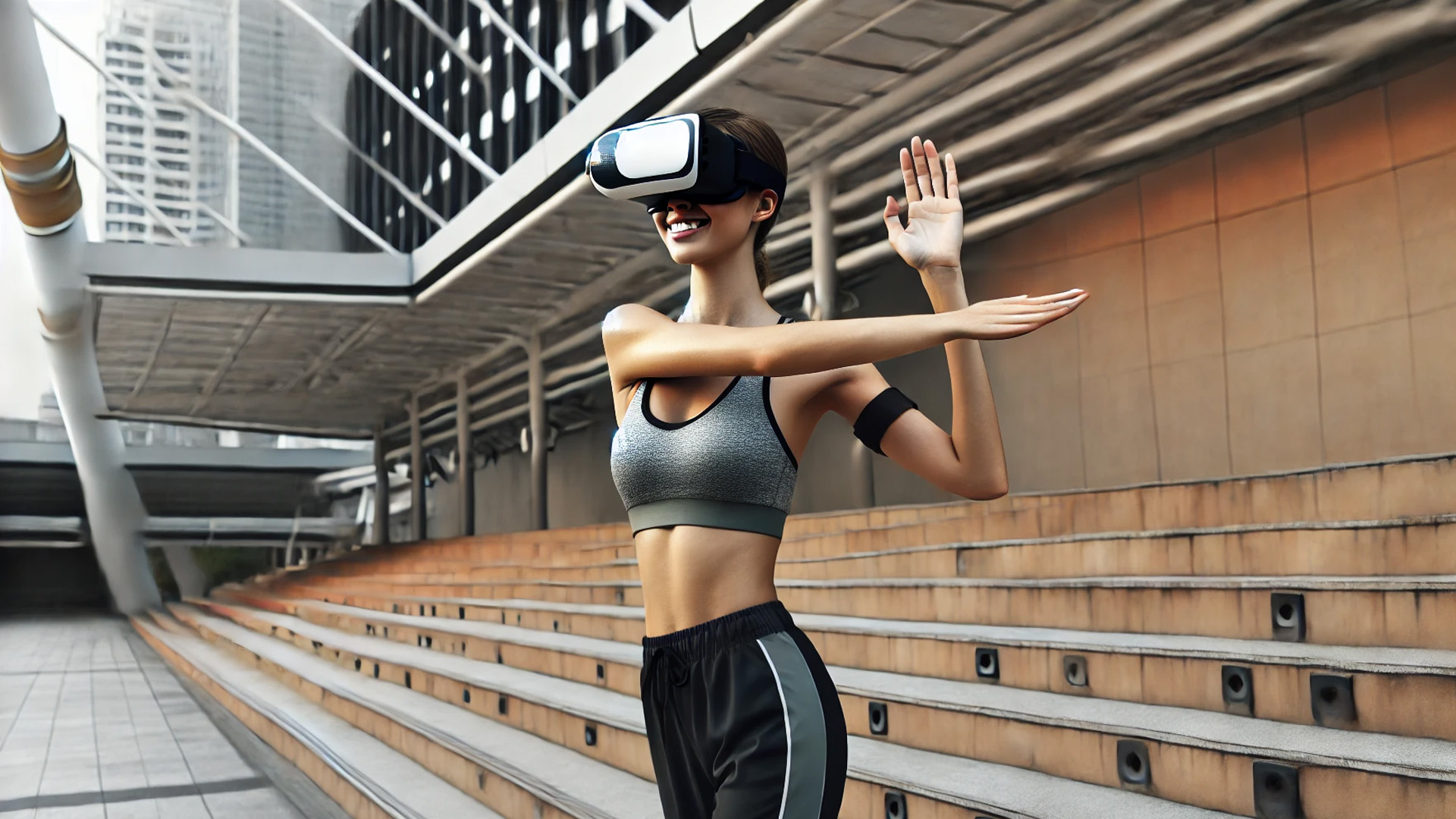
Boosting Mental Preparedness with VR
Overcoming Performance Anxiety
VR allows athletes to:
- Rehearse pressure situations
- Build confidence
- Reduce competition anxiety
Mental Rehearsal in VR
Athletes can mentally simulate:
- Game strategies
- Decision pathways
- High-pressure moments
Building Confidence in Unfamiliar Environments
AR and VR replicate stadiums and arenas to:
- Reduce unfamiliarity stress
- Improve adaptability
Improving Focus Through Virtual Scenarios
Repeated exposure to distractions helps athletes maintain concentration under pressure.
Team Collaboration and Strategy Development
Virtual Team Huddles
Teams can:
- Train remotely
- Collaborate in real time
- Maintain tactical consistency
Visualizing Team Tactics
VR allows 360° tactical analysis from multiple angles.
Enhancing Communication with AR
Coaches can overlay:
- Play diagrams
- Tactical instructions
- Movement paths
Virtual Walkthroughs for Team Bonding
Teams improve cohesion by rehearsing together in shared virtual environments.
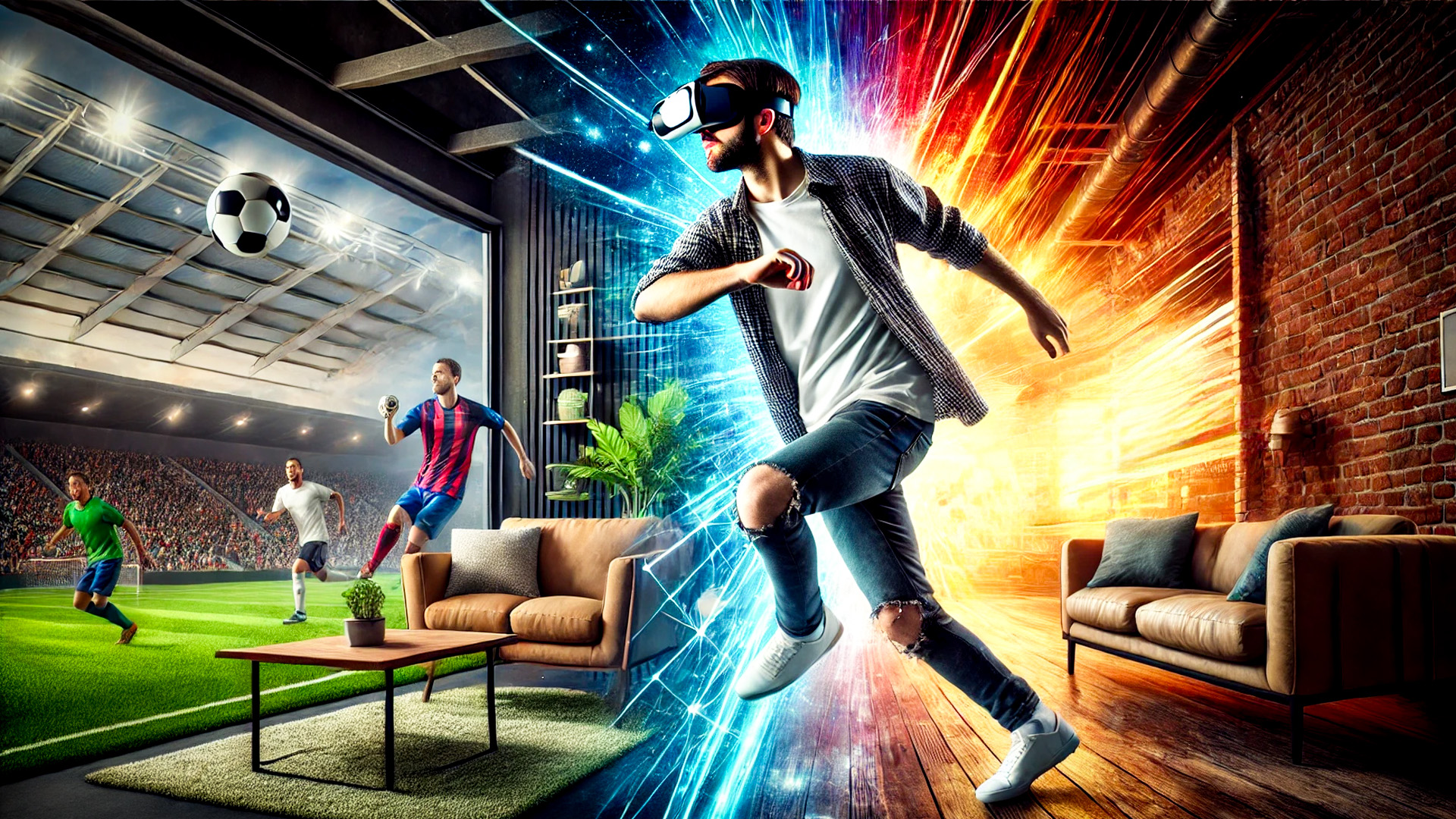
Training the Next Generation of Athletes
Virtual Camps
VR enables:
- Equal access to elite training
- Remote coaching opportunities
- Scalable athlete development
AR in Youth Training
AR accelerates learning by providing:
- Real-time feedback
- Skill correction
- Performance guidance
Immersive Coaching
Coaches can deliver:
- Personalized feedback
- Real-time corrections
- Adaptive training plans
Making Elite Training Accessible
VR and AR democratize high-performance sports training globally.
The Future of Sports Training with VR and AR
AI and Data Integration
AI enhances VR training by:
- Analyzing performance data
- Personalizing training programs
- Predicting athlete outcomes
AI-Powered Coaching
AI-driven VR systems provide:
- Real-time feedback
- Adaptive coaching strategies
Predictive Performance with AR
AR can forecast:
- Athlete development potential
- Performance trends
- Training outcomes
Future Innovations in VR and AR
Future advancements may include:
- Fully immersive virtual tournaments
- Adaptive AI opponents
- Real-time biomechanical analysis
Conclusion
VR and AR are redefining sports training by combining:
- Immersion
- Data-driven insights
- Real-time feedback
- Injury prevention
These technologies are shaping a future where athletes train smarter, safer, and more effectively than ever before.
Author: Elisha Roodt
South Africa's leading VR rental specialists, delivering high-impact immersive experiences for corporate events, trade shows, and brand activations nationwide.