
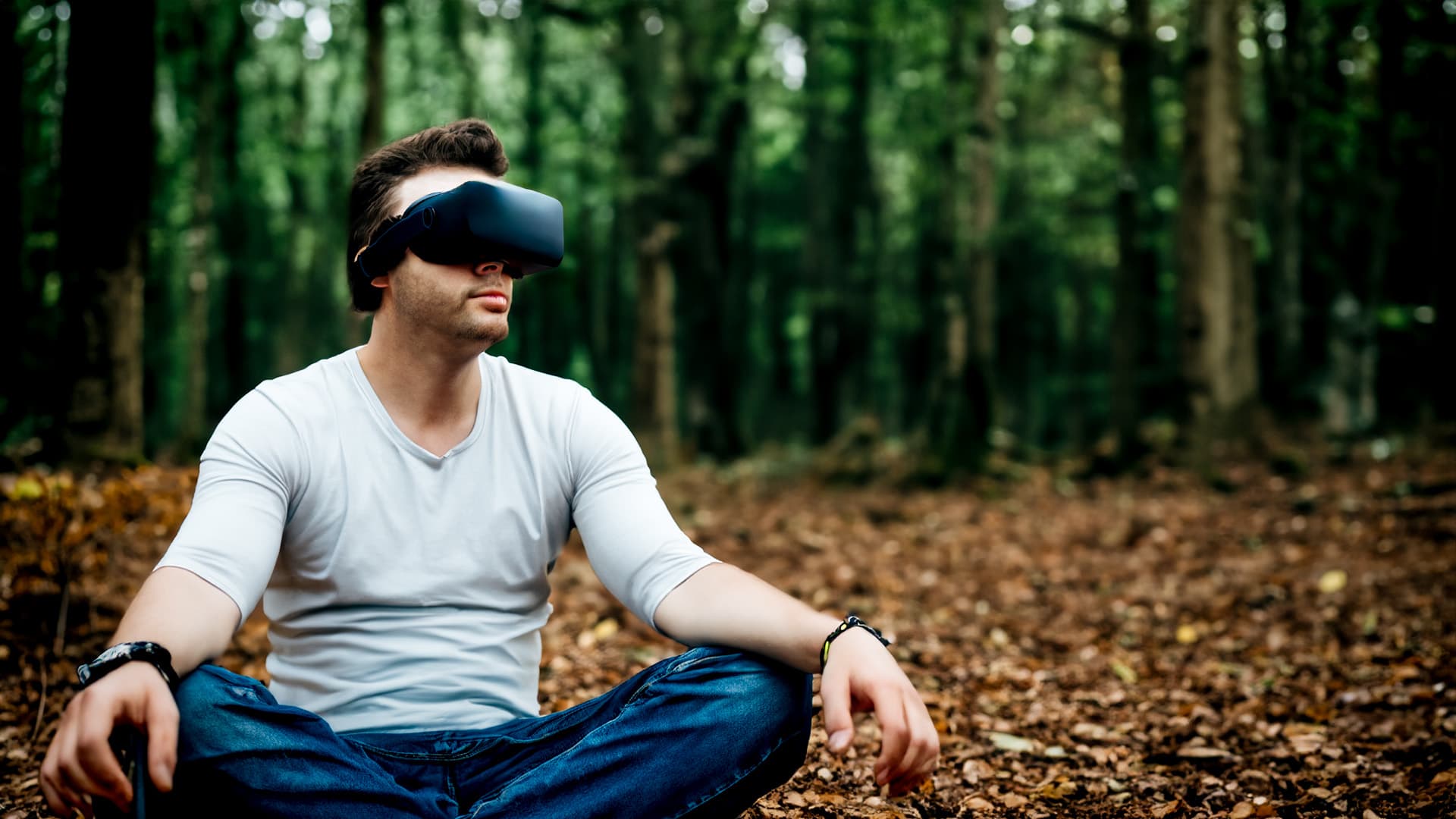
Transform Your Mind with VR Headset Meditation Experience
In the contemporary whirlwind of life, where the pursuit of tranquility is often overshadowed by ceaseless distractions, the ancient practice of...
In the contemporary whirlwind of life, where the pursuit of tranquility is often overshadowed by ceaseless distractions, the ancient practice of meditation has found an unlikely ally in modern technology. Virtual Reality (VR), once the domain of gamers and tech enthusiasts, has now ventured into the serene world of mindfulness. This union of mindfulness and immersive technology marks a profound evolution in how we perceive and engage with meditation, offering a new dimension where the mind can explore uncharted realms of calm and focus. As VR technology advances, its potential to transform the meditation experience is becoming increasingly evident, inviting practitioners old and new to step into a world where the boundaries between the mind and virtual landscapes blur, fostering deeper states of awareness and peace.
The Rise of VR in Wellness Practices
Why Virtual Reality is Changing the Way We Meditate
Virtual Reality is not merely a tool for entertainment; it has rapidly emerged as a transformative medium in the wellness industry. The immersive nature of VR allows for an unprecedented level of focus and presence, transporting users to tranquil environments far removed from their physical surroundings. By wearing a VR headset, one can escape the cluttered space of daily life and enter a realm specifically designed to enhance mindfulness. The ability to engage fully with these environments makes VR a powerful tool in meditation, providing an experience that is both deeply personal and universally accessible. As a result, Virtual Reality is not just changing how we meditate; it is redefining the very concept of what meditation can be in the digital age.
The Science Behind VR and Mindfulness
At the intersection of neuroscience and technology lies the intriguing relationship between Virtual Reality and mindfulness. Studies have shown that VR can effectively engage the brain's neuroplasticity, facilitating the development of new neural pathways that support mindfulness and relaxation. The brain's ability to adapt to virtual environments as if they were real allows users to achieve meditative states more quickly and with greater intensity. The immersive nature of VR triggers a heightened sense of presence, a key component in effective meditation, which can lead to a deeper connection with one's inner self. This scientifically backed synergy between VR and mindfulness suggests that Virtual Reality could become a cornerstone in the evolution of meditative practices.
How VR Headset Meditation is Different from Traditional Methods
Traditional meditation often requires years of practice to achieve deep states of mindfulness, largely because of the difficulty in quieting the mind and maintaining focus. VR headset meditation, however, offers a shortcut to these states by immersing the practitioner in a controlled, distraction-free environment. Unlike traditional methods that rely on the practitioner's ability to create a mental space for meditation, VR provides that space instantaneously. The guided experiences available through VR can also offer real-time feedback and adjust to the user’s needs, making the practice more personalized and adaptive. This immediacy and adaptability distinguish VR meditation from its traditional counterparts, offering a new way to explore and deepen mindfulness practices.
The Benefits of VR Headset Meditation
Enhanced Focus and Immersion in Meditation
One of the most significant benefits of VR headset meditation is the enhanced focus it provides. In a world filled with constant interruptions, achieving a state of deep focus is often the most challenging aspect of meditation. VR helps eliminate external distractions by immersing the user in a carefully curated environment that is conducive to relaxation and concentration. The visual and auditory stimuli in these virtual spaces are designed to guide the user into a meditative state, making it easier to maintain focus and achieve a sense of immersion. This level of focus is often difficult to attain through traditional meditation, making VR a valuable tool for both beginners and seasoned practitioners.
Reducing Stress and Anxiety through Virtual Environments
The therapeutic potential of VR meditation lies in its ability to create environments that are specifically designed to reduce stress and anxiety. These virtual worlds can mimic serene landscapes, tranquil seascapes, or even abstract, calming patterns that promote relaxation. The controlled nature of these environments allows users to escape from the stressors of their daily lives and enter a space where they can focus solely on their well-being. The impact of this immersive relaxation can be profound, helping to lower cortisol levels and reduce the physical and psychological symptoms of stress and anxiety. VR meditation thus offers a unique and effective approach to managing mental health.
Unlocking New Levels of Mindfulness with VR
Mindfulness is the practice of being fully present in the moment, a state that can be difficult to achieve in our distraction-filled world. VR meditation helps unlock new levels of mindfulness by fully engaging the senses and focusing the mind on the present experience. The immersive nature of VR allows users to become completely absorbed in the moment, free from the distractions of their physical environment. This heightened sense of presence can lead to deeper and more meaningful meditative experiences, helping users to cultivate a stronger sense of mindfulness in their daily lives. Through VR, practitioners can explore new depths of awareness and connect more profoundly with their inner selves.
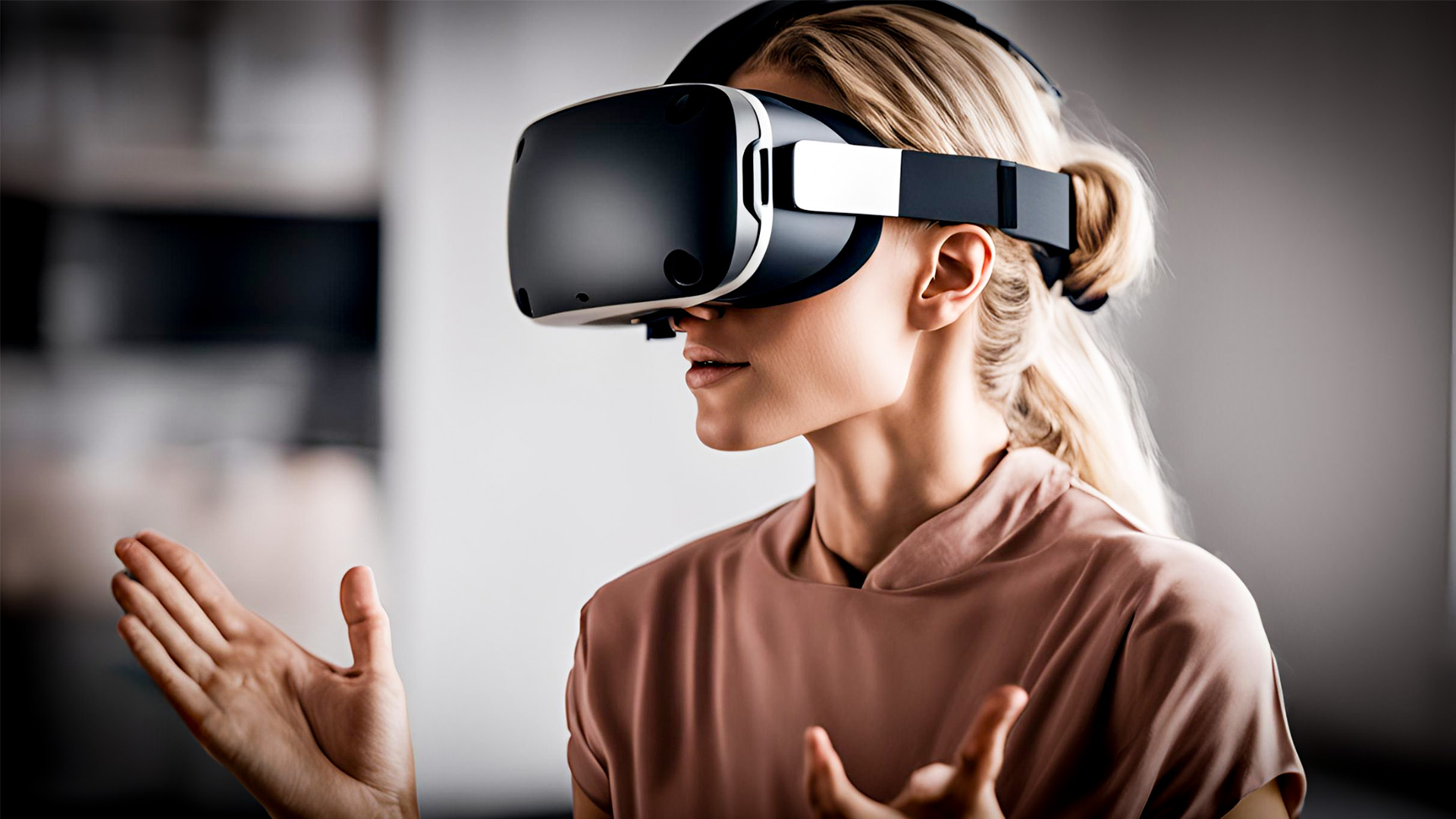
Setting Up Your VR Headset for Meditation
Choosing the Right VR Headset for a Seamless Experience
Selecting the appropriate VR headset is crucial for an optimal meditation experience. Factors such as comfort, display quality, and audio capabilities should be considered when making your choice. A comfortable fit ensures that the headset can be worn for extended periods without discomfort, which is essential for maintaining focus during meditation. High-resolution displays provide clear, immersive visuals that enhance the experience, while quality audio features can help create a serene soundscape. Whether you opt for a high-end model with advanced features or a more affordable option, choosing the right VR headset will set the foundation for a seamless and enjoyable meditation journey.
Top VR Meditation Apps to Get You Started
With the growing popularity of VR meditation, a variety of apps have emerged to cater to different needs and preferences. Some of the top-rated VR meditation apps include "Guided Meditation VR," which offers a wide range of environments and customizable sessions, and "TRIPP," which uses interactive visuals and sound to guide users through transformative meditation experiences. "Relax VR" transports users to breathtaking natural landscapes, providing a sense of escapism and tranquility. These apps offer a blend of guided meditations and freeform exploration, allowing users to choose the style that best suits their meditation practice. Starting with one of these top apps can help you get the most out of your VR meditation experience.
Tips for Creating the Perfect Meditation Space with VR
Creating the ideal meditation space in VR goes beyond just the visuals; it involves setting up an environment that supports relaxation and focus. Start by choosing a physical space where you can meditate without interruptions. Make sure your VR headset is fully charged and that you have comfortable seating, such as a meditation cushion or chair. Dim the lights or use a soft, ambient light to enhance the virtual environment. Finally, take a few moments to center yourself before putting on the headset, setting an intention for your session. These small steps can help you create a perfect meditation space that enhances the immersive experience of VR.
Experiencing the Journey: What to Expect
Guided Meditations vs. Freeform Exploration in VR
When meditating with VR, users can choose between guided meditations and freeform exploration. Guided meditations are structured experiences where a virtual guide leads you through a session, often focusing on specific themes such as relaxation, stress relief, or mindfulness. These sessions are ideal for beginners or those looking for direction in their practice. On the other hand, freeform exploration allows users to navigate virtual environments at their own pace, creating a more personalized and intuitive experience. This approach is particularly beneficial for advanced practitioners who wish to explore their inner landscapes without predefined boundaries. Both options offer unique benefits, and users can alternate between them to enrich their VR meditation practice.
Exploring Different VR Meditation Environments
One of the most exciting aspects of VR meditation is the ability to explore a wide variety of environments. Whether it's a serene beach at sunset, a peaceful forest clearing, or a minimalist zen garden, these virtual settings are designed to evoke calm and focus. Each environment offers a different ambiance, allowing users to select the one that best suits their mood and meditation goals. Some apps even offer abstract environments that are not tied to any physical place, providing a unique sensory experience. By exploring these different environments, users can discover which settings resonate most with their practice, enhancing their overall meditation experience.
Personalizing Your VR Meditation Experience
Personalization is a key aspect of VR meditation, allowing users to tailor their experience to their individual needs. Many VR meditation apps offer customizable features such as session length, background music, and visual themes. Users can choose the elements that best support their meditation goals, whether it's deep relaxation, stress relief, or spiritual growth. Additionally, some apps allow users to track their progress over time, providing insights into how their practice is evolving. By personalizing their VR meditation experience, users can create a practice that is uniquely theirs, fostering a deeper connection with their inner self and enhancing the overall effectiveness of their meditation.
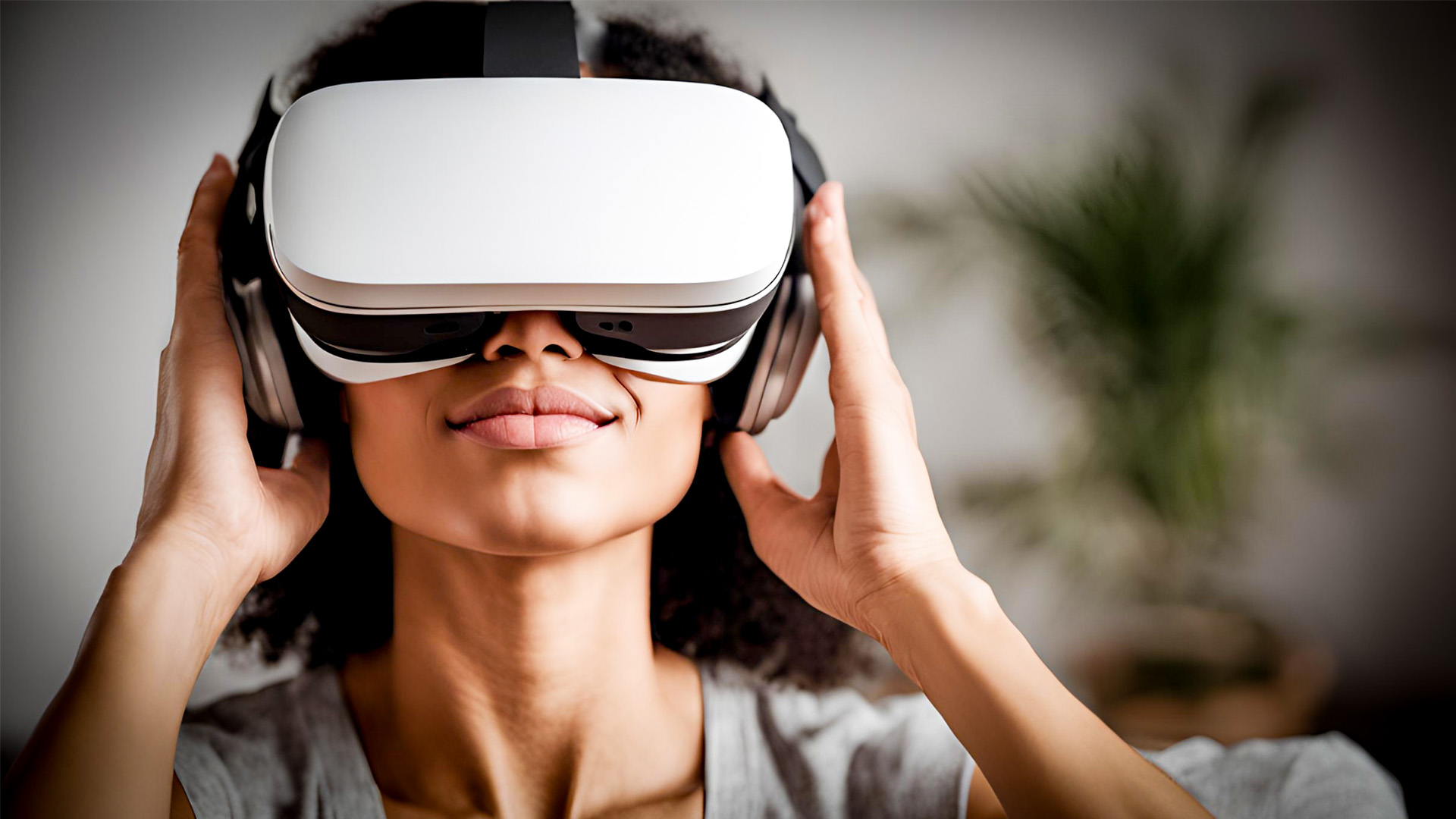
Overcoming Challenges in VR Meditation
Addressing Motion Sickness and Discomfort
While VR meditation offers numerous benefits, some users may experience motion sickness or discomfort during sessions. This can occur when the brain receives conflicting signals from the eyes and inner ear, leading to a feeling of disorientation. To mitigate this, it's important to choose a VR headset with a high refresh rate and to start with shorter sessions to allow your body to adjust. Ensuring that the headset fits properly and is well-balanced can also help reduce discomfort. Additionally, selecting meditation environments with minimal movement and gentle transitions can lessen the likelihood of motion sickness, making the experience more comfortable and enjoyable.
Staying Grounded: Balancing VR Meditation with Reality
As with any technology, it's essential to balance VR meditation with real-world mindfulness practices. While VR can offer a deeply immersive experience, it's important to stay grounded and maintain a connection with the physical world. Incorporating traditional meditation techniques, such as breath awareness and body scanning, into your VR sessions can help bridge the gap between virtual and real-world mindfulness. Additionally, taking time to meditate without the headset, focusing on your physical surroundings, can ensure that your practice remains well-rounded and holistic. By balancing VR meditation with reality, you can create a practice that enhances both your virtual and physical mindfulness experiences.
Maintaining Consistency in Your VR Meditation Practice
Consistency is key to reaping the full benefits of meditation, whether in VR or traditional forms. Establishing a regular practice schedule can help integrate meditation into your daily routine, making it a habit rather than an occasional activity. Setting reminders or creating a designated meditation time each day can reinforce this habit. Additionally, exploring different VR environments and session types can keep your practice fresh and engaging, preventing monotony. Consistent practice, combined with the immersive power of VR, can lead to significant improvements in mindfulness, emotional well-being, and overall mental health.
The Future of VR Meditation: What’s Next?
Emerging Trends in VR Wellness Technologies
The future of VR meditation is promising, with emerging trends poised to revolutionize the wellness industry. One such trend is the integration of biofeedback into VR experiences, where sensors monitor physiological responses such as heart rate and breathing, providing real-time feedback to enhance meditation sessions. Another trend is the development of social VR meditation platforms, allowing users to meditate together in virtual spaces, fostering a sense of community and shared purpose. These advancements suggest that VR meditation will continue to evolve, offering even more sophisticated and personalized experiences in the years to come.
How AI is Enhancing the VR Meditation Experience
Artificial Intelligence (AI) is set to play a pivotal role in the future of VR meditation. AI-driven algorithms can analyze user data to personalize meditation sessions, adjusting the environment, guidance, and duration based on the user's needs and progress. This level of personalization ensures that each session is tailored to optimize the user’s experience, making meditation more effective and accessible. Additionally, AI can create dynamic environments that evolve in response to the user’s mental state, offering a truly interactive and adaptive meditation experience. As AI continues to advance, it will further enhance the capabilities of VR meditation, bringing us closer to a fully customized wellness experience.
The Growing Community of VR Meditation Practitioners
As VR meditation becomes more popular, a growing community of practitioners is emerging, sharing experiences and insights across various platforms. Online forums, social media groups, and virtual meetups provide spaces for users to connect, exchange tips, and support one another in their meditation journeys. This sense of community can be particularly valuable for those who may feel isolated in their practice or who are new to meditation. By joining this burgeoning community, practitioners can find encouragement, inspiration, and a sense of belonging, all of which can enrich their VR meditation experience.
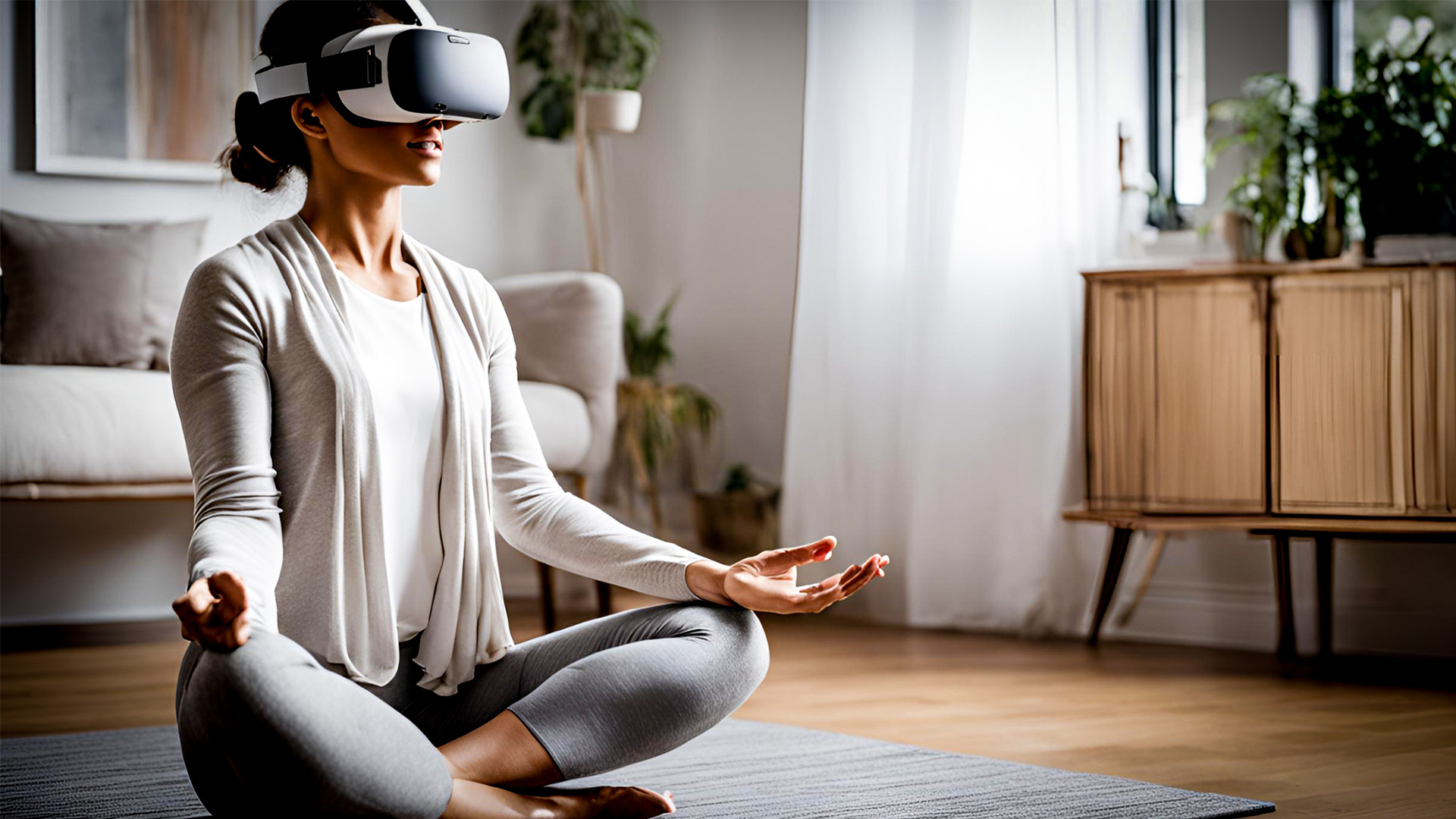
Embrace the Future of Mindfulness
Why Now is the Best Time to Start VR Headset Meditation
The convergence of advanced technology and mindfulness practices has created an unprecedented opportunity for personal growth and mental well-being. With the increasing accessibility of VR headsets and the expanding range of meditation apps, there has never been a better time to explore VR meditation. Whether you are a seasoned meditator looking to deepen your practice or a beginner seeking a guided entry into mindfulness, VR offers a versatile and powerful tool. Embracing this innovative approach now can lead to profound transformations in your mental landscape.
Reflecting on the Personal Growth from VR Meditation
The journey of VR meditation is one of continual personal growth. By immersing yourself in tailored, calming environments and guided experiences, you have the potential to unlock new aspects of your consciousness and deepen your understanding of yourself. Over time, consistent practice can lead to significant improvements in emotional regulation, stress management, and overall mental clarity. Reflecting on these changes can provide motivation to continue your practice, as well as a deeper appreciation for the transformative power of VR meditation.
Encouraging a Balanced Approach to Technology and Mindfulness
While VR meditation offers numerous benefits, it is essential to maintain a balanced approach that integrates technology with traditional mindfulness practices. Technology should enhance, not replace, our connection with the present moment. By combining the immersive capabilities of VR with the timeless principles of meditation, you can create a well-rounded practice that supports your mental and emotional well-being. Embrace the future of mindfulness with an open mind, but always remember to stay grounded in the reality of your own inner experience.
Author: Elisha Roodt
South Africa's leading VR rental specialists, delivering high-impact immersive experiences for corporate events, trade shows, and brand activations nationwide.