
VR Event Rentals in 2026: Why Easy, High-Impact Experiences Are Winning
Virtual reality event rentals are evolving in 2026 as brands focus on accessible, well-managed and memorable immersive experiences that create genuine attendee engagement.
VR Event Rentals in 2026: Why Easy, High-Impact Experiences Are Winning
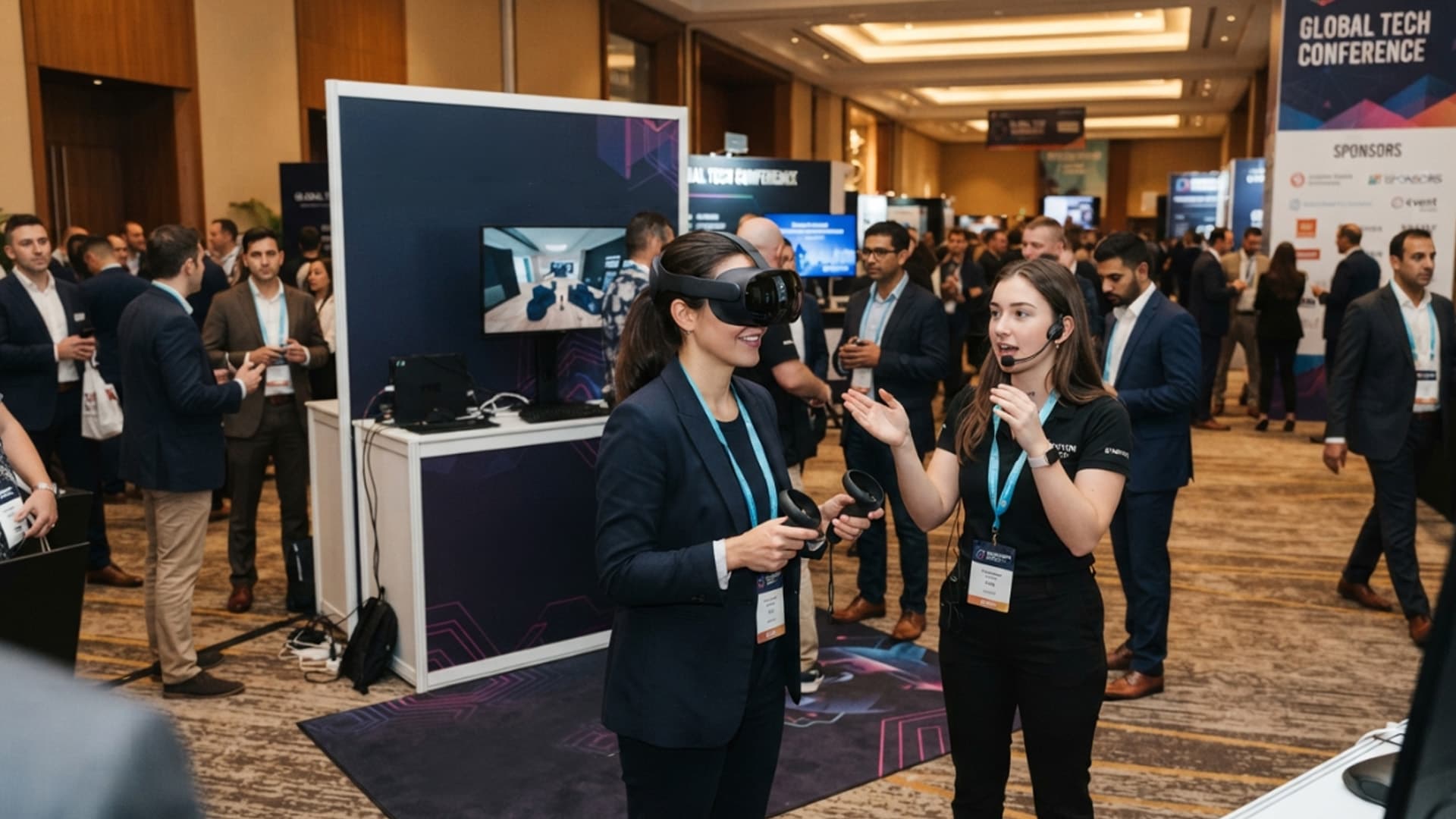
Virtual reality is becoming a more familiar sight at exhibitions, conferences, product launches, shopping-centre activations and corporate functions. For many guests, the first question is no longer simply what a VR headset is. The question is whether the experience is worth their time.
That change is important for brands and event organisers. A VR activation can still attract attention, but a headset on its own is not enough to create a successful event experience. People expect something that is easy to join, enjoyable to use and connected to the reason they are attending the event in the first place.
In 2026, the strongest VR event rentals are built around simple, high-impact interactions. They use the technology to help people explore a place, understand a product, take part in a challenge or experience a story that would be difficult to recreate in the physical venue. The goal is not to make every activation look futuristic. It is to make the event more engaging, more memorable and easier for people to talk about afterwards.
For businesses planning an activation, renting VR equipment remains one of the most practical ways to bring immersive technology into an event. It avoids the cost and complexity of purchasing hardware for a once-off campaign, while giving organisers access to the headsets, setup support and operational planning needed for a smooth experience.
The Shift From Headset Novelty to Event Value
There was a time when simply placing a VR headset at an event could create a queue. The technology was new, and guests were curious to see what it felt like. That curiosity is still useful, especially for audiences who have not tried VR before, but event visitors are now more selective about how they spend their time.
A good VR activation needs a clear reason to exist. It may help a customer explore a new vehicle, walk through a future property, experience a destination, practise a skill or take part in a branded game. Whatever the format, the experience should support the message of the event rather than feel like a separate attraction.
This is why event teams are increasingly focused on relevance. A short, well-designed VR experience that connects directly to a product or campaign can be more effective than a longer experience with impressive visuals but no clear purpose. Guests should be able to understand what they are about to do, enjoy the activity and leave with a stronger connection to the brand or idea behind it.
Short Sessions Often Create Better Flow
At public events, time matters. Visitors may be moving between stands, attending sessions, meeting people or waiting for friends and colleagues. A VR experience that takes too long can create queues, make staff management difficult and discourage people from participating.
For many activations, a session of three to seven minutes is enough to create impact. This gives guests time to settle into the headset, understand the experience and reach a satisfying finish without holding up the next participant. Shorter sessions also make it easier to reset equipment, clean headsets and guide new users through the process.
This does not mean every VR experience needs to be brief. Corporate training, private demonstrations and scheduled group sessions can support longer formats. The key is matching the session length to the environment. A busy exhibition floor needs a different approach from a boardroom presentation or a team-building event.
The Best Activations Are Easy to Explain
A visitor should not need a long technical explanation before trying VR. The invitation should be clear: explore this destination, test this skill, enter this product world or complete this challenge. Event staff can then provide a short introduction, help fit the headset and guide the guest through any controls they need.
Simple onboarding is particularly important for mixed audiences. Some guests may use VR regularly, while others may be trying it for the first time. A good rental setup makes both groups feel comfortable by using clear instructions, intuitive controls and staff support that is available without being intrusive.
Why VR Rental Is a Practical Choice for Events
Buying VR equipment can make sense for organisations that use it frequently for training, sales or internal collaboration. For a once-off activation, roadshow or seasonal campaign, rental is often the more practical option. It gives organisers access to suitable hardware without needing to manage long-term storage, maintenance, updates and device replacement.
A rental approach also makes it easier to choose equipment based on the event itself. A small corporate function may need only a few standalone headsets. A larger exhibition could need several stations, staff support, display screens and a system for managing queues. A branded activation may require custom content, a physical set and a clear handover process between participants.
The planning process should begin with the event objective, expected audience size and available space. These details help determine how many headsets are needed, whether users will be seated or standing, how long each session should be and what level of support will be required on site.
Equipment Is Only One Part of the Setup
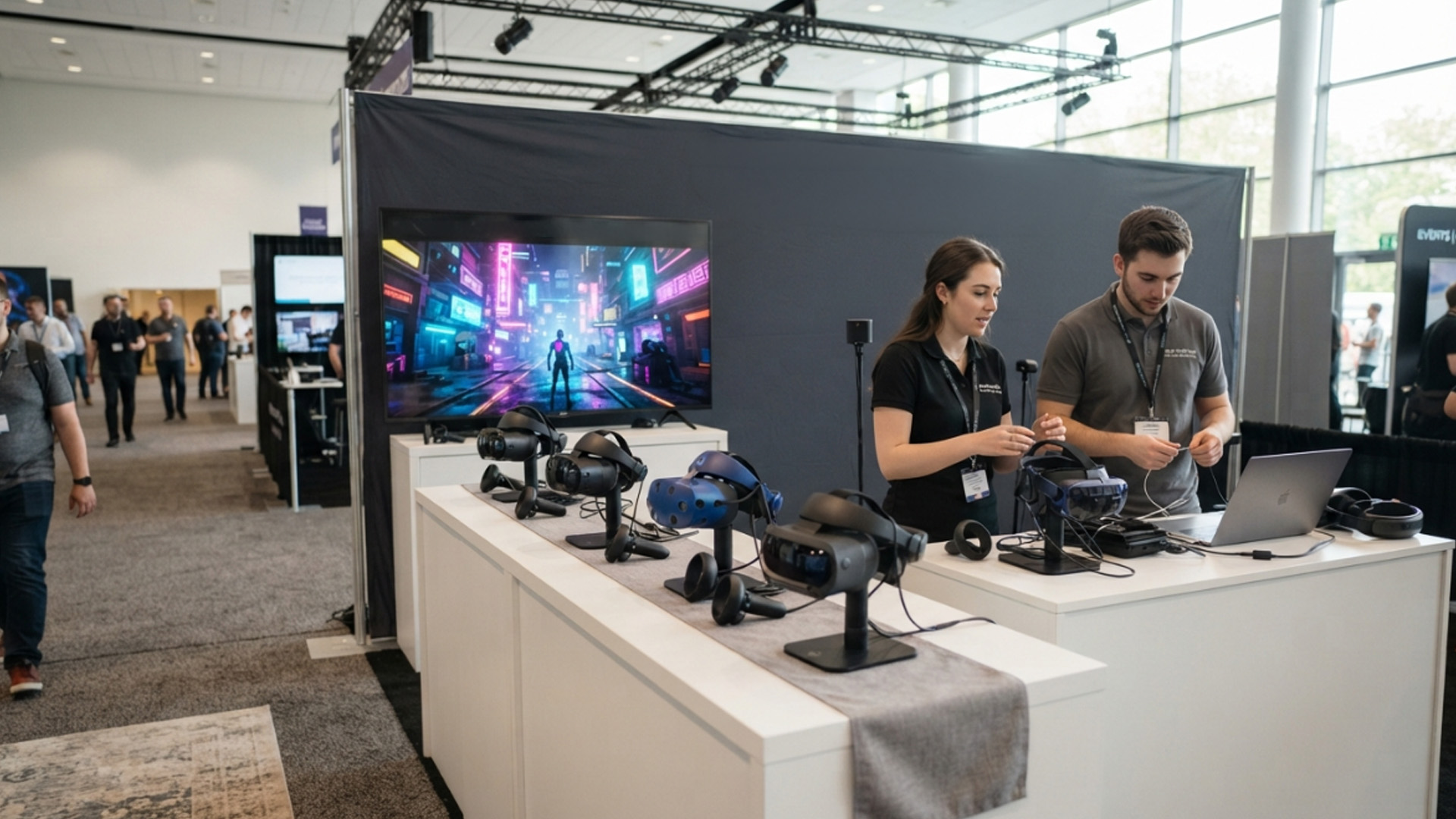
A successful VR event rental includes more than the headset. The physical environment matters just as much. Guests need a safe area to move, event staff need enough room to assist participants and the activation should be visible enough to attract interest without blocking the flow of the venue.
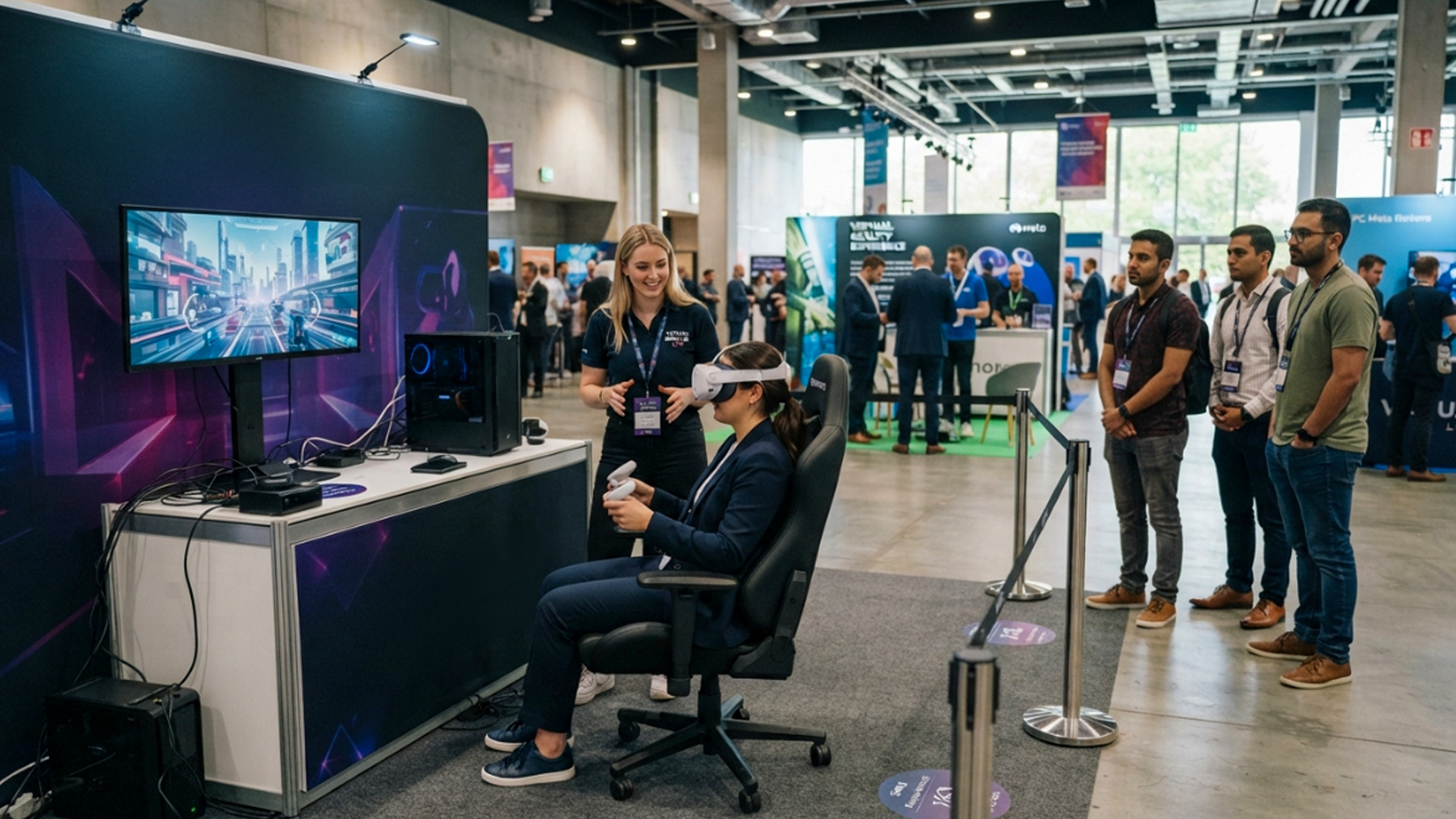
For seated experiences, organisers need comfortable chairs, clear space around each participant and a way to manage people waiting nearby. For standing experiences, the setup needs defined boundaries and staff who can make sure guests remain comfortable and safe. If the experience uses hand controllers or physical movement, the floor area needs to be planned carefully.
Display screens can also improve the activation. They allow people waiting in line to see what is happening inside the headset, which makes the experience feel more social and encourages participation. A screen can show a live view of the virtual environment, a branded introduction or a short explanation of the activity.
On-Site Support Makes a Noticeable Difference
VR equipment is straightforward when it is prepared properly, but events are busy environments. Batteries need to be charged, headsets need to be cleaned, content needs to be launched correctly and guests may need help with fitting or controls. On-site support helps keep the activation moving and allows the event team to focus on visitors rather than technical issues.
Support staff can also improve the guest experience. A friendly guide can explain what to expect, help nervous first-time users feel comfortable and make sure each participant has a clear finish to the session. This is especially valuable for large public activations where many people may be using VR for the first time.
VR Experiences That Work Well at Live Events
The right VR experience depends on the audience and the event goal. A product launch may need a detailed demonstration. A tourism activation may need a virtual journey through a destination. A conference may use VR as an engaging break activity, while a corporate event may use it for team challenges or training.
One of the most effective formats is the virtual tour. It allows guests to explore a location, property, showroom, venue or destination in a way that feels more personal than a brochure or video. Visitors can look around at their own pace and focus on the details that interest them most.
Interactive games are another strong option, particularly for events that need energy and friendly competition. A short game can encourage people to participate, create a visible crowd around the activation and give brands an easy way to connect the experience to prizes, leaderboards or social content.
Product Demonstrations That Let People Explore
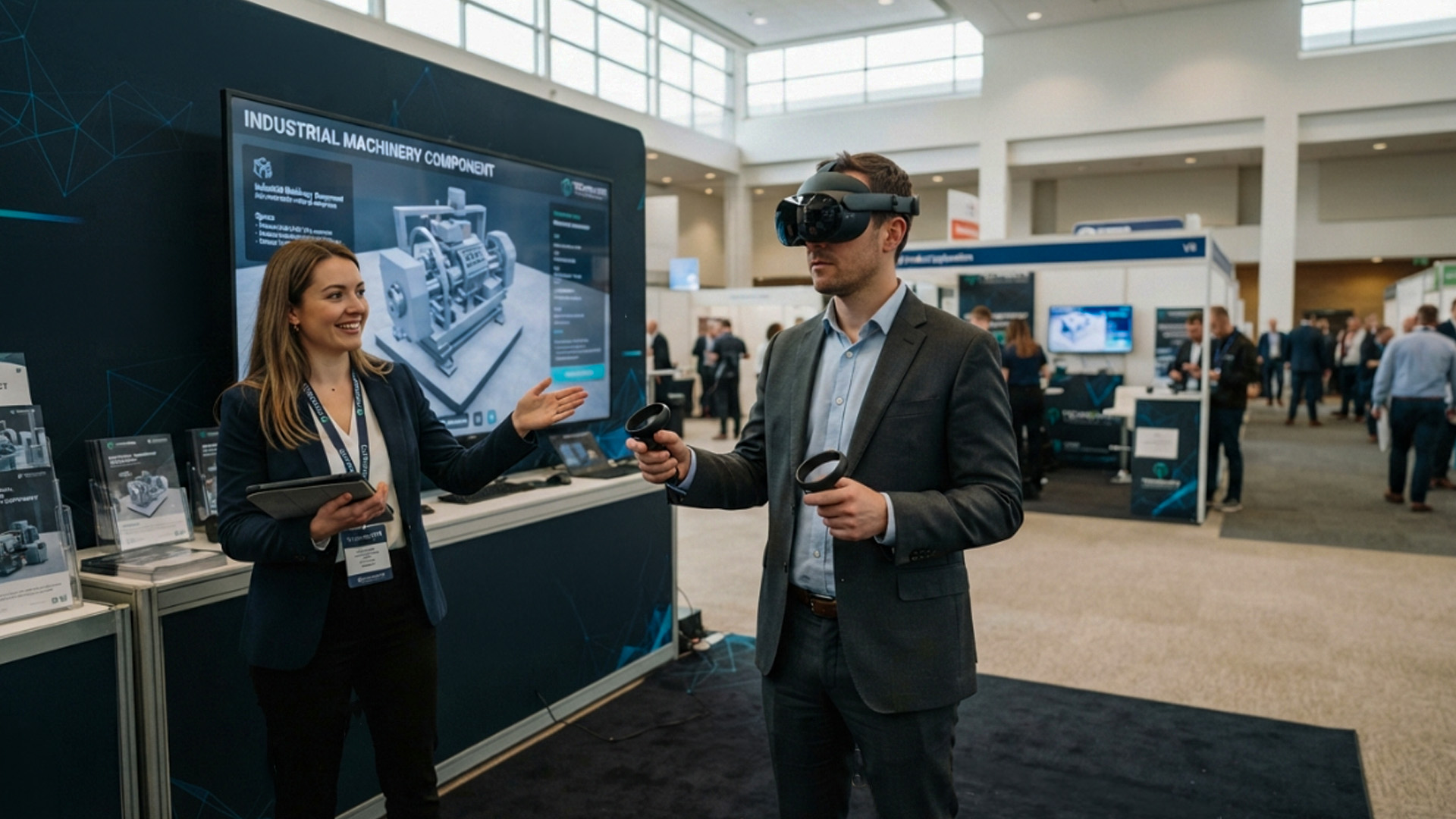
Some products are difficult to bring to an event. They may be too large, still in development, located in another city or expensive to transport. VR can make these products easier to demonstrate by placing guests inside a realistic digital environment where they can inspect features and understand scale.
Automotive brands can use VR to let visitors explore a vehicle interior or experience a driving environment. Property developers can show future apartments, offices or mixed-use spaces before construction is complete. Manufacturers can present equipment or facilities that would not fit on an exhibition floor.
The value is not only visual. VR gives sales teams a better starting point for conversation. Instead of describing a feature, they can ask the guest what they noticed, what they explored or what they would like to see next. This can make the interaction more useful and more memorable.
Team Building and Corporate Entertainment
VR can also work well for corporate functions, staff days and team-building sessions. Multiplayer experiences give colleagues a chance to solve problems, compete or collaborate in a different environment. These activities can create energy without requiring a large physical footprint or complex equipment.
The best team experiences are inclusive and easy to understand. Not everyone will be comfortable with fast-paced games or intense movement, so it is useful to offer formats that allow different people to participate. A mix of active challenges, seated experiences and spectator-friendly screens can make the activation feel more welcoming.
For companies, the benefit is often social rather than technical. VR creates a shared moment that people can discuss, laugh about and remember after the event. When it is planned well, it can help break the ice between teams and create a more relaxed atmosphere.
Making VR Events Comfortable and Inclusive
Comfort should be part of every VR event plan. Not every guest will want to wear a headset for the same amount of time, and some people may need more guidance than others. The activation should feel welcoming rather than intimidating, especially when it is aimed at a broad public audience.
Short sessions, clear instructions and a calm setup can make a major difference. Guests should know whether they will be seated or standing, whether they will use controllers and how long the experience will last. Staff should be ready to assist with headset fitting and to stop the experience quickly if someone feels uncomfortable.
It is also helpful to provide an alternative way to engage. A large display screen, tablet preview or guided video can allow people who do not want to wear a headset to understand the experience and still take part in the wider activation.
Hygiene and Headset Management
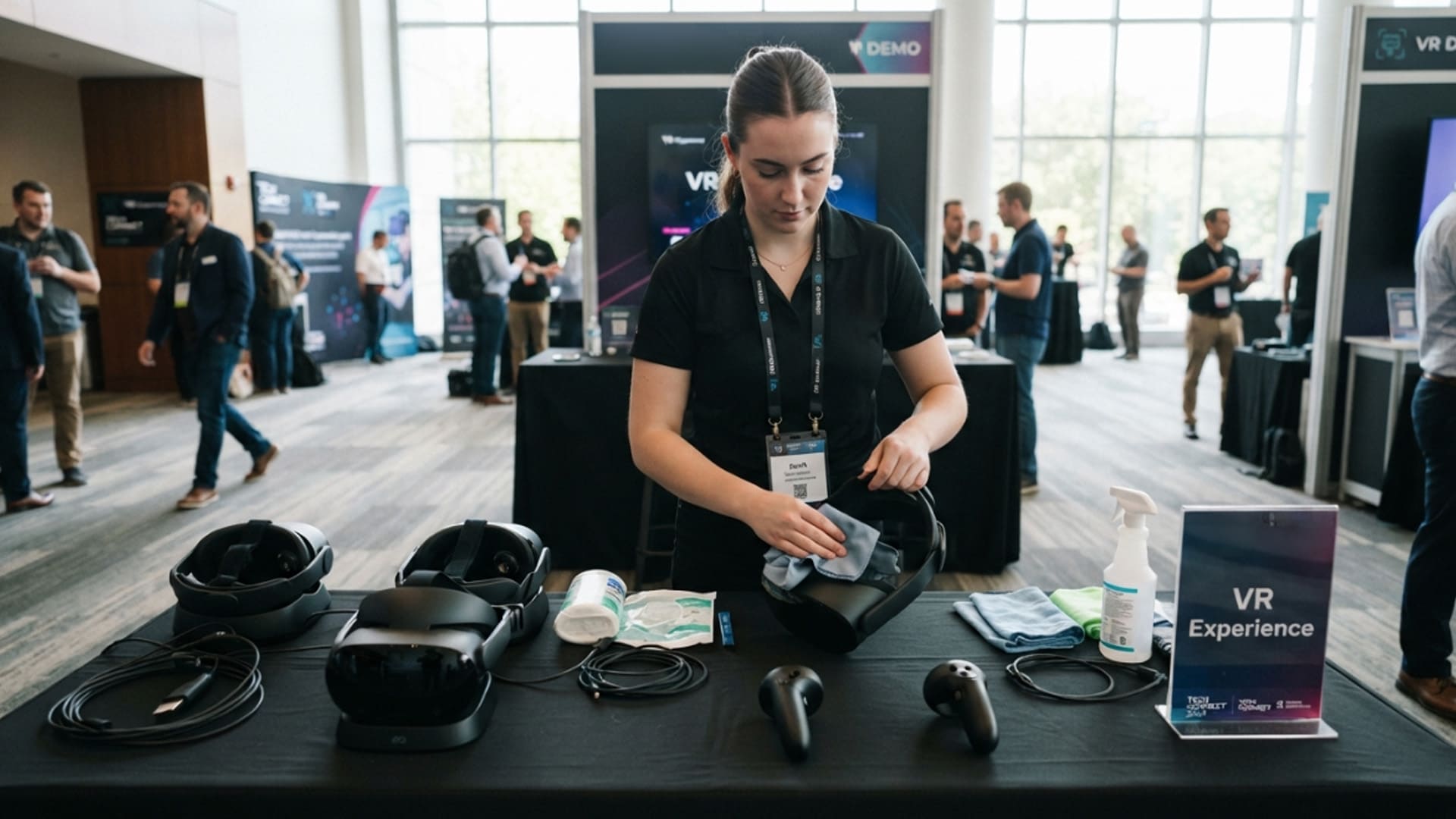
Headset hygiene is an important operational detail at public events. Equipment should be cleaned between users, and the process should be visible enough to reassure guests that the activation is being managed professionally. Disposable face covers or wipeable headset interfaces can help depending on the hardware and event format.
Battery management also needs attention. A headset that runs out of power in the middle of a busy session can interrupt the guest experience and slow down the queue. Rental teams should plan charging cycles, spare equipment and content checks before the event opens.
These details may not be the most visible part of a VR activation, but they strongly influence how professional the experience feels. When equipment is clean, charged and ready, guests can focus on the activity rather than the technology behind it.
Accessibility Needs to Be Considered Early
Accessibility is not something to add at the end of an event plan. The experience should be considered from the beginning for people with different mobility, sensory and comfort needs. Seated options, clear staff assistance, accessible physical layouts and alternative viewing formats can help make the activation available to more guests.
A well-planned event does not assume that every person will interact in the same way. It gives people choices. Some may want the full headset experience, while others may prefer to watch, ask questions or use a different format. This approach makes the event more inclusive and often improves the overall atmosphere around the activation.
Measuring the Value of a VR Activation
A VR event should be measured against the purpose it was designed to serve. If the goal is brand awareness, organisers may look at participation numbers, queue length, dwell time and social sharing. If the goal is lead generation, the focus may be on qualified conversations, registrations or follow-up meetings. For product demonstrations, teams may track the features people explored and the questions they asked afterwards.
It is useful to decide on these measures before the event begins. This helps shape the activation itself. For example, if lead capture is important, the experience needs a natural point where guests can choose to share their details or speak with a staff member. If the goal is social engagement, the activation may need a visible screen, photo moment or leaderboard that encourages people to watch and share.
The data should always be collected transparently and respectfully. Guests should understand what information is being requested and why. The most valuable event data is not simply a long list of names. It is information that helps a brand understand whether the experience created genuine interest and meaningful engagement.
Planning for What Happens After the Headset
The moment a guest removes the headset is often where the real event value begins. They may be excited, curious or ready to ask questions. Event staff should have a clear next step, whether that is a product conversation, a demonstration, a prize entry, a brochure, a booking opportunity or a simple invitation to share feedback.
Without this follow-up, even a strong VR experience can become disconnected from the wider event. With it, the activation becomes part of a complete visitor journey. The headset creates attention, and the follow-up turns that attention into a useful conversation.
VR event rentals are becoming more effective because brands are focusing on the complete experience: the invitation, the setup, the session, the staff support and the interaction afterwards. In 2026, the technology works best when it feels easy for guests and useful for the event itself.
Author: Elisha Roodt
South Africa's leading VR rental specialists, delivering high-impact immersive experiences for corporate events, trade shows, and brand activations nationwide.